
Product Overview
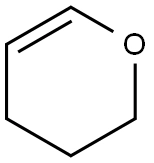
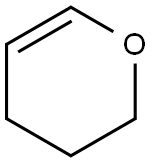
3,4-Dihydro-2H-pyran (CAS 110-87-2), commonly known as DHP, is an important heterocyclic organic compound widely used as a protecting reagent in organic synthesis. Its molecular formula is C₅H₈O, and its molecular weight is 84.12 g/mol. It is generally supplied as a clear, colorless to light yellow liquid, with a boiling point of approximately 86°C.
One of its most important applications is the protection of hydroxyl groups in organic compounds. In the presence of a suitable acid catalyst, 3,4-Dihydro-2H-pyran reacts with alcohols to form tetrahydropyranyl (THP) ethers. This transformation helps protect hydroxyl groups from unwanted reactions during subsequent synthetic steps. The THP protecting group can later be removed under appropriate acidic conditions, allowing the original hydroxyl functionality to be restored.
Due to this useful reaction behavior, DHP is widely applied in multi-step organic synthesis, pharmaceutical intermediate preparation, fine chemical development, and heterocyclic compound research. It is also used in the preparation of various tetrahydropyranyl derivatives and other specialized organic compounds. Its performance depends on reagent purity, reaction conditions, catalyst selection, and the characteristics of the substrate.
Safety and Storage
3,4-Dihydro-2H-pyran is a highly flammable liquid and should be handled with appropriate precautions. Supplier safety documentation identifies potential hazards including skin irritation, serious eye irritation, and respiratory irritation. Its low flash point means that vapors can ignite readily when exposed to heat, sparks, flames, or other ignition sources. Use the material only in a properly equipped laboratory or industrial environment with adequate ventilation and suitable fire-protection measures.
Wear appropriate personal protective equipment, including chemical-resistant gloves, safety goggles, and protective clothing. Avoid breathing vapors and prevent direct contact with skin and eyes. Use local exhaust ventilation or a suitable fume hood when transferring, measuring, or dispensing the liquid. Keep away from smoking, open flames, hot surfaces, and equipment that may generate sparks. Ground and bond containers and receiving equipment during bulk transfer where appropriate to reduce static discharge risks.
3,4-Dihydro-2H-pyran Chemical Properties
Melting point | -70 °C (lit.) |
Boiling point | 86 °C (lit.) |
density | 0.922 g/mL at 25 °C (lit.) |
vapor density | 2.9 (vs air) |
vapor pressure | 77.8 hPa (20 °C) |
refractive index | n20/D 1.440(lit.) |
Fp | 4 °F |
storage temp. | Store below +30°C. |
solubility | 7.7g/l |
form | Liquid |
color | Clear colorless to yellow |
PH | 7 (5g/l, H2O, 20℃) |
explosive limit | 1.1-13.8%(V) |
Water Solubility | 20 g/L (20 ºC) |
BRN | 103493 |
Stability: | Volatile |
InChIKey | BUDQDWGNQVEFAC-UHFFFAOYSA-N |
LogP | 0.690 |
CAS DataBase Reference | 110-87-2(CAS DataBase Reference) |
NIST Chemistry Reference | 2H-Pyran, 3,4-dihydro-(110-87-2) |
EPA Substance Registry System | 2H-Pyran, 3,4-dihydro- (110-87-2) |
Safety Information
Hazard Codes | F,Xi |
Risk Statements | 11-36/37/38-36/38-19 |
Safety Statements | 16-26-36-37/39-33-7/9 |
RIDADR | UN 2376 3/PG 2 |
WGK Germany | 3 |
RTECS | UP7700000 |
Autoignition Temperature | 240 °C |
Hazard Note | Highly Flammable/Irritant |
TSCA | Yes |
HazardClass | 3 |
PackingGroup | II |
HS Code | 29329995 |
Toxicity | LD50 orally in Rabbit: > 4000 mg/kg |


