
Product Overview
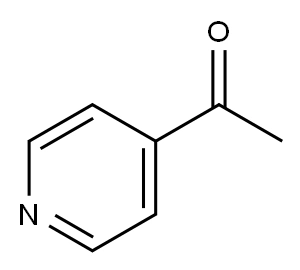
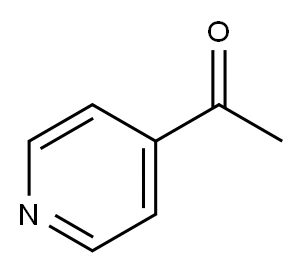
4-Acetylpyridine, also known as methyl 4-pyridyl ketone or 1-(pyridin-4-yl)ethanone, is a nitrogen-containing aromatic organic compound with the molecular formula C₇H₇NO and a molecular weight of 121.14 g/mol. Its molecular structure consists of a pyridine ring substituted with an acetyl group at the fourth position. The combination of an aromatic nitrogen-containing ring and a reactive carbonyl functional group makes it a useful building block in organic synthesis.
4-Acetylpyridine is generally supplied as a colorless to pale yellow or yellow-brown liquid. It has a reported density of approximately 1.09 g/mL and a boiling point of around 212°C. The exact appearance and physical specifications may vary depending on product purity, storage conditions, and supplier specifications.
This compound is primarily used as an organic synthesis intermediate and laboratory chemical. Its ketone functional group can participate in condensation and other carbonyl-related reactions, supporting the preparation of more complex organic molecules. The pyridine ring also provides a useful structural framework for developing functionalized nitrogen-containing compounds. 4-Acetylpyridine is relevant to pharmaceutical intermediate research, heterocyclic chemistry, fine chemical manufacturing, and specialty organic synthesis. Its well-defined structure and versatile reaction characteristics make it a valuable raw material for chemical research and compound development
Safety and Storage
4-Acetylpyridine should be handled in accordance with the supplier's Safety Data Sheet (SDS) and applicable chemical safety regulations. Supplier safety documentation identifies potential hazards including skin irritation, serious eye irritation, and respiratory irritation. Some supplier classifications also identify the possibility of skin sensitization. Avoid direct contact with the substance and prevent inhalation of vapors during handling, transfer, or sampling operations.
Handle the material in a well-ventilated area, preferably under local exhaust ventilation. Wear appropriate personal protective equipment, including chemical-resistant gloves, safety goggles, and protective clothing. Avoid contact with eyes and skin, and do not inhale vapors. Wash hands thoroughly after handling and remove contaminated clothing before reuse. In case of eye contact, rinse cautiously with water for several minutes and seek medical advice if irritation persists. If inhaled, move the affected person to fresh air and obtain medical attention if symptoms develop.
Chemical Properties
Melting point | 13-16 °C(lit.) |
Boiling point | 212 °C(lit.) |
density | 1.095 g/mL at 25 °C(lit.) |
refractive index | n20/D 1.529(lit.) |
Fp | >230 °F |
storage temp. | Inert atmosphere,Room Temperature |
solubility | Chloroform, Ethyl Acetate |
form | Liquid |
pka | pK1: 3.505(+1) (25°C) |
Specific Gravity | 1.110 (20/4℃) |
color | brown-yellowish |
Water Solubility | insoluble |
BRN | 107629 |
InChIKey | WMQUKDQWMMOHSA-UHFFFAOYSA-N |
LogP | 0.480 |
CAS DataBase Reference | 1122-54-9(CAS DataBase Reference) |
NIST Chemistry Reference | Ethanone, 1-(4-pyridinyl)-(1122-54-9) |
EPA Substance Registry System | 4-Acetylpyridine (1122-54-9) |
Safety Information
Hazard Codes | Xi,Xn |
Risk Statements | 36/37/38-36/38-22 |
Safety Statements | 26-36-37/39 |
WGK Germany | 3 |
RTECS | OB5426000 |
F | 8 |
Hazard Note | Irritant |
TSCA | Yes |
HS Code | 29333999 |


