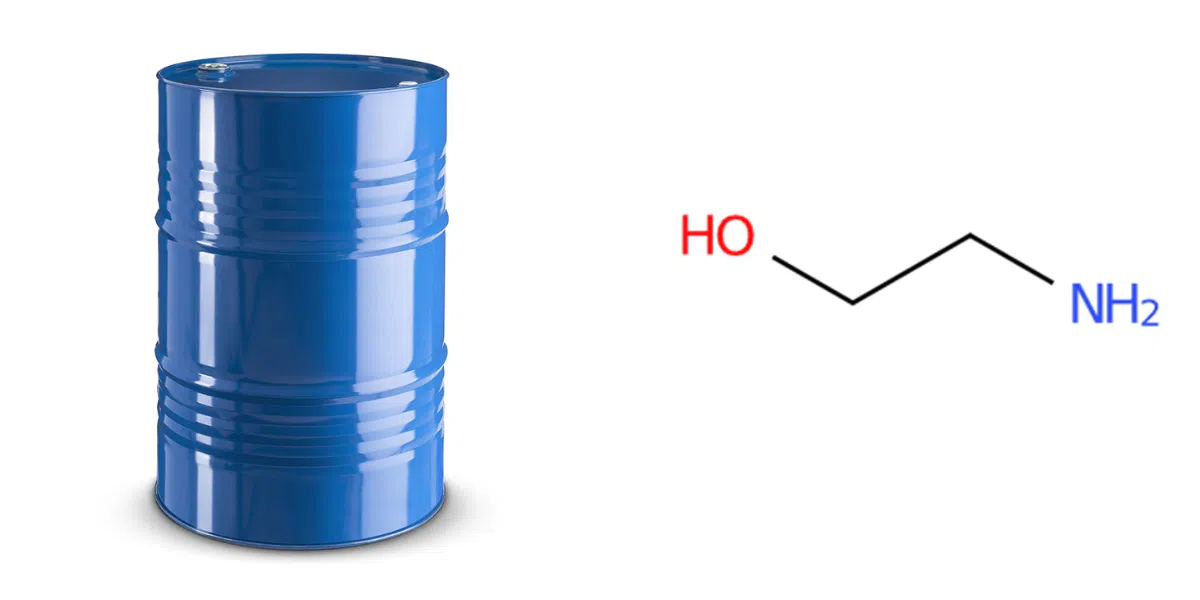
Product Description
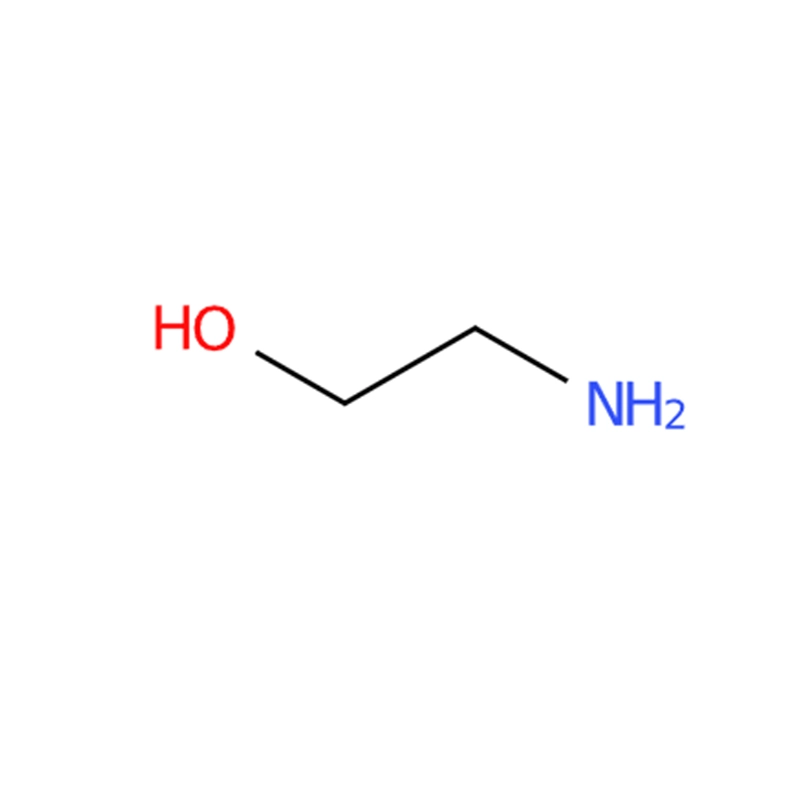
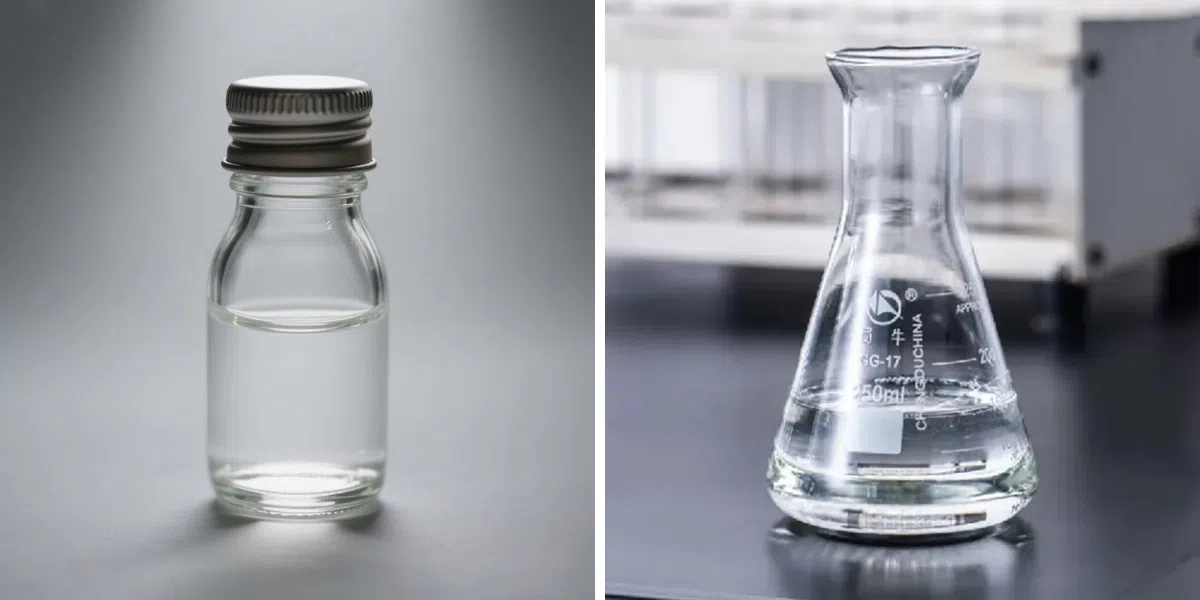
Monoethanolamine (MEA, CAS 141-43-5, 2-aminoethanol) is the simplest ethanolamine, combining a primary amine and a primary alcohol in one molecule. It is a colorless, viscous, hygroscopic liquid with a mild ammonia odor, fully miscible with water and soluble in polar organic solvents. It is one of the most widely used amine intermediates in gas treating, surfactants and industrial formulations.
Key features:
Bifunctional molecule — reactive primary amine and primary alcohol in one.
Fully water miscible, easy to dose and recycle in aqueous systems.
Strong affinity for acidic gases (CO₂, H₂S), the basis of gas sweetening.
High pH and alkalinity, useful in neutralization and pH control.
Good solvent for oils, fats, waxes and many organic compounds.
High-purity grades available for pharma, cosmetics and electronics.
Product Parameters
| Item | Specification |
|---|---|
| Product Name | Monoethanolamine (MEA) |
| CAS No. | 141-43-5 |
| EINECS No. | 205-483-3 |
| Molecular Formula | C₂H₇NO (HOCH₂CH₂NH₂) |
| Molecular Weight | 61.08 |
| Appearance | Colorless, viscous hygroscopic liquid |
| Purity | ≥ 99.0% |
| Density (20 °C) | 1.010 – 1.015 g/cm³ |
| Boiling Point | ~ 171 °C |
| Melting Point | ~ 10.5 °C |
| Flash Point | ~ 93 °C (closed cup) |
| pH (1% aqueous) | ~ 11.5 – 12.0 |
| Water Content | ≤ 0.5% |
| Packaging | 200 kg drum / 1000 kg IBC |
Product Application
Monoethanolamine is a versatile amine-alcohol intermediate whose demand spans gas treatment, detergents, cosmetics, pharmaceuticals and metalworking.
In gas treating and refinery applications, aqueous MEA is the classic solvent for removing CO₂ and H₂S from natural gas, refinery gas and synthesis gas. It is also used in carbon-capture (CCS) pilot and industrial units, where its high reactivity and low solvent cost make it the baseline amine.
In surfactants and detergents, it is the raw material for monoethanolamides (coconut MEA, lauric MEA), ethoxylated amines and amine soaps used in liquid detergents, dishwashing liquids, shampoo and industrial cleaners. It also neutralizes fatty acids and sulfonic acids to produce detergent salts.
In cosmetics and personal care, high-purity MEA is used as a pH adjuster, neutralizer and emulsifier in creams, lotions, hair conditioners and skin-care products.
In other fields, it is used as an intermediate in pharmaceuticals, a corrosion inhibitor in metalworking fluids, a rubber-processing additive, a wood-treatment preservative component, and a solvent in textile and leather finishing.