
Product Overview
4-Acryloylmorpholine, also known as N-Acryloylmorpholine, is a functional acrylamide monomer containing a morpholine ring and a polymerizable acrylate double bond. Its molecular formula is C₇H₁₁NO₂, and its molecular weight is 141.17 g/mol.
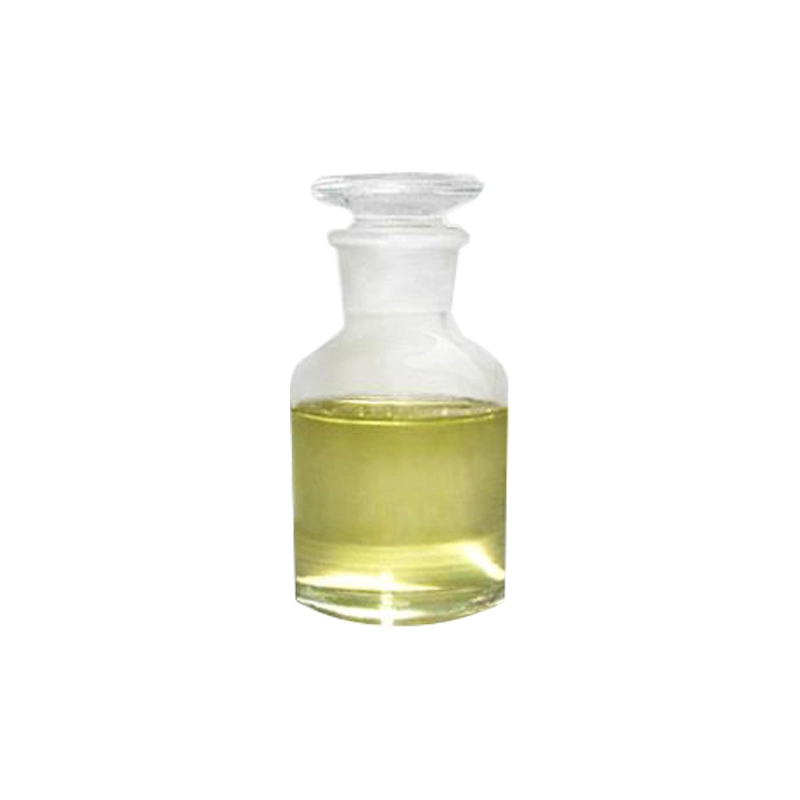
The product is generally supplied as a colorless to pale-yellow transparent liquid. It has good water solubility and contains a reactive carbon-carbon double bond, making it suitable for polymerization and copolymerization processes. Its molecular structure provides useful properties for the preparation of functional polymers and specialty resin materials.
4-Acryloylmorpholine is used as a functional monomer in polymer chemistry and materials development. It can participate in free-radical polymerization and be incorporated into polymer chains to modify their chemical and physical characteristics. Potential application areas include UV-curable materials, specialty coatings, adhesives, resin systems, and functional polymer formulations.
4-Acryloylmorpholine Chemical Properties
Melting point | −35 °C(lit.) |
Boiling point | 158°C 50mm |
density | 1.122 g/mL at 25 °C(lit.) |
vapor pressure | 1.03-1.64Pa at 25-29.9℃ |
refractive index | n20/D 1.512(lit.) |
Fp | >230 °F |
storage temp. | 2-8°C |
solubility | |
pka | -1.08±0.20(Predicted) |
form | Liquid |
color | Colorless to yellow |
Water Solubility | 1000g/L at 20℃ |
Sensitive | Light Sensitive |
BRN | 119302 |
InChIKey | XLPJNCYCZORXHG-UHFFFAOYSA-N |
LogP | -0.46 at 20.5-21℃ |
CAS DataBase Reference | 5117-12-4(CAS DataBase Reference) |
NIST Chemistry Reference | N-acryloylmorpholine(5117-12-4) |
EPA Substance Registry System | Morpholine, 4-(1-oxo-2-propenyl)- (5117-12-4) |
Safety Information
Hazard Codes | Xn |
Risk Statements | 22-41-43-48/22 |
Safety Statements | 23-26-36/37/39 |
WGK Germany | 2 |
TSCA | Yes |
HS Code | 29349990 |
Main Applications
UV-Curable Coatings: Used as a functional monomer in selected UV-curable coating formulations.
Adhesives: Applied in specialty adhesive and resin development.
Polymer Synthesis: Used in the preparation of functional polymers and copolymers.
Resin Manufacturing: Serves as a reactive raw material for specialty resin systems.
Functional Materials: Used in research and development of materials with tailored chemical properties.
Chemical Research: Suitable for polymer chemistry and formulation studies.


