
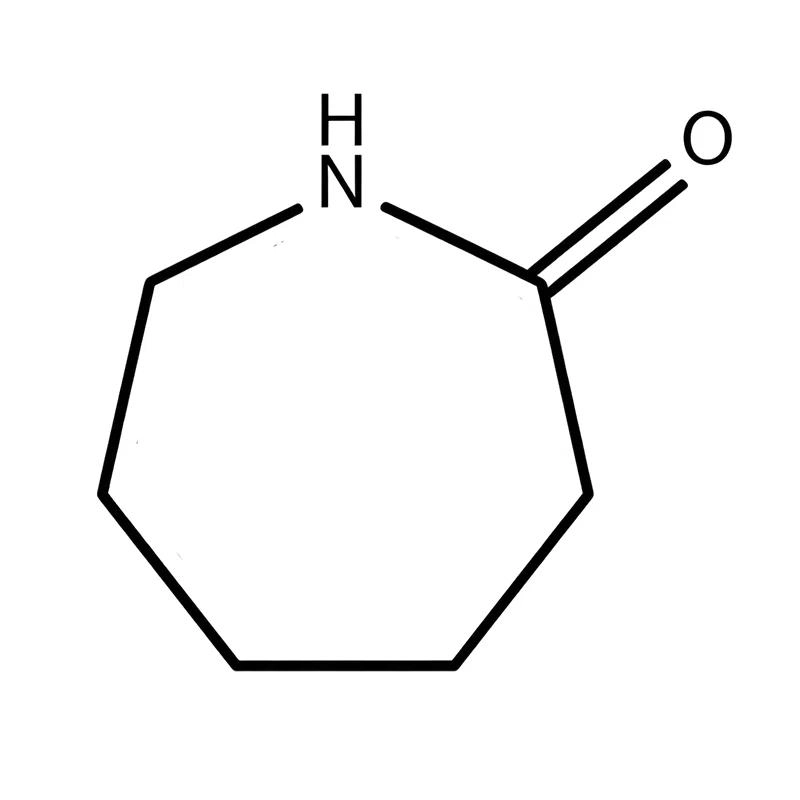
Products Description
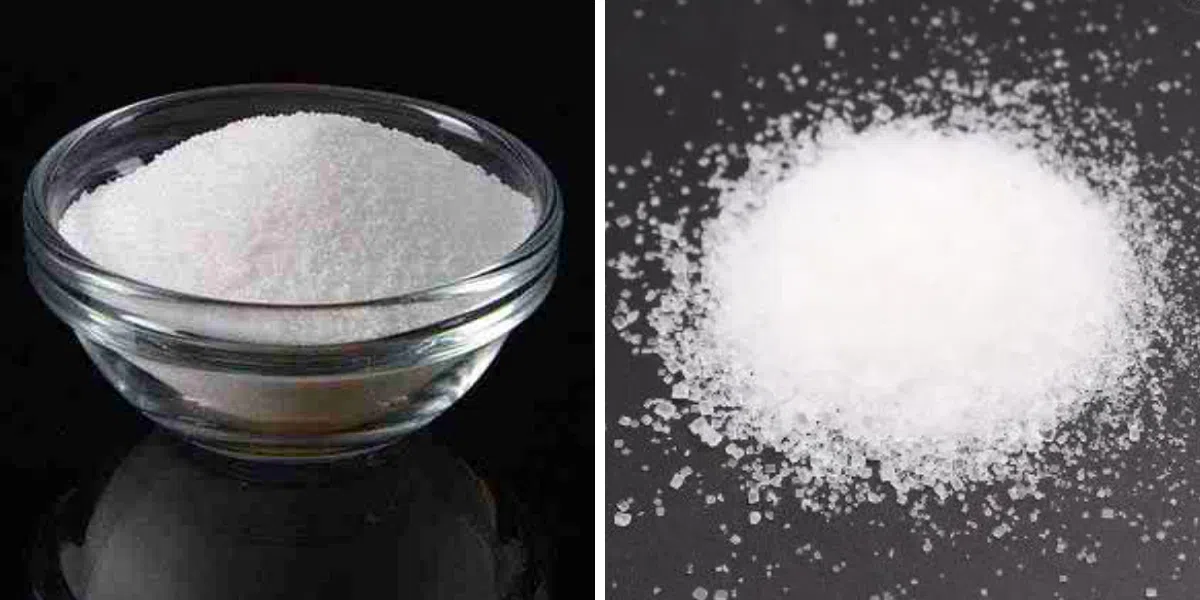
Caprolactam (CAS 105-60-2) is a white crystalline substance available in solid or flake form, mainly utilized as a key monomer in the manufacture of nylon 6, contributing to its superior mechanical properties and resistance to chemicals. It dissolves readily in water and is compatible with a wide range of organic solvents. Its primary applications include the production of synthetic fibers, engineering plastics, and plastic films.
Chemical Properties
Melting point | 68-71 °C(lit.) |
Boiling point | 136-138 °C10 mm Hg(lit.) |
density | 1.01 |
bulk density | 500-550kg/m3 |
vapor pressure | <0.01 mm Hg ( 20 °C) |
refractive index | 1.4935 |
FEMA | 4235 | 1,6-HEXALACTAM |
Fp | 152 °C |
storage temp. | Store below +30°C. |
solubility | H2O: 0.1 g/mL, clear, colorless |
form | Crystals or Flakes |
pka | 16.61±0.20(Predicted) |
Specific Gravity | 1.042 (20/4℃) |
color | White |
PH | 7.0-8.5 (333g/l, H2O, 20℃) |
Odor | amine spicy |
Odor Type | spicy |
explosive limit | 1.4-8%(V) |
Water Solubility | 4560 g/L (20 ºC) |
Merck | 14,1761 |
JECFA Number | 1594 |
BRN | 106934 |
Dielectric constant | 1.7 - 1.9(0.0℃) |
Exposure limits | ACGIH: TWA 5 mg/m3 |
LogP | 0.12 at 25℃ |
CAS DataBase Reference | 105-60-2(CAS DataBase Reference) |
NIST Chemistry Reference | Caprolactam(105-60-2) |
IARC | 3 (Vol. 39, Sup 7, 71) 1999 |
EPA Substance Registry System | Caprolactam (105-60-2) |
Product Applications
Preparation Method:
Caprolactam is mainly manufactured through the Beckmann rearrangement of cyclohexanone oxime, which is generally obtained from cyclohexanone. In the conventional industrial process, cyclohexanone reacts with hydroxylamine to produce cyclohexanone oxime. The intermediate then undergoes rearrangement in the presence of concentrated sulfuric acid, forming caprolactam sulfate. The resulting crude product is neutralized with ammonia, followed by separation and purification using techniques such as extraction, distillation, and crystallization to obtain high-purity caprolactam. Other commercial production methods include the photonitrosation of cyclohexane and the hydrogenation of phenol.
Main Application Areas:
1. Nylon 6 Production: The primary use of caprolactam is as a monomer in the production of polyamide 6 (nylon 6) through ring-opening polymerization. It is widely used to manufacture nylon 6 fibers for textiles, carpets, and industrial yarns, as well as engineering plastics and polymer films.
2. Engineering Plastics: Caprolactam serves as a key raw material for producing durable, high-strength plastic components, including gears, bearings, automotive parts, and electrical insulation materials.
3. Specialty Applications: In addition to its major applications, caprolactam is used in certain polyurethane cross-linking systems and as a chemical intermediate in the synthesis of lysine and various other industrial chemicals.
Safety Information
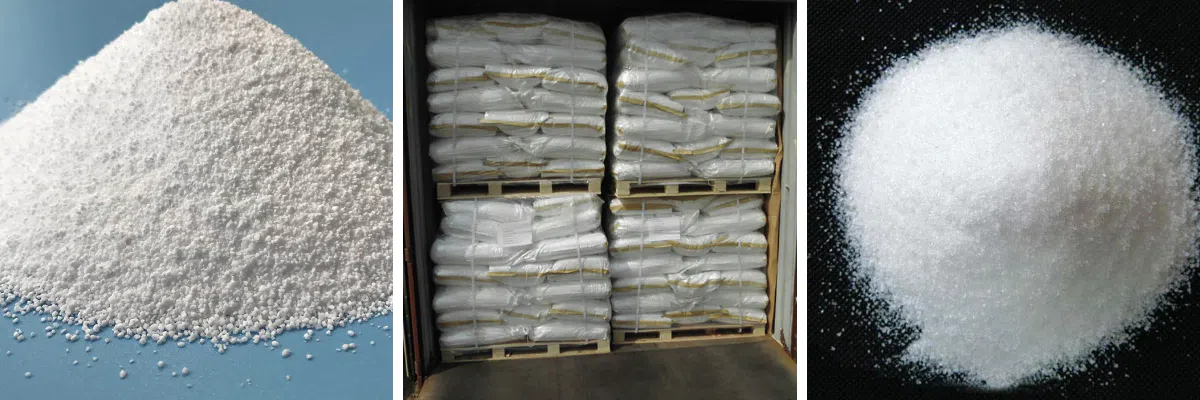
Caprolactam is generally considered to have relatively low toxicity but can cause irritation upon exposure. Ingestion, inhalation, or skin contact may be harmful, while prolonged exposure can potentially affect the central nervous system. Its dust or vapor may form explosive mixtures with air under certain conditions, and thermal decomposition can release hazardous gases, including nitrogen oxides and carbon monoxide. Adequate ventilation is essential during high-temperature processing. Recommended occupational exposure limits for dust and vapor generally range from 1 to 3 mg/m³, depending on applicable standards. Caprolactam should be stored in a cool, dry, well-ventilated area, away from oxidizing agents and ignition sources. Although it is generally not classified as a dangerous good for routine transport, relevant local regulations and transport requirements should always be verified.
Upstream and Downstream Product Information
Upstream Products: The main raw materials used in caprolactam production include cyclohexanone (CAS No. 108-94-1), hydroxylamine, and sulfuric acid. Alternative production routes may also utilize cyclohexane (CAS No. 110-82-7) or phenol (CAS No. 108-95-2) as starting materials.
Downstream Products: The principal downstream product of caprolactam is polyamide 6 (nylon 6), which is subsequently processed into various products, including synthetic fibers, engineering plastics, and polymer films


