
Products Description
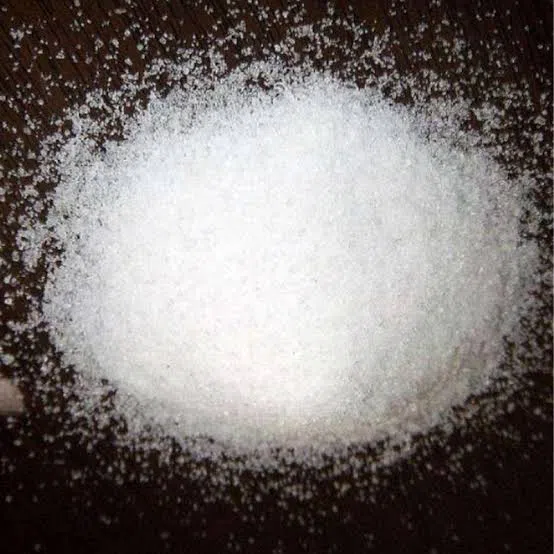
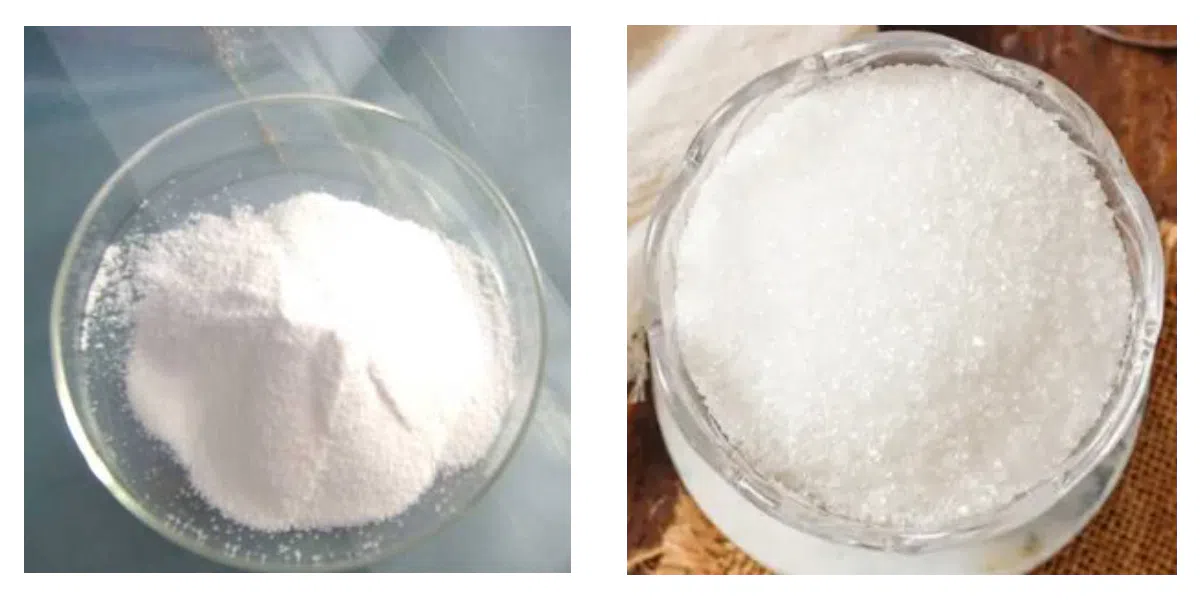
Chlorpropham CAS 101-21-3, also known as CIPC or Isopropyl N-(3-chlorophenyl)carbamate, is a carbamate compound widely recognized for its applications as a selective herbicide and plant growth regulator. Its molecular formula is C10H12ClNO2, with a molecular weight of 213.66 g/mol. Chlorpropham is typically a white to off-white crystalline solid with a melting point of approximately 38–40°C. It has been used in agricultural applications to control various annual grassy and broadleaf weeds, as well as to inhibit sprout formation in stored potatoes. Its herbicidal activity is associated with interference in plant cell division, making it useful in selected pre-emergence and post-emergence weed control programs. Chlorpropham has also been used in certain ornamental plant and tobacco production applications. Due to its specific agricultural functions, it is an important crop protection chemical with established applications in weed management and post-harvest storage.
Chemical Properties
Melting point | 41°C |
Boiling point | 247°C |
density | 1.18 |
refractive index | nD20 1.5388 |
Fp | 247°C |
storage temp. | 2-8°C |
solubility | Chloroform (Slightly), Methanol (Slightly) |
form | crystalline |
pka | 13.06±0.70(Predicted) |
color | light tan |
Odor | faint char. odor |
Water Solubility | 0.009 g/100 ml very poor |
Decomposition | 247 ºC |
Merck | 14,2187 |
BRN | 2211397 |
Exposure limits | An experimental carcinogen and neoplastigen |
Stability: | Stable. Incompatible with strong acids, strong bases, strong oxidizing agents. |
CAS DataBase Reference | 101-21-3(CAS DataBase Reference) |
IARC | 3 (Vol. 12, Sup 7) 1987 |
NIST Chemistry Reference | Chlorpropham(101-21-3) |
EPA Substance Registry System | Chlorpropham (101-21-3) |
Safety Information
Hazard Codes | Xn,N,F |
Risk Statements | 22-51/53-36-20/21/22-11 |
Safety Statements | 61-36/37-26-16 |
RIDADR | UN 3077 9/PG 3 |
WGK Germany | 2 |
RTECS | FD8050000 |
HS Code | 2924.29.4300 |
HazardClass | 9 |
PackingGroup | III |
Hazardous Substances Data | 101-21-3(Hazardous Substances Data) |
Toxicity | LD50 orally in rats: 1.2 g/kg (Boyd, Carsky) |
Product Applications
Chlorpropham is a plant growth regulator and selective herbicide with applications in both crop management and weed control. As a plant growth regulator, it inhibits β-amylase activity, suppresses plant RNA and protein synthesis, interferes with oxidative phosphorylation and photosynthesis, and disrupts cell division. These mechanisms make it effective in preventing premature sprouting of potatoes during storage. It can also be used for flower and fruit thinning in fruit trees.
As a selective pre-emergence and early post-emergence herbicide, chlorpropham is primarily absorbed through plant roots, although foliar absorption also occurs. It is translocated within plants through bidirectional movement, providing effective control of annual grass weeds and certain broadleaf weeds. Its applications extend to various crops, including wheat, corn, alfalfa, sunflower, potatoes, sugar beets, soybeans, rice, beans, carrots, spinach, lettuce, onions, and peppers.


