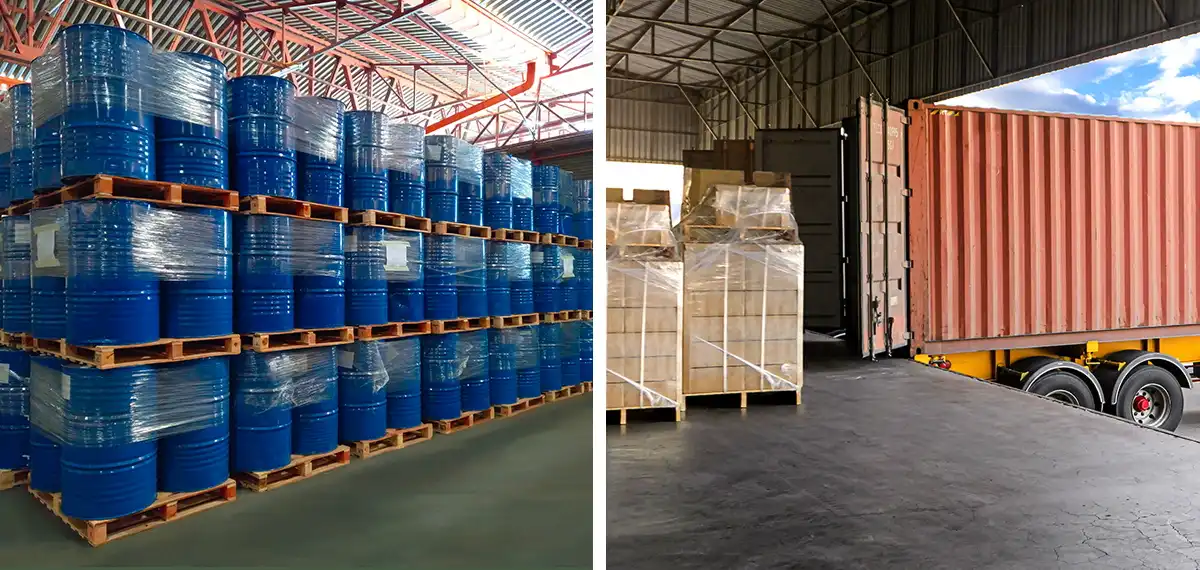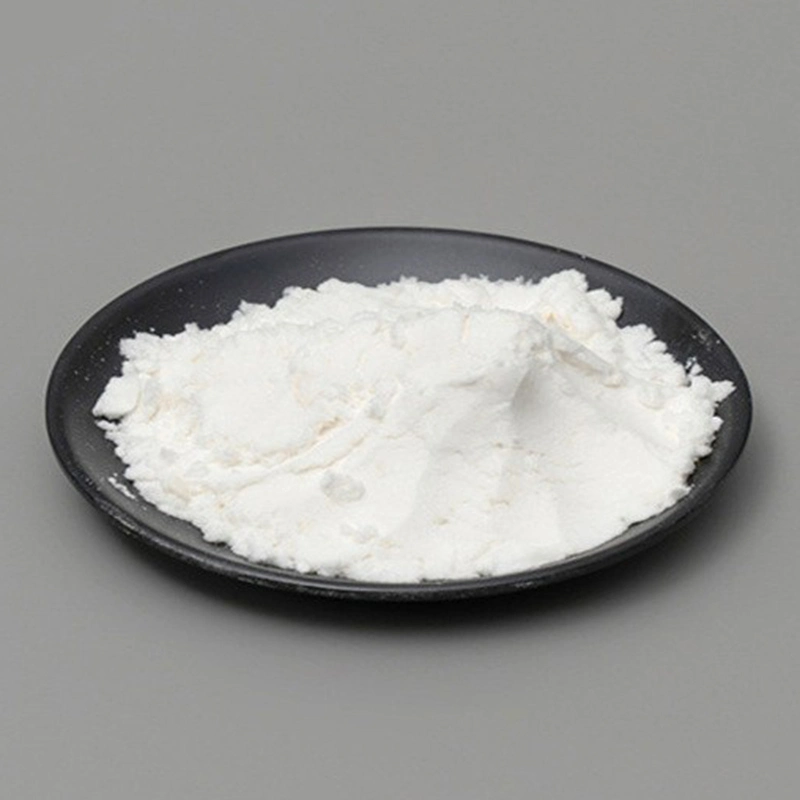
L-Methionine is a vital sulfur-bearing essential L-amino acid that plays an indispensable role in maintaining key physiological operations. As a nutritionally required amino acid, it supports healthy growth and cellular development across humans, mammals, and avian species. In addition to acting as a foundational building block for protein synthesis, L-Methionine serves as an essential intermediate in transmethylation pathways, operating as a principal donor of methyl groups.
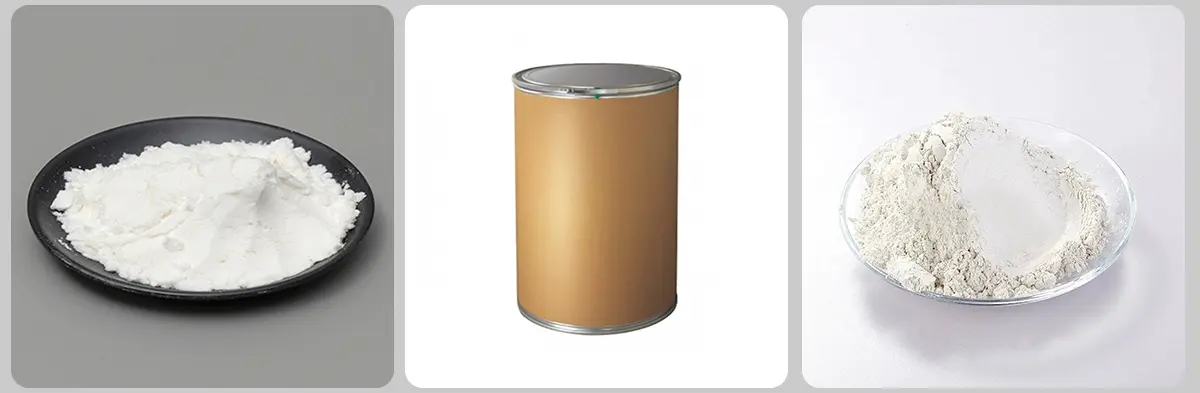
L-Methionine Chemical Properties
| Melting point | 284 °C (dec.)(lit.) |
| Alpha | 23.25 º (c=2, 6N HCl) |
| Boiling point | 393.91°C (estimate) |
| Density | 1,34g/cm |
| Bulk density | 550kg/m3 |
| Refractive index | 1.5216 (estimate) |
| Storage temp | 20-25°C |
| Solubility | 1 M HCl: 0.5 M at 20 °C, clear, colorless |
| Pka | 2.13(at 25℃) |
| Form | Solid |
| Color | White |
| Odor | Slight characteristic |
| PH | 5-7 (10g/l, H2O, 20℃) |
| Biological source | Synthetic |
| Optical Rotation | [α]20/D +23.7±0.5°, c = 5% in 5 M HCl |
| Water Solubility | Soluble |
| λmax | λ: 260 nm Amax: 0.40 λ: 280 nm Amax: 0.05 |
| Merck | 14,5975 |
| BRN | 1722294 |
| Stability | Stable. Incompatible with strong oxidizing agents. |
| LogP | 0.217 (est) |
| CAS DataBase Reference | 63-68-3(CAS DataBase Reference) |
| NIST Chemistry Reference | L-Methionine(63-68-3) |
| EPA Substance Registry System | L-Methionine (63-68-3) |
Safety Information
| Risk Statements | 33 |
| Safety Statements | 24/25 |
| WGK Germany | 2 |
| RTECS | PD0457000 |
| F | 10-23 |
| TSCA | Yes |
| HS Code | 29304010 |
| Hazardous Substances Data | 63-68-3(Hazardous Substances Data) |
| Toxicity | LD50 oral in rat: 36gm/kg |

Utilized as an amino acid therapeutic and dietary supplement, L-methionine plays an important role in managing liver conditions such as fatty liver disease and cirrhosis. Furthermore, it is extensively incorporated as a feed additive to elevate feed quality, optimize the utilization of native protein sources, and accelerate animal growth. For instance, methionine supplementation can enhance poultry egg yields, promote swine weight gain, and increase milk production in dairy cows.