
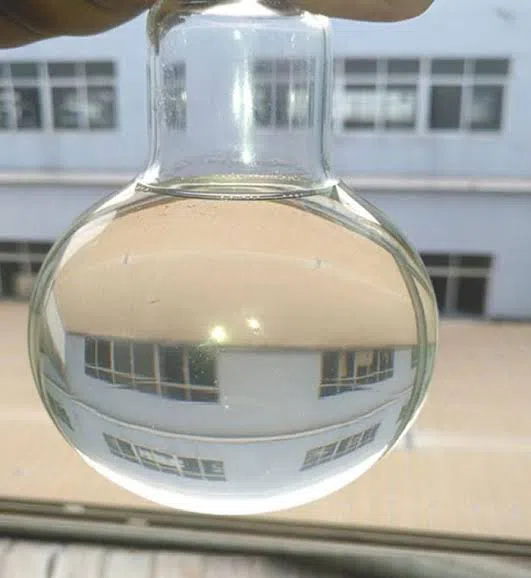
Products Description
Glycidyl alcohol, also known as Glycidol, is a versatile chemical intermediate used in various industrial applications. It serves as a stabilizer for natural oils and vinyl polymers, as well as a component in demulsifiers, dyeing agents, and leveling agents. It is also widely utilized in surface coatings, chemical synthesis, fungicides, and other applications.
Glycidol can also be formed during the high-temperature refining of certain oils. After ingestion, related compounds may undergo hydrolysis in the human gastrointestinal tract, potentially releasing glycidol.
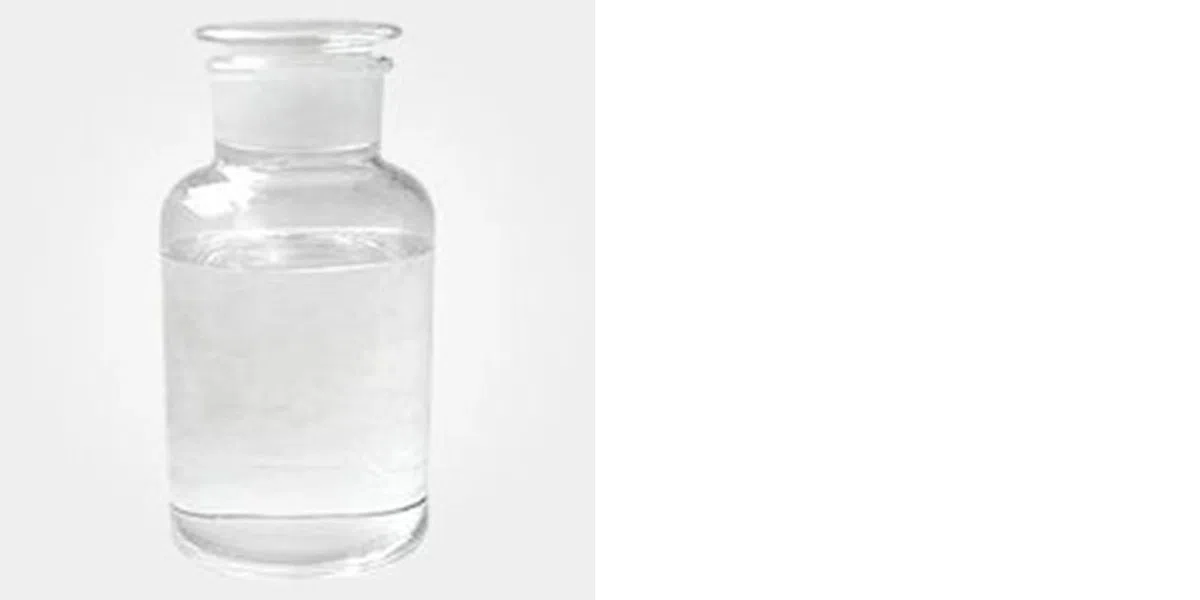
Chemical Properties
Melting point | -54 °C |
Boiling point | 61-62 °C/15 mmHg (lit.) |
density | 1.117 g/mL at 25 °C (lit.) |
vapor density | 2.15 (vs air) |
vapor pressure | 0.9 mm Hg ( 25 °C) |
refractive index | n20/D 1.433(lit.) |
Fp | 178 °F |
storage temp. | -20°C |
solubility | Soluble in acetone, alcohol, benzene, chloroform, and ether (Weast, 1986) |
pka | 14.62±0.10(Predicted) |
form | Powder, Crystals or Chunks |
color | White to light yellow-beige |
Water Solubility | soluble |
Merck | 13,4503 |
BRN | 383562 |
Exposure limits | TLV-TWA 75 mg/m3 (25 ppm) (ACGIH); 150 mg/m3 (50 ppm) (OSHA); IDLH 500 ppm (NIOSH). |
Stability: | Stability Stable, but may explode on contact with strong acids, strong bases, heavy metals, heavy metal salts. May decompose on exposure to water or moist air. |
InChIKey | CTKINSOISVBQLD-UHFFFAOYSA-N |
LogP | -0.95 at 25℃ |
CAS DataBase Reference | 556-52-5(CAS DataBase Reference) |
NIST Chemistry Reference | Glycidol(556-52-5) |
IARC | 2A (Vol. 77) 2000 |
EPA Substance Registry System | Glycidol (556-52-5) |
Safety Information
Hazard Codes | T |
Risk Statements | 45-60-21/22-23-36/37/38-68 |
Safety Statements | 53-45-36/37-26 |
RIDADR | UN 2810 6.1/PG 3 |
WGK Germany | 3 |
RTECS | UB4375000 |
F | 10-21 |
Autoignition Temperature | 780 °F |
Hazard Note | Toxic |
HazardClass | 6.1(b) |
PackingGroup | III |
HS Code | 29109000 |
Hazardous Substances Data | 556-52-5(Hazardous Substances Data) |
Toxicity | Acute oral LD50 for mice 431 mg/kg, rats 420 mg/kg (quoted, RTECS, 1985). |
IDLA | 150 ppm |
Product Applications
Mainly used as epoxy resin diluent, plastic and fiber modifier, stabilizer of halogenated hydrocarbons, food preservative, bactericide, refrigeration system desiccant and aromatic hydrocarbon extractant, etc. Derivatives of glycidol are raw materials for industries such as resins, plastics, medicines, pesticides and auxiliaries.


