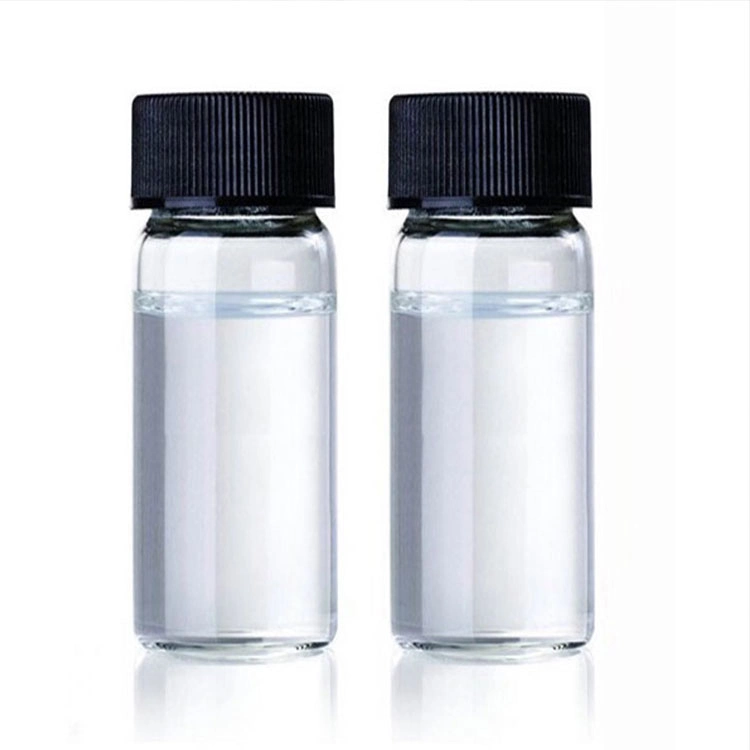
Product Overview
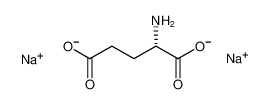
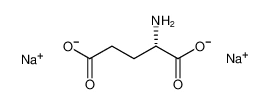
Disodium Cocoyl Glutamate is an amino acid-based anionic surfactant widely used in cosmetic and personal care formulations. It is generally produced from L-glutamic acid and fatty acids derived from coconut oil. Its molecular structure combines a hydrophilic glutamate group with hydrophobic coconut-derived fatty chains, allowing it to reduce surface tension and provide cleansing, foaming, and wetting properties.
As a mild cleansing ingredient, Disodium Cocoyl Glutamate is particularly suitable for formulations designed to balance effective cleansing with a pleasant skin feel. It helps remove dirt, excess oil, and other impurities while producing fine, creamy foam. It is frequently incorporated into facial cleansers, shampoos, shower gels, hand washes, and other personal hygiene products.
This ingredient can be combined with other surfactants, including anionic, nonionic, and amphoteric types, to adjust foam characteristics, viscosity, cleansing performance, and overall formulation properties. It is also valued for its amino-acid-based composition and favorable biodegradability profile.
Safety and Storage
Disodium Cocoyl Glutamate should be handled according to the supplier's current Safety Data Sheet (SDS). Although it is widely used in cosmetic cleansing formulations, concentrated raw materials may cause eye irritation. A supplier SDS for a commercial Disodium Cocoyl Glutamate product identifies serious eye irritation (H319). Hazard classification may vary according to the concentration, formulation, and supplier.
During handling, avoid direct contact with the eyes and prolonged contact with the skin. Wear suitable protective gloves, safety goggles, and protective clothing when handling bulk material. Ensure adequate ventilation during weighing, mixing, and transfer operations. Avoid splashing liquid products and generating airborne dust when handling solid grades. Do not eat, drink, or smoke in areas where the material is handled, and wash hands thoroughly after use.