Product Overview
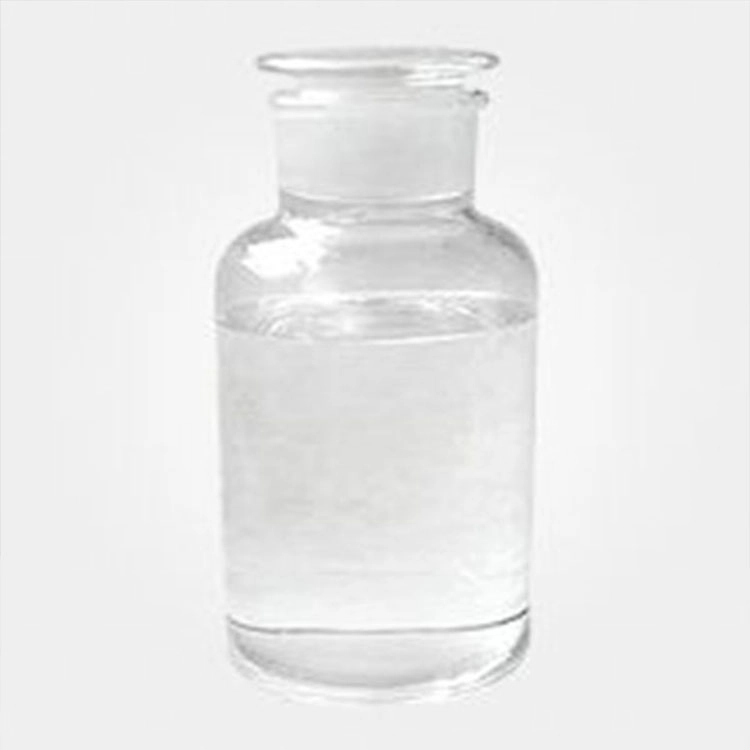
Neopentyl Glycol Diglycidyl Ether (NPGDGE), CAS 17557-23-2, is an aliphatic diepoxide compound containing two glycidyl ether functional groups. It has a molecular formula of C₁₁H₂₀O₄ and a molecular weight of approximately 216.28 g/mol. The compound is generally supplied as a colorless to almost colorless transparent liquid.
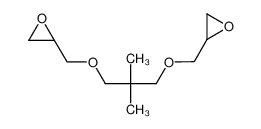
Its molecular structure consists of a neopentyl glycol-derived backbone connected to two epoxy-containing glycidyl ether groups. These reactive epoxy groups allow the compound to participate in curing and crosslinking reactions with suitable curing agents, including selected amines and anhydrides.
NPGDGE is used in epoxy resin formulations as a reactive component and viscosity-modifying diluent. Compared with some conventional epoxy resin components, its relatively low-viscosity liquid form can help improve formulation handling and processing. Depending on the resin system and formulation design, it can also influence crosslink density, flexibility, adhesion and mechanical performance.
Neopentyl glycol diglycidyl ether Chemical Properties
Boiling point | 103-107 °C/1 mmHg (lit.) |
density | 1.04 g/mL at 25 °C (lit.) |
vapor density | >1 (vs air) |
refractive index | n20/D 1.457(lit.) |
Fp | >230 °F |
storage temp. | Keep in dark place,Inert atmosphere,Room temperature |
solubility | Chloroform (Sparingly), Methanol (Slightly) |
form | clear liquid |
color | Colorless to Almost colorless |
Water Solubility | 0.5-1.0 g/100 mL at 20.5 ºC |
Stability: | Stable. Incompatible with strong oxidizing agents, sulfuric acid, dichromates. Combustible. |
LogP | 0.646 (est) |
CAS DataBase Reference | 17557-23-2(CAS DataBase Reference) |
EPA Substance Registry System | Neopentyl glycol diglycidyl ether (17557-23-2) |
Safety Information
Hazard Codes | Xi |
Risk Statements | 38-43 |
Safety Statements | 24-37 |
WGK Germany | 1 |
RTECS | TX3760000 |
HS Code | 29109000 |
Safety and Storage
Neopentyl Glycol Diglycidyl Ether should be handled with appropriate industrial chemical safety precautions. Depending on the supplier and product grade, it may cause skin and eye irritation and may cause allergic skin reactions. Certain supplier classifications also identify potential reproductive toxicity and organ damage hazards. Therefore, the exact SDS for the purchased grade must be reviewed before handling.
Avoid direct skin and eye contact and prevent inhalation of vapors, aerosols or mist. Wear chemical-resistant gloves, safety goggles and suitable protective clothing. Use adequate ventilation or local exhaust ventilation during weighing, transfer and formulation operations. Avoid eating, drinking or smoking in handling areas.