
Products Description
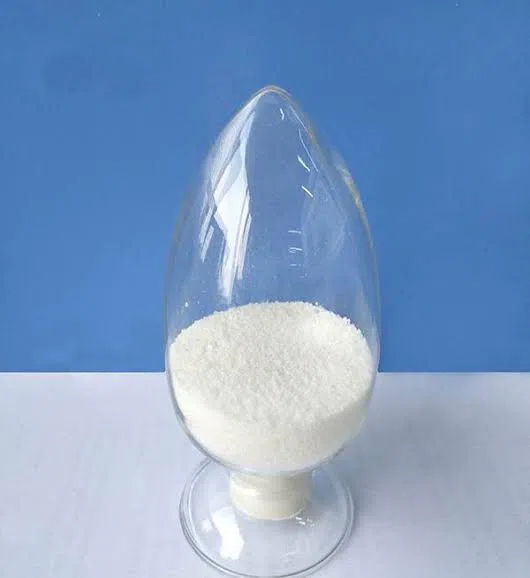
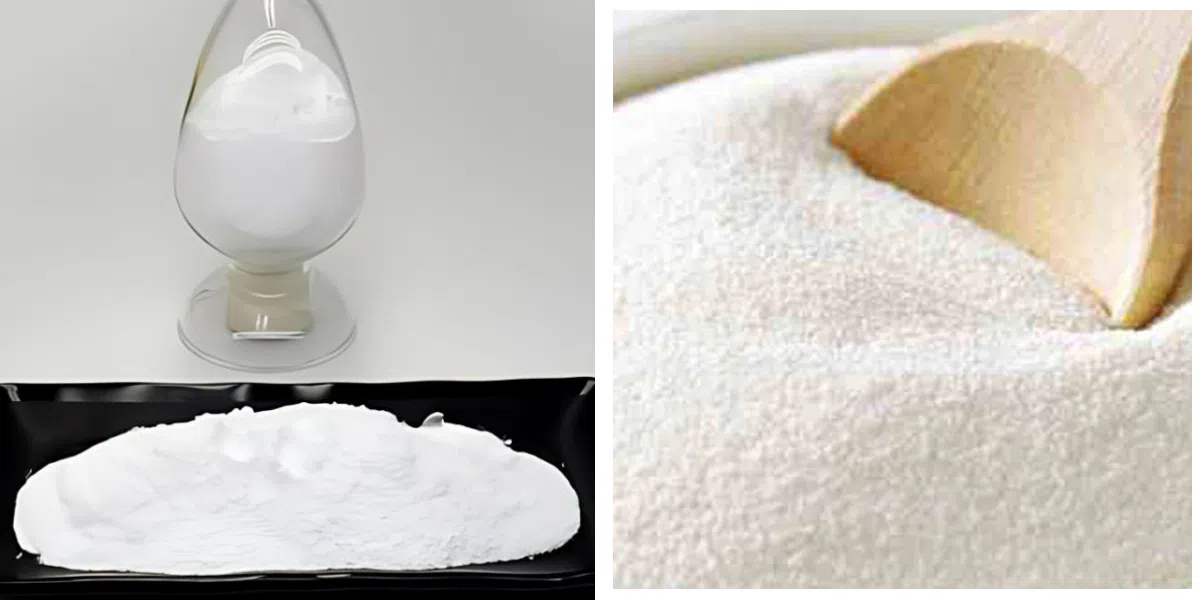
Octadecanamide CAS 124-26-5, also known as Stearamide or Stearic Acid Amide, is a saturated primary fatty acid amide widely used as a functional additive in the plastics, rubber, and chemical industries. Its molecular formula is C18H37NO, with a molecular weight of 283.50 g/mol. Octadecanamide is valued for its excellent lubricating, slip, and anti-blocking properties. When incorporated into polymer formulations, it can migrate to the material surface and form a thin lubricating layer, helping reduce friction and unwanted adhesion between surfaces. It is particularly suitable for polyolefins and rubber applications, where it helps improve processing performance and surface characteristics. In addition, Octadecanamide can be used as a mold release agent and processing aid in selected industrial formulations. With its versatile functionality, it is an important specialty chemical additive for manufacturers seeking improved material handling and processing efficiency.
Chemical Properties
Melting point | 98-102 °C(lit.) |
Boiling point | 250-251 °C12 mm Hg(lit.) |
density | 0.9271 (rough estimate) |
vapor pressure | 0Pa at 25℃ |
refractive index | 1.432-1.434 |
storage temp. | Refrigerator |
solubility | Chloroform (Slightly, Sonicated), Methanol (Slightly) |
pka | 16.61±0.40(Predicted) |
form | A solid |
color | White |
Water Solubility | 102μg/L at 20℃ |
BRN | 909006 |
LogP | 6.7 |
CAS DataBase Reference | 124-26-5(CAS DataBase Reference) |
NIST Chemistry Reference | Octadecanamide(124-26-5) |
EPA Substance Registry System | Octadecanamide (124-26-5) |
Safety Information
Safety Statements | 22-24/25 |
WGK Germany | 1 |
RTECS | RG0182000 |
HS Code | 29241990 |
Hazardous Substances Data | 124-26-5(Hazardous Substances Data) |
Product Applications
This product is widely used as a lubricant and release agent in the processing of plastics, including polyvinyl chloride (PVC), polystyrene, and urea-formaldehyde resins. It provides excellent external lubrication and mold-release performance, along with good transparency and electrical insulation properties. In rigid transparent extrusion molding, the typical dosage ranges from 0.3 to 0.8 parts. However, its lubricating performance is inferior to that of stearic acid, and it has a relatively short-lasting effect, limited thermal stability, and a tendency to cause initial discoloration. These disadvantages can be minimized by combining it with a small amount of higher alcohol.
When added in excessive amounts, the product may migrate to the resin surface, potentially affecting the printability and transparency of the finished products. It can also serve as a slip agent for polyolefins and an anti-blocking agent for plastic films. In addition, it functions as an internal release agent and lubricant in natural and synthetic rubber processing, helping improve processability and enhance the dispersion of pigments and other additives while providing finished products with a smooth, glossy appearance. Other applications include its use as an emulsifier in oil-based drilling fluids and as a lubricant in metal wire drawing operations.


