
Product Overview
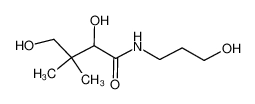
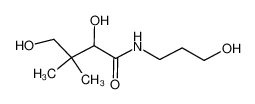
Panthenol, also known as DL-Panthenol or DL-Pantothenyl Alcohol, is an alcohol derivative of pantothenic acid, commonly known as Vitamin B5. It has the molecular formula C₉H₁₉NO₄ and a molecular weight of 205.25 g/mol. CAS 16485-10-2 refers to the racemic DL form, which contains both dextrorotatory and levorotatory forms. It should be distinguished from D-Panthenol, also known as Dexpanthenol, which is the biologically active optical form.
Panthenol is generally supplied as a white to off-white crystalline powder or crystals. It is hygroscopic and soluble in water, making it suitable for incorporation into many aqueous cosmetic formulations. Its functional properties make it a popular ingredient in skin care and hair care products. In topical formulations, Panthenol is valued for its moisturizing, skin-conditioning, and hair-conditioning functions. It is commonly incorporated into creams, lotions, facial care products, shampoos, conditioners, and other personal care formulations.
Panthenol Chemical Properties
Safety Information
Hazard Codes | Xn |
Risk Statements | 36/37/38-48-41-37/38-20/21/22 |
Safety Statements | 26-37-45-36/37/39-22 |
WGK Germany | 3 |
RTECS | ES4316500 |
F | 3 |
TSCA | Yes |
HS Code | 29362400 |
Toxicity | mouse,LD50,intraperitoneal,10100mg/kg (10100mg/kg),Farmaco, Edizione Scientifica. Vol. 14, Pg. 43, 1959. |
Main Applications
Skin Care Products: Moisturizing creams, facial lotions, serums, and skin-conditioning formulations.
Hair Care Products: Shampoos, conditioners, hair masks, and leave-in hair treatments.
Personal Care Products: Body lotions, hand creams, and other daily care formulations.
Cosmetic Formulation: Used as a functional ingredient in water-based cosmetic systems.
After-Sun Products: Included in selected skin-conditioning and moisturizing formulations.
Pharmaceutical Formulations: Used in certain topical preparations, subject to applicable pharmaceutical grade and regulatory requirements.


