
Products Description
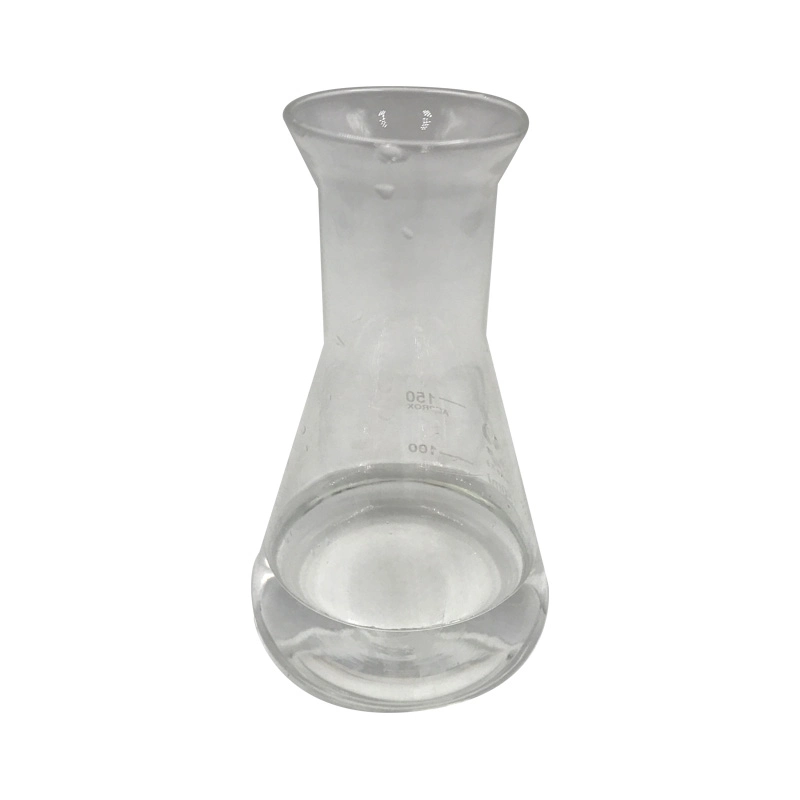
Sulfolane CAS 126-33-0, also known as Tetrahydrothiophene 1,1-Dioxide or Tetramethylene Sulfone, is a high-performance polar aprotic organic solvent widely used in the petroleum, petrochemical, and chemical industries. Its molecular formula is C4H8O2S, with a molecular weight of 120.17 g/mol. Sulfolane is characterized by its high boiling point of approximately 285°C, excellent solvent properties, and good miscibility with water and various organic solvents. It is particularly valued for its ability to selectively extract aromatic hydrocarbons from complex hydrocarbon mixtures, making it an important solvent in refinery operations. In addition, Sulfolane is used in acid gas purification, chemical synthesis, and industrial processing. With its versatile chemical properties and broad industrial applications, Sulfolane is an important industrial solvent for manufacturers seeking reliable solutions for demanding chemical processes.
Chemical Properties
Melting point | 20-26 °C (lit.) |
Boiling point | 104 °C/0.2 mmHg (lit.) 285 °C (lit.) |
density | 1.261 g/mL at 25 °C (lit.) |
vapor density | 4.2 (vs air) |
vapor pressure | 0.01 mm Hg ( 20 °C) |
refractive index | n20/D 1.484(lit.) |
Fp | 330 °F |
storage temp. | Store below +30°C. |
solubility | >=100g/l soluble |
form | Liquid After Melting |
color | Clear yellow |
Water Solubility | soluble |
FreezingPoint | 26℃ |
Sensitive | Hygroscopic |
Merck | 14,8955 |
BRN | 107765 |
Dielectric constant | 44.0 |
Stability: | Stable. Combustible. Incompatible with strong oxidizing agents. |
InChIKey | HXJUTPCZVOIRIF-UHFFFAOYSA-N |
LogP | 0 at 20℃ |
CAS DataBase Reference | 126-33-0(CAS DataBase Reference) |
NIST Chemistry Reference | Thiophene, tetrahydro-, 1,1-dioxide(126-33-0) |
EPA Substance Registry System | Sulfolane (126-33-0) |
Safety Information
Hazard Codes | Xn |
Risk Statements | 22 |
Safety Statements | 23-25 |
WGK Germany | 1 |
RTECS | XN0700000 |
TSCA | Yes |
HS Code | 29349990 |
Hazardous Substances Data | 126-33-0(Hazardous Substances Data) |
Toxicity | LD50 orally in rats: 1.54 ml/kg (Smyth) |
Product Applications
Sulfolane is a highly polar solvent characterized by its excellent dissolving capacity and high selectivity. It can dissolve or mix with a wide range of organic compounds and polymers. Its primary applications include serving as an extraction solvent for aromatic hydrocarbons, a solvent for polymer spinning and film formation, and a purification agent for natural gas, synthesis gas, and refinery gas. It is also widely used in the purification and desulfurization of synthesis gas, as well as a solvent in the rubber and plastics industries.
Furthermore, sulfolane is used in the textile printing and dyeing industry as an auxiliary agent to enhance color brightness and improve dyeing results. With its high solubility for aromatic hydrocarbons, excellent selectivity, outstanding thermal stability, low vapor pressure, low toxicity, and non-corrosive properties toward carbon steel, sulfolane offers significant advantages in industrial applications. As a result, sulfolane-based extraction technology has become one of the most widely adopted technologies worldwide for aromatic hydrocarbon extraction.


