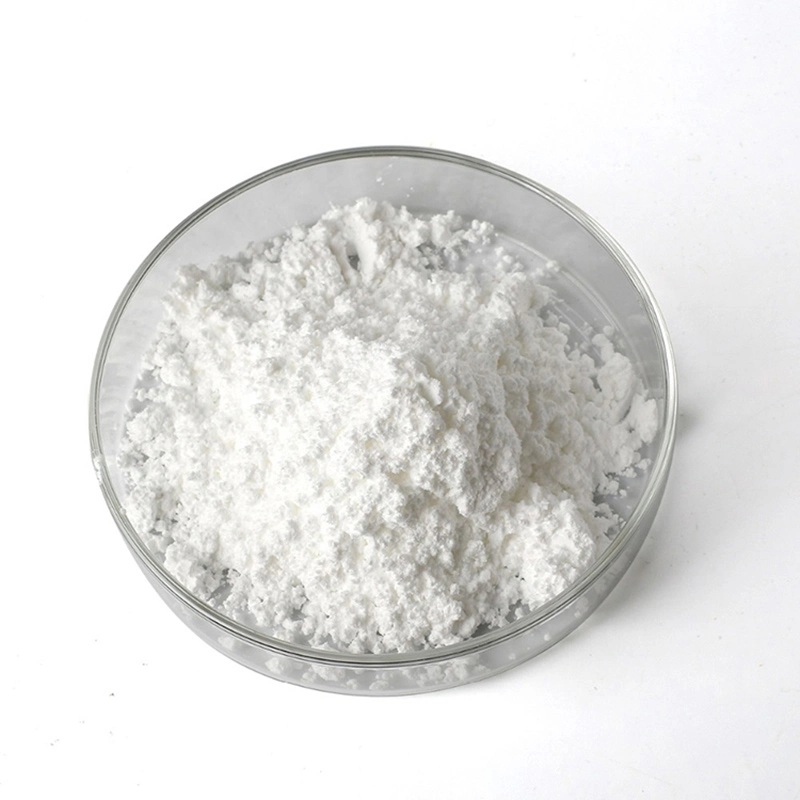
L-tryptophan represents the L-enantiomer of tryptophan. It serves as an antidepressant agent, a nutraceutical compound, an essential micronutrient, and a vital metabolite across humans, flora, and diverse organisms such as Saccharomyces cerevisiae, Escherichia coli, and mice.
L-Tryptophan Chemical Properties
| Melting point | 289-290 °C (dec.)(lit.) |
| alpha | -31.1 º (c=1, H20) |
| Boiling point | 342.72°C (rough estimate) |
| density | 1.34 |
| bulk density | 400kg/m3 |
| refractive index | -32 ° (C=1, H2O) |
| storage temp. | 2-8°C |
| solubility | 20% NH3: 0.1 g/mL at 20 °C, clear, colorless |
| form | powder |
| pka | 2.46(at 25℃) |
| color | White to yellow-white |
| PH | 5.5-7.0 (10g/l, H2O, 20℃) |
| Odor | wh. cryst. or cryst. odorless powd., sl. bitter taste |
| biological source | non-animal source |
| Optical Rotation | [α]20/D 31.5±1°, c = 1% in H2O |
| Water Solubility | 11.4 g/L (25 ºC) |
| Merck | 14,9797 |
| BRN | 86197 |
| Stability: | Stable. Incompatible with strong acids, strong oxidizing agents. |
| InChIKey | QIVBCDIJIAJPQS-VIFPVBQESA-N |
| LogP | 0.704 (est) |
| CAS DataBase Reference | 73-22-3(CAS DataBase Reference) |
| NIST Chemistry Reference | L-Tryptophan(73-22-3) |
| EPA Substance Registry System | L-Tryptophan (73-22-3) |
| Absorption | cut-off at 326nm in 0.5 M HCl at 0.5M |

Amino acid-based medication:
This pharmaceutical compound is frequently incorporated into amino acid infusions, typically in conjunction with iron and vitamins. Co-administered with vitamin B6, it assists in mitigating depression while preventing or managing dermatological conditions. Furthermore, it functions as a sleep-inducing sedative and enhances Parkinson's disease treatment when combined with L-dopa. Nevertheless, it exhibits carcinogenicity in laboratory animals and can induce adverse effects including nausea, anorexia, and asthma. Exercise caution when co-administering with monoamine oxidase inhibitors.