
Product Overview
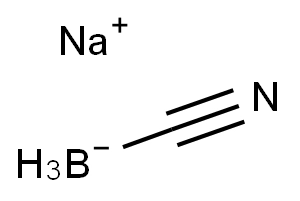
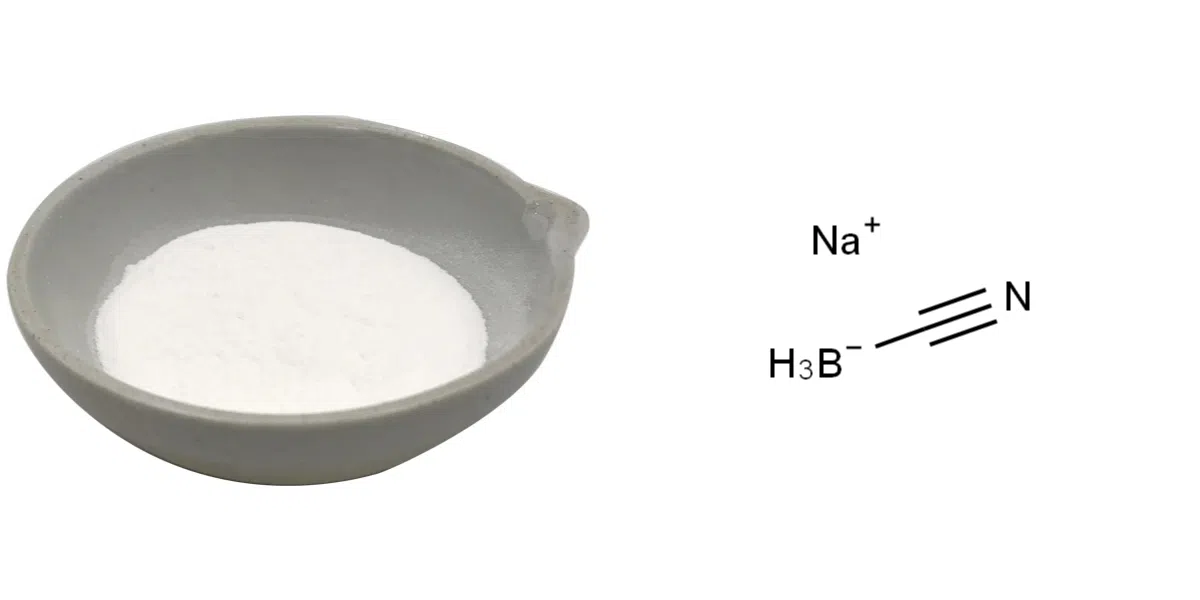
Sodium Cyanoborohydride, also known as sodium cyanotrihydridoborate, is an inorganic boron-containing chemical compound with the molecular formula NaBH3CN and a molecular weight of 62.84 g/mol. Its CAS number is 25895-60-7, and it is widely recognized as a selective reducing agent in organic chemistry. The product is generally supplied as a white to almost white, pale yellow, or beige powder, depending on the manufacturer and grade.
Sodium Cyanoborohydride is particularly valued for its application in reductive amination, a chemical transformation involving the conversion of aldehydes or ketones into amines. It can also be used in the reduction of imines, oximes, enamines, and other suitable organic compounds. Compared with conventional sodium borohydride, it offers different selectivity characteristics and can be useful in certain mildly acidic reaction environments when properly controlled. Its chemical properties make it valuable in pharmaceutical intermediate research, fine chemical synthesis, and laboratory development. Commercial specifications may vary in purity, particle characteristics, and packaging.
Safety and Storage
Sodium Cyanoborohydride is a highly hazardous chemical and must be handled only by trained personnel with appropriate chemical safety facilities. It can be highly toxic if swallowed, inhaled, or absorbed through the skin. It may also cause severe skin burns and serious eye damage. Contact with acids can release highly toxic hydrogen cyanide gas, creating a potentially life-threatening exposure hazard. Contact with water or moisture may also produce hazardous reactions and release flammable gases under certain conditions.
Appropriate chemical-resistant gloves, protective clothing, eye protection, and suitable respiratory protection must be selected according to a professional risk assessment and the supplier-specific Safety Data Sheet (SDS). Avoid generating or inhaling dust, and prevent direct contact with skin and eyes. Store the material in its original, tightly sealed, compatible container in a cool, dry, and well-ventilated location. Protect it from moisture, water, acids, heat, and incompatible substances. Keep it securely locked away from unauthorized access and separate from materials that may cause hazardous reactions. Do not dispose of the product through ordinary drains or household waste. Emergency response, spill management, transportation, and disposal must follow applicable regulations and the manufacturer's instructions.


