
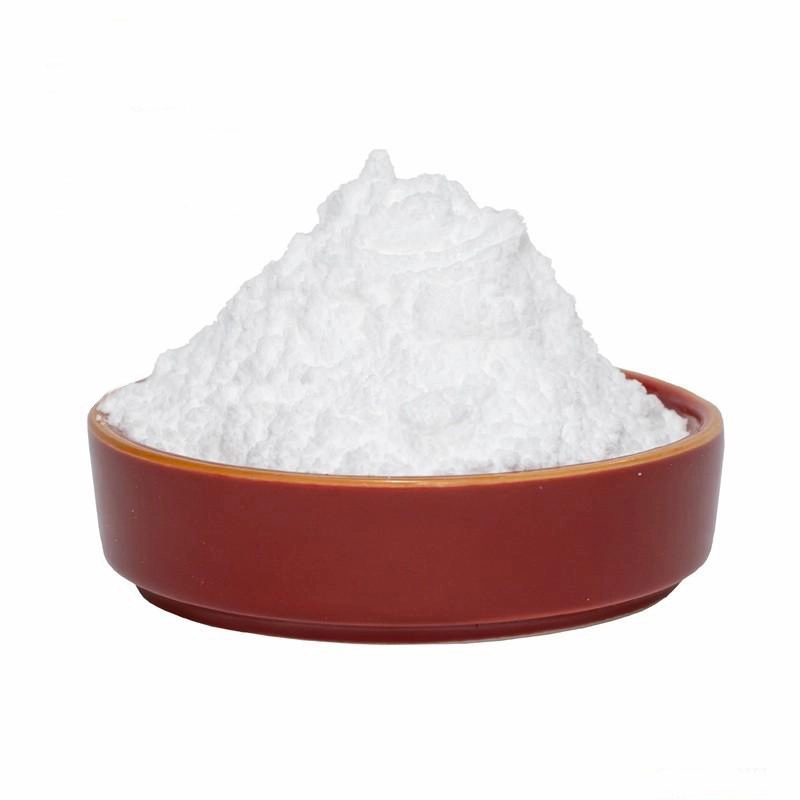
Sodium p-aminosalicylate, also recognized as PAS-Na or sodium 4-amino-2-hydroxybenzoate dihydrate, functions as an established anti-tuberculosis pharmaceutical. It presents physically as an odorless, white to off-white crystalline powder possessing a distinct sweet and salty taste profile.
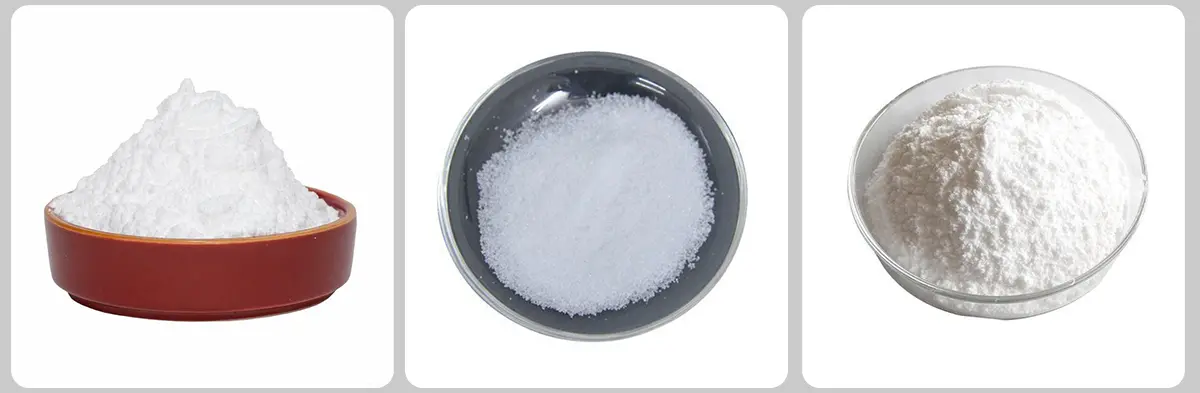
It exhibits high solubility in water, slight solubility in ethanol, very low solubility in acetone, and is practically insoluble in ether, chloroform, and benzene. A 2% aqueous solution typically displays a pH value between 6.5 and 8. Because this solution is susceptible to decarbonation resulting in the formation of m-aminophenol, fresh preparation prior to use is strongly advised.
Parameters
| Melting point | 250 °C |
| RTECS | VO1700000 |
| storage temp. | 2-8°C |
| solubility | 956g/l |
| form | crystalline |
| color | white |
| PH | 6.5-8.5 (20g/l, H2O, 20℃) |
| Water Solubility | soluble |
| Sensitive | Air & Light Sensitive |
| CAS DataBase Reference | 6018-19-5(CAS DataBase Reference) |
Safety Information
| Hazard Codes | Xi |
| Risk Statements | 36/37/38 |
| Safety Statements | 26-36 |
| WGK Germany | 3 |
| TSCA | Yes |
| HS Code | 29225090 |
It exhibits high solubility in water, slight solubility in ethanol, very low solubility in acetone, and is practically insoluble in ether, chloroform, and benzene. A 2% aqueous solution typically displays a pH value between 6.5 and 8. Because this solution is susceptible to decarbonation resulting in the formation of m-aminophenol, fresh preparation prior to use is strongly advised.
It exhibits high solubility in water, slight solubility in ethanol, very low solubility in acetone, and is practically insoluble in ether, chloroform, and benzene. A 2% aqueous solution typically displays a pH value between 6.5 and 8. Because this solution is susceptible to decarbonation resulting in the formation of m-aminophenol, fresh preparation prior to use is strongly advised.


