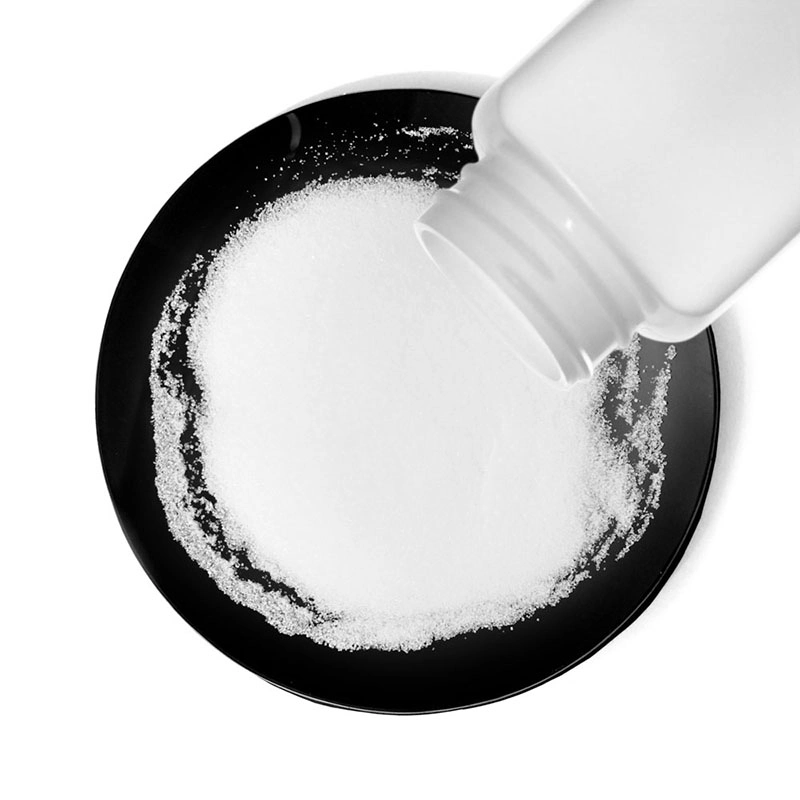
Alternatively designated as "thiamine" or "thiamine hydrochloride," vitamin B1 constitutes an essential member of the water-soluble B-complex family. This critical micronutrient facilitates efficient carbohydrate metabolism and functions as a vital prerequisite for maintaining normal neurological impulse transmission, myocardial performance, and gastrointestinal homeostasis. Upon reacting with adenosine triphosphate within cellular systems, it is converted into thiamine pyrophosphate (also recognized as thiamine diphosphate or cocarboxylase), which operates as an indispensable coenzyme driving intermediary carbohydrate metabolism.

Metabolic Disruption and Energy Impairment: Deficiency of this critical coenzyme halts oxidative metabolism, precipitating the accumulation of pyruvate and lactic acid, which severely compromises systemic energy production. Furthermore, thiamine acts as an endogenous inhibitor of cholinesterase activity; consequently, states of deficiency lead to unchecked cholinesterase acceleration, rapid acetylcholine degradation, impaired neural impulse transmission, and subsequent functional decline in both gastrointestinal and cardiovascular systems.

| Melting point | 248 °C (decomp) |
| density | 1.3175 (rough estimate) |
| refractive index | 1.5630 (estimate) |
| storage temp. | Keep in dark place,Inert atmosphere,Room temperature |
| solubility | DMSO : 6 mg/mL (19.95 mM) |
| form | Solid |
| color | White to off-white |
| InChI | InChI=1S/C12H17N4OS.ClH/c1-8-11(3-4-17)18-7-16(8)6-10-5-14-9(2)15-12(10)13;/h5,7,17H,3-4,6H2,1-2H3,(H2,13,14,15);1H/q+1;/p-1 |
| InChIKey | MYVIATVLJGTBFV-UHFFFAOYSA-M |
| SMILES | O([H])CCC1=C(C)[N+](=CS1)CC1C=NC(=NC=1N)C.[Cl-] |
| LogP | -3.930 (est) |
| CAS DataBase Reference | 59-43-8(CAS DataBase Reference) |
| EPA Substance Registry System | Thiamine (59-43-8) |