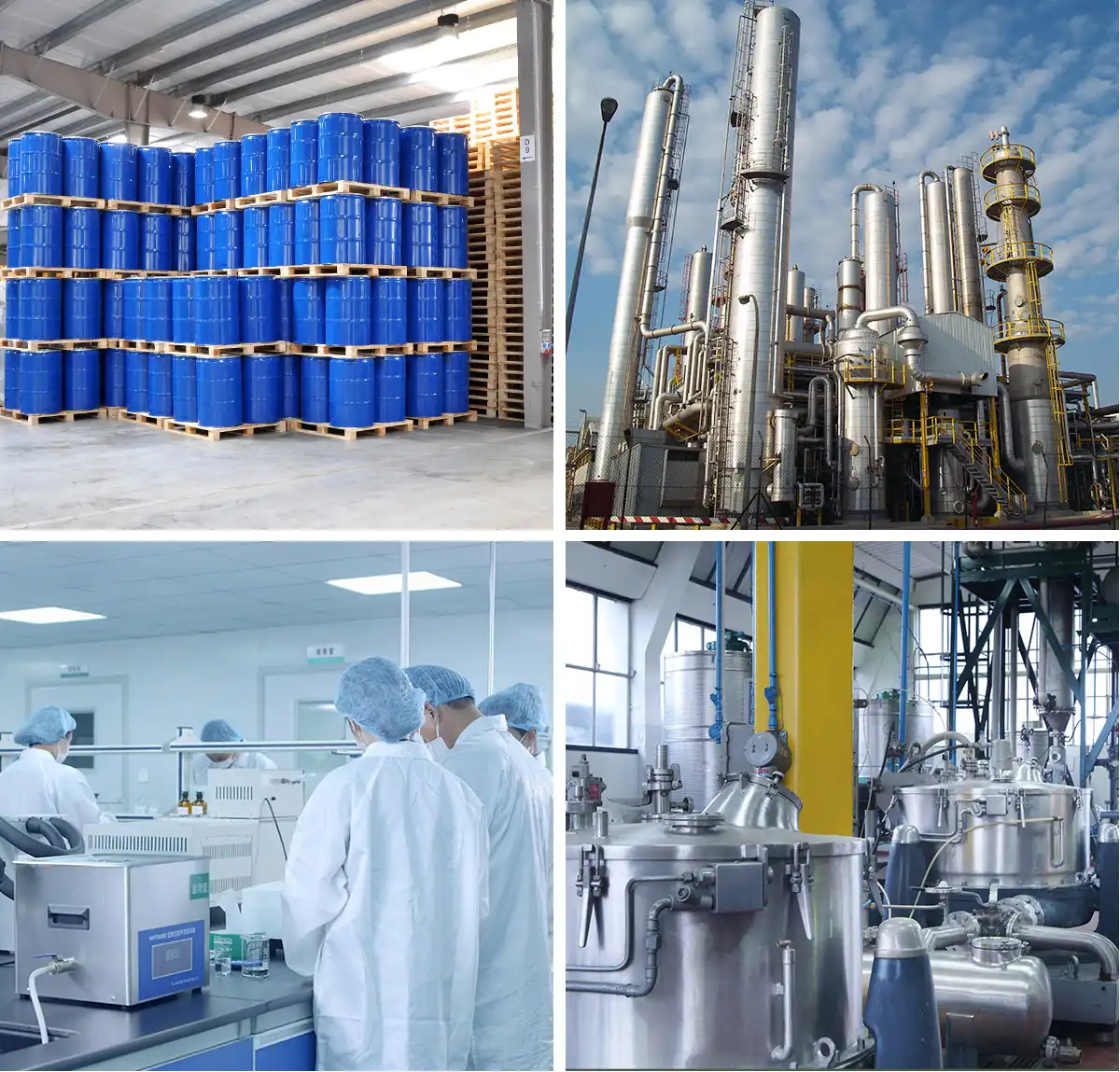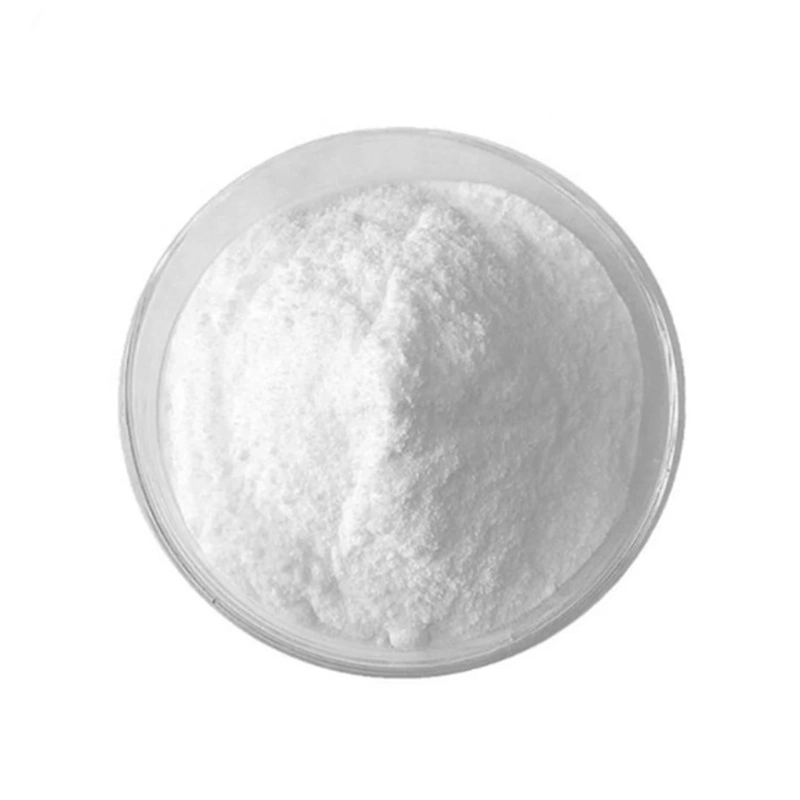
Officially designated as 2-methyl-3-hydroxy-4,5-dihydroxymethylpyridine and commonly referred to as vitamin B6 or pyridoxine, this compound is predominantly formulated in its pharmaceutical grade as pyridoxine hydrochloride for medicinal deployment. The hydrochloride salt typically manifests as a white to pale yellow crystalline powder that undergoes melting accompanied by decomposition between $204\,^\circ\text{C}$ and $206\,^\circ\text{C}$. Exhibiting high solubility in water, ethanol, and acetone coupled with restricted solubility in ether, the substance possesses a characteristic acidic and bitter taste profile; while stable under standard atmospheric conditions, it gradually degrades upon prolonged exposure to sunlight and exhibits a tendency to sublime.
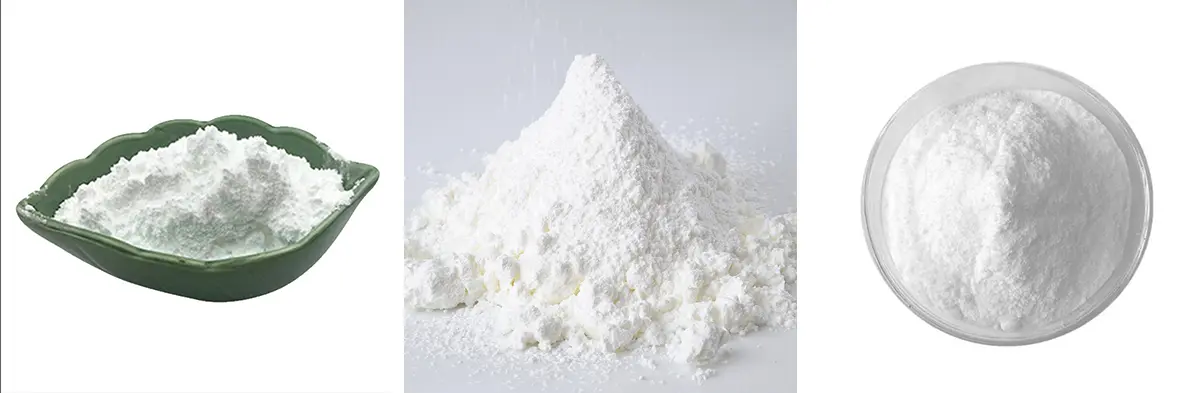
Upon reaction with ferric chloride, the compound produces a characteristic reddish-brown coloration. It occurs naturally across a broad array of dietary sources—including rice bran, fresh vegetables, yeast, molasses, and natural lipids—and can be synthesized industrially via chemical precursors such as methyl methoxyacetate, acetone, and ethyl cyanoacetate. In clinical practice, it is administered to prevent and manage pregnancy-induced emesis, radiation sickness, isoniazid toxicity, and the gastrointestinal adverse effects associated with chemotherapeutic agents. Furthermore, it is occasionally utilized as an adjunctive therapeutic intervention for pellagra and specific nutritional deficiency syndromes.
| Melting point | 214-215 °C(lit.) |
| density | 1.2784 (rough estimate) |
| vapor density | 7.1 (vs air) |
| refractive index | 1.5800 (estimate) |
| Fp | 9℃ |
| storage temp. | room temp |
| solubility | H2O: 0.1 g/mL at 20 °C, clear, colorless |
| form | Crystalline Powder |
| color | White to almost white |
| PH Range | 3.2 |
| biological source | synthetic (organic) |
| Water Solubility | 0.1 g/mL (20 ºC) |
| Sensitive | Light Sensitive |
| Merck | 147982 |
| BRN | 3632435 |
| BCS Class | 1 |
| Stability: | Stable. Protect from air and light. |
| LogP | -1.098 (est) |
| CAS DataBase Reference | 58-56-0(CAS DataBase Reference) |
| EPA Substance Registry System | 5-Hydroxy-6-methyl-3,4-pyridinedimethanol, hydrochloride (58-56-0) |
Safety Information
| Hazard Codes | Xi,T,F |
| Risk Statements | 36/37/38-39/23/24/25-23/24/25-11 |
| Safety Statements | 26-37/39-45-36/37-16-7-24/25 |
| RIDADR | UN1230 - class 3 - PG 2 - Methanol, solution |
| WGK Germany | 2 |
| RTECS | UV1350000 |
| F | 45879 |
| TSCA | Yes |
| HS Code | 29362500 |
| Hazardous Substances Data | 58-56-0(Hazardous Substances Data) |