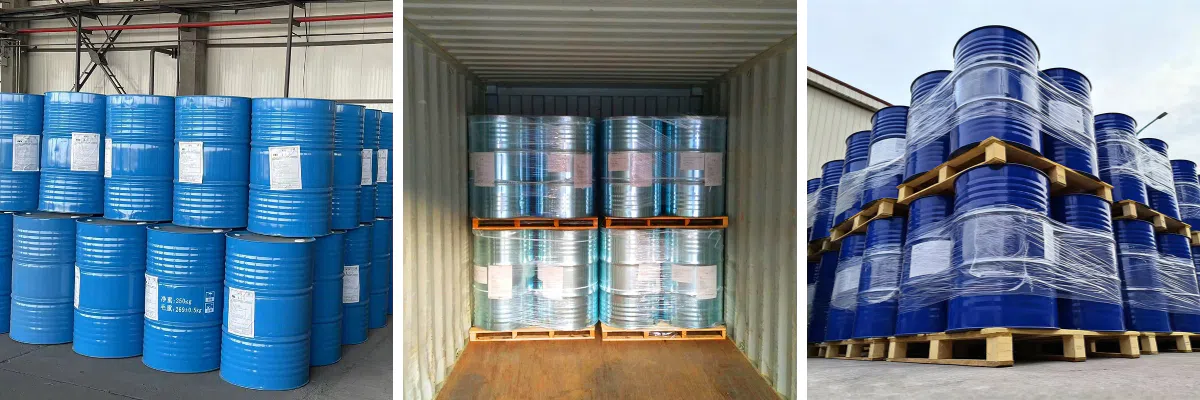
Product Description
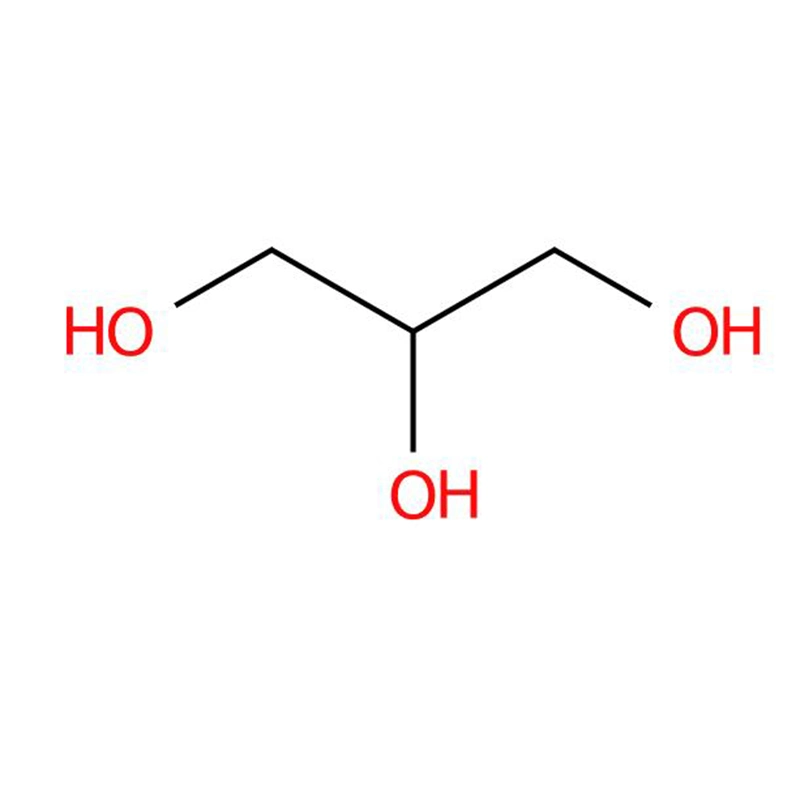
Glycerin (Glycerol) is an important basic organic chemical raw material with a wide range of industrial and commercial applications. It is widely used in pharmaceuticals, cosmetics, food processing, alkyd resin manufacturing, tobacco products, textile printing and dyeing, papermaking, metal processing, paints, and daily chemical products. With its excellent moisturizing, solvent, and stabilizing properties, glycerin serves as a valuable ingredient in numerous formulations. It can also be metabolized by the human body and contribute to energy production. While traditional applications in alkyd resins, celluloid, and certain industrial chemicals have gradually declined, demand in pharmaceuticals, cosmetics, food, and personal care products continues to expand. Glycerin also plays an important role in petrochemicals, military-related industries, and various specialty manufacturing processes, making it a versatile and essential industrial material.
Chemical Properties
| Melting point | 20 °C(lit.) |
| Boiling point | 290 °C |
| density | 1.25 g/mL(lit.) |
| vapor density | 3.1 (vs air) |
| vapor pressure | <1 mm Hg ( 20 °C) |
| refractive index | n20/D 1.474(lit.) |
| FEMA | 2525 | GLYCEROL |
| Fp | 320 °F |
| storage temp. | Store at +5°C to +30°C. |
| solubility | H2O: 5 M at 20 °C, clear, colorless |
| pka | 14.15(at 25℃) |
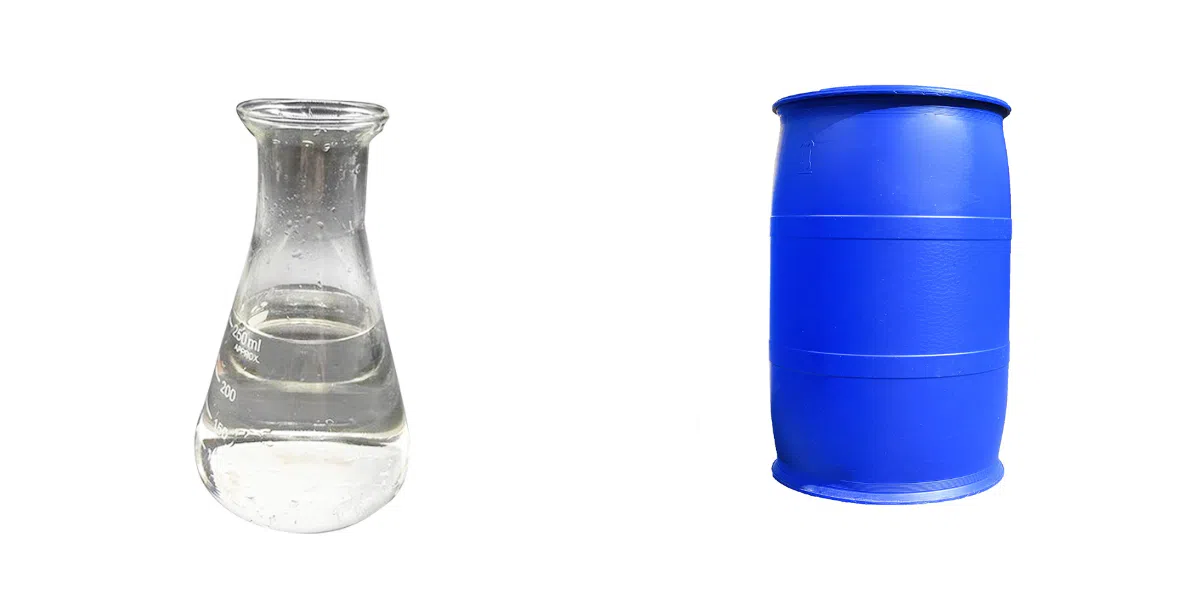
| form | Viscous Liquid |
| color | APHA: ≤10 |
| Specific Gravity | 1.265 (15/15℃)1.262 |
| Odor | Odorless. |
| PH Range | 5.5 - 8 |
| PH | 5.5-8 (25℃, 5M in H2O) |
| explosive limit | 2.6-11.3%(V) |
| Odor Type | odorless |
| biological source | synthetic (organic) |
| Water Solubility | >500 g/L (20 ºC) |
| Sensitive | Hygroscopic |
| λmax | λ: 260 nm Amax: 0.05 λ: 280 nm Amax: 0.04 |
| Merck | 14,4484 |
| JECFA Number | 909 |
| BRN | 635685 |
| Dielectric constant | 47.0(Ambient) |
| Exposure limits | OSHA: TWA 15 mg/m3; TWA 5 mg/m3 |
| Stability: | Stable. Incompatible with perchloric acid, lead oxide, acetic anhydride, nitrobenzene, chlorine, peroxides, strong acids, strong bases. Combustible. |
| InChIKey | PEDCQBHIVMGVHV-UHFFFAOYSA-N |
| LogP | -2.32 |
| Surface tension | 64mN/m at 20°C |
| CAS DataBase Reference | 56-81-5(CAS DataBase Reference) |
| NIST Chemistry Reference | 1,2,3-Propanetriol(56-81-5) |
| EPA Substance Registry System | Glycerine (56-81-5) |
| Absorption | ≤0.02 at 280nm in H2O at 0.5M ≤0.07 at 260nm in H2O at 0.5M |
Safety Information
| Hazard Codes | F,Xn |
| Risk Statements | 36-20/21/22-11 |
| Safety Statements | 24/25-39-26 |
| RIDADR | UN 1282 3/PG 2 |
| WGK Germany | 1 |
| RTECS | MA8050000 |
| F | 3 |
| Autoignition Temperature | 698 °F |
| TSCA | Yes |
| HS Code | 29054500 |
| Hazardous Substances Data | 56-81-5(Hazardous Substances Data) |
| Toxicity | LD50 in rats (ml/kg): >20 orally; 4.4 i.v. (Bartsch) |
Product Application
Glycerine is an important basic organic chemical raw material with extensive applications across various industrial sectors. It possesses excellent hygroscopic, moisturizing, antifreeze, lubricating, and solvent properties, making it a versatile ingredient in numerous formulations. It is also an essential raw material in the production of polyester resins, pharmaceuticals, and certain industrial chemicals. In the food industry, glycerol is widely used as a humectant to maintain moisture in bread, cakes, and other baked goods, as well as a carrier solvent for flavors, pigments, and preservatives. It also functions as a thickener in beverages and wine products, and as a plasticizer in confectionery, desserts, and processed meat products. Additionally, glycerol is used as a coloring aid and lubricant in food processing and packaging equipment. In pharmaceutical and cosmetic manufacturing, it serves as an effective moisturizer, softening agent, viscosity modifier, and solvent, contributing to product stability, texture, and overall performance.