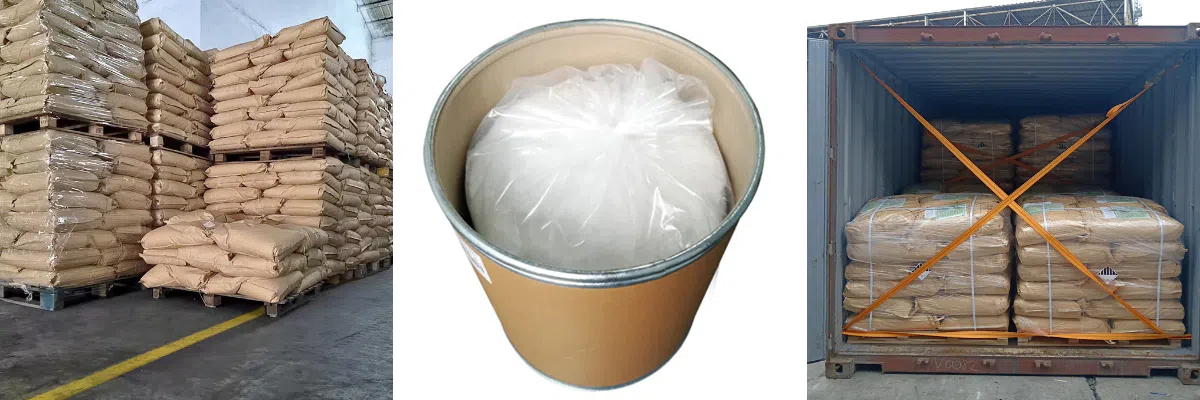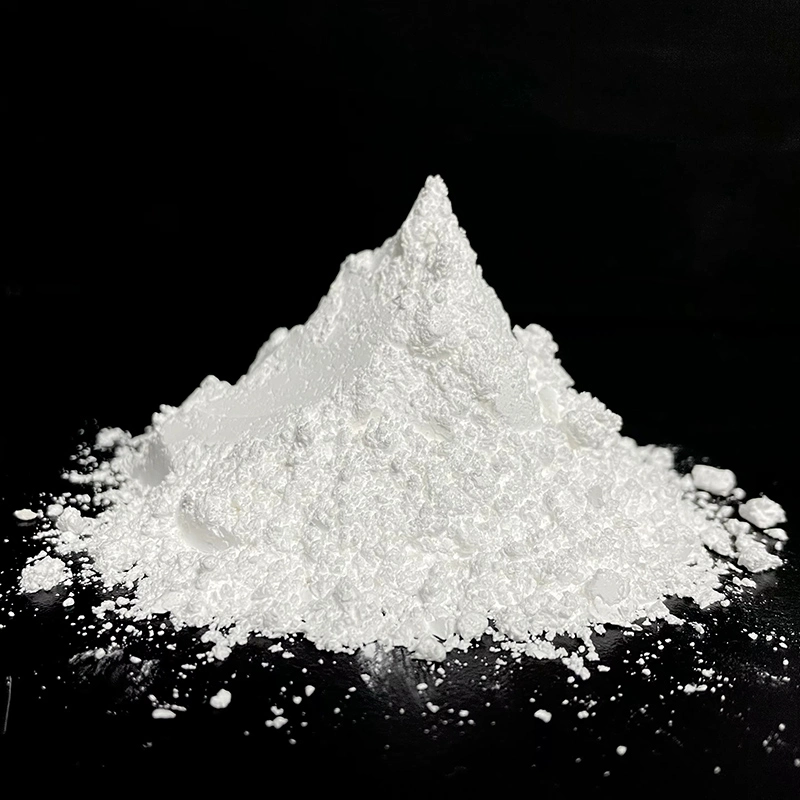
Isoquinoline-5-Carbaldehyde CAS#80278-67-7 Product Description
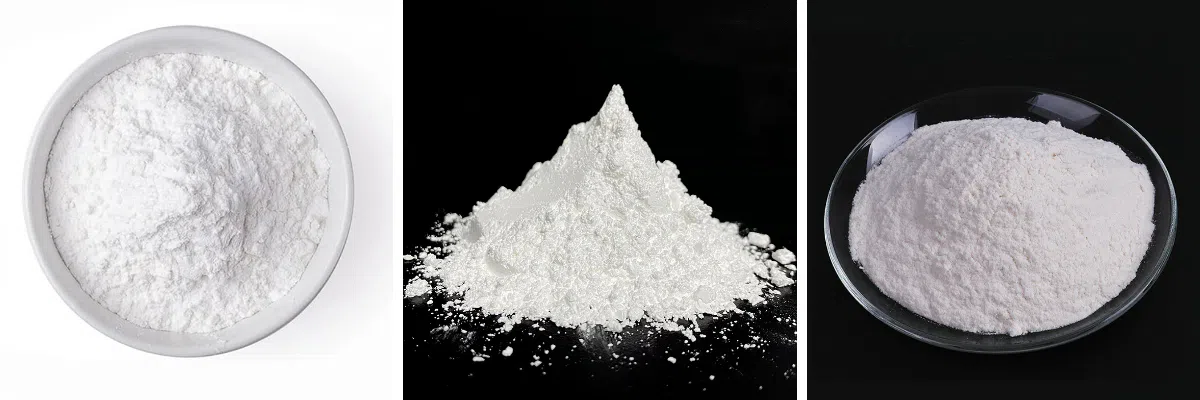
Isoquinoline-5-carboxaldehyde is an important nitrogen-containing heterocyclic compound with extensive applications in pharmaceutical research and organic chemical synthesis. It is generally obtained as a white to pale-yellow or light-orange crystalline powder. The compound exhibits a melting point of 116–120 °C, while its predicted boiling point is approximately 331.7 ± 15.0 °C. Its predicted density is 1.223 ± 0.06 g/cm³. Featuring a reactive aldehyde functional group attached to an isoquinoline ring system, this compound serves as a versatile synthetic intermediate for the preparation of pharmaceutical intermediates, substituted heterocyclic derivatives, and other functional organic molecules. Its distinctive chemical structure and reactivity make it a useful building block in medicinal chemistry, pharmaceutical development, and advanced organic synthesis.
Isoquinoline-5-Carbaldehyde CAS#80278-67-7 Chemical Properties
| Melting point | 116-120 °C |
| Boiling point | 331.7±15.0 °C(Predicted) |
| density | 1.223±0.06 g/cm3(Predicted) |
| storage temp. | Keep in dark place,Sealed in dry,Room Temperature |
| form | powder to crystal |
| pka | 4.53±0.13(Predicted) |
| color | White to Light yellow |
| Sensitive | Air Sensitive |
| BRN | 112875 |
| CAS DataBase Reference | 80278-67-7(CAS DataBase Reference) |
Isoquinoline-5-Carbaldehyde CAS#80278-67-7 Safety Information
| Hazard Codes | Xn |
| Risk Statements | 36/37/38-36-22 |
| Safety Statements | 26-36 |
| WGK Germany | 3 |
| HazardClass | IRRITANT |
| HS Code | 29334900 |
Isoquinoline-5-Carbaldehyde CAS#80278-67-7 Product Application
1. Pharmaceutical Intermediates
Can be used as a synthetic intermediate for isoquinoline-based pharmaceutical candidate molecules.
Suitable for the construction of nitrogen-containing heterocyclic compounds with potential biological activities.
Can be used in the design and synthesis of novel pharmaceutical candidate molecules.
Serves as a basic building block for pharmaceutical molecular structure optimization and derivative development.
2. Medicinal Chemistry Research
Can be used in the design of pharmaceutical molecules containing an isoquinoline structure.
Its aldehyde group can participate in condensation and other derivatization reactions to construct pharmaceutical candidate molecules with diverse structures.
Suitable for structure-activity relationship (SAR) studies of novel small-molecule compounds.
Serves as a synthetic building block for drug lead screening and molecular structure optimization.
3. Fine Chemical Synthesis
Can be used in the synthesis of various isoquinoline compounds and their derivatives.
Serves as an important organic synthesis building block for nitrogen-containing fused heterocyclic compounds.
Its aldehyde group can undergo oxidation, reduction, condensation and other chemical reactions to produce different types of organic compounds.
Suitable for the development of customized chemicals, specialty organic intermediates and high-value fine chemicals.
4. Bioactive Compound Research
Can be used in the design and synthesis of isoquinoline derivatives with potential biological activities.
Suitable for research into nitrogen-containing heterocyclic compounds with potential antibacterial and antitubercular activities.
Serves as a starting material for the screening and development of novel bioactive small-molecule compounds.
Applicable to drug discovery, molecular structure design and laboratory pharmacological research.