Product Details
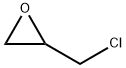
Epichlorohydrin is an organochlorine compound belonging to the epoxide family. Besides serving as an industrial‑grade solvent, it features high chemical reactivity, making it a key feedstock for producing glycerin, plastics, epoxy‑resin‑based adhesives, hydrocarbon resins and elastomers.
Additionally, it participates in the synthesis of glycidyl nitrate and alkaline phosphonium salts. It also functions as a solvent for cellulose, various resins and coatings, and can be applied as an insect fumigant. In biochemistry research, it acts as a cross‑linking agent for preparing Sephadex size‑exclusion chromatography resins.
Nevertheless, epichlorohydrin is a suspected carcinogen. Exposure may trigger multiple adverse effects targeting the respiratory tract and kidneys. Commercially, it is synthesized through the reaction of allyl chloride with hypochlorous acid in the presence of alcohols.
Chemical Properties
| Melting point | -57 °C |
| alpha | -1~+1°(D/20℃)(c=1,CH3OH) |
| Boiling point | 115-117 °C(lit.) |
| density | 1.183 g/mL at 25 °C(lit.) |
| vapor density | 3.2 (vs air) |
| vapor pressure | 13.8 mm Hg ( 21.1 °C) |
| refractive index | n20/D 1.438(lit.) |
| Fp | 93 °F |
| storage temp. | Store below +30°C. |
| solubility | 65.9g/l |
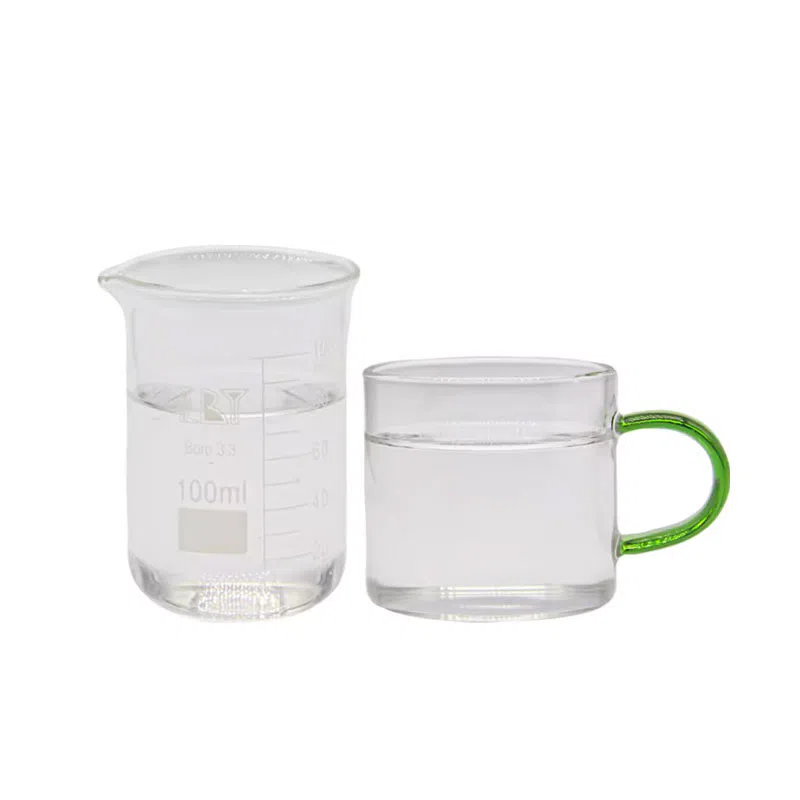
| form | Liquid |
| color | APHA: ≤20 |
| Specific Gravity | 1.183 (20/4℃) |
| Odor | Pungent, garlic; sweet, pungent; like chloroform. |
| explosive limit | 3.8-21%(V) |
| Water Solubility | 6 g/100 mL (10 ºC) |
| FreezingPoint | -57.2℃ |
| Merck | 14,3611 |
| BRN | 79785 |
| Henry's Law Constant | 3.42(x 10-5 atm?m3/mol) at 25 °C (static headspace-GC, Welke et al., 1998) |
| Exposure limits | TLV-TWA(skin) 8 mg/m3 (2 ppm) (ACGIH); STEL (15 min) 19 mg/m3 (5 ppm) (NIOSH). |
| Dielectric constant | 22.9(20℃) |
| Stability: | Unstable. Flammable - note wide explosion limits and low flash point. |
| LogP | 0.45 at 20℃ |
| CAS DataBase Reference | 106-89-8(CAS DataBase Reference) |
| IARC | 2A (Vol. 11, Sup 7, 71) 1999 |
| NIST Chemistry Reference | Oxirane, (chloromethyl)-(106-89-8) |
| EPA Substance Registry System | Epichlorohydrin (106-89-8) |
Safety Information
| Hazard Codes | T |
| Risk Statements | 45-10-23/24/25-34-43 |
| Safety Statements | 53-45 |
| RIDADR | UN 2023 6.1/PG 2 |
| WGK Germany | 3 |
| RTECS | TX4900000 |
| Autoignition Temperature | 779 °F |
| TSCA | Yes |
| HS Code | 2910 30 00 |
| HazardClass | 6.1 |
| PackingGroup | II |
| Hazardous Substances Data | 106-89-8(Hazardous Substances Data) |
| Toxicity | LD50 orally in rats: 0.09 g/kg (Smyth, Carpenter) |
| IDLA | 75 ppm |
Product Usage
Its dominant commercial‑scale application lies in the production of glycerol. Substantial volumes are also consumed in non‑glycerol‑related fields, predominantly for manufacturing various epoxy resins. Besides that, it serves as a solvent and a feedstock for epichlorohydrin‑modified rubber synthesis.
Epichlorohydrin acts as a key building‑block chemical for the production of glycerol, epoxy resins, adhesives and casting materials. Its derived derivatives find broad utilization in dyes, pharmaceuticals, surfactants and plasticizers. Furthermore, it can be deployed as a solvent for resins, gums, paints and varnishes.