
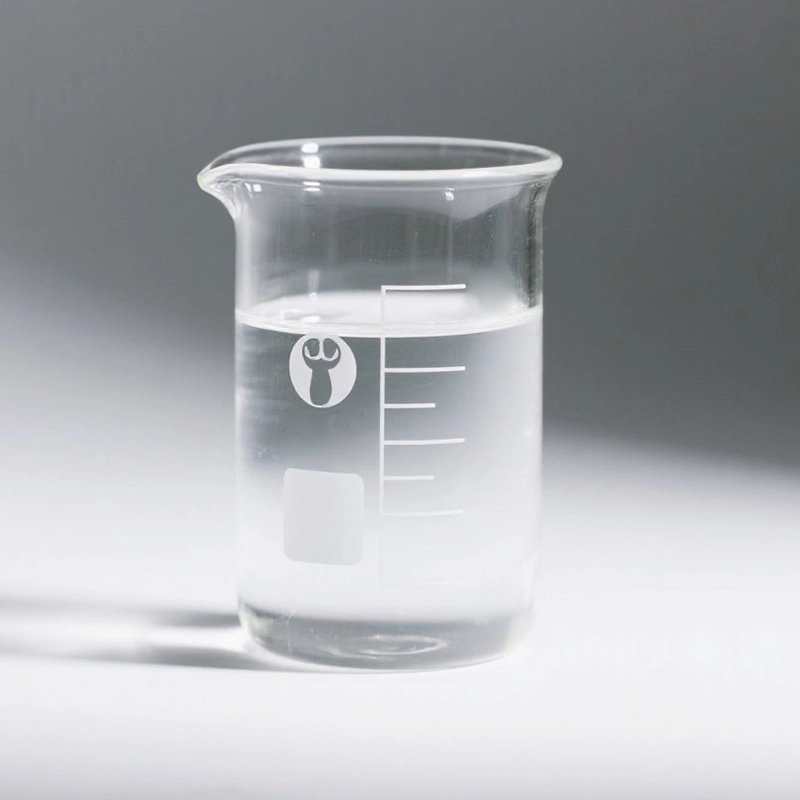
Products Description of Isopropyl alcoholCAS#67-63-0
Isopropyl alcohol, also commonly named 2‑propanol, is the simplest secondary alcohol and a structural isomer of n‑propanol. It is a clear, colorless and highly flammable liquid with a characteristic odor reminiscent of a mild blend of ethanol and acetone.
Miscible with water, alcohols, ethers, chloroform and numerous other organic solvents, isopropyl alcohol is capable of forming an azeotropic mixture with water. Its key physical‑chemical parameters are as follows: density 0.7863 g/cm³, melting point‑88.5 °C, boiling point 82.5 °C, flash point 11.7 °C, auto‑ignition temperature 460 °C, refractive index 1.3772.
Its vapors may produce mild irritation to eyes, nose and throat, and the substance can be absorbed through human skin. Vapors mixed with air can form explosive atmospheres with a volume‑percentage explosion limit ranging from 2.0 % to 12 %, classifying it as a moderately explosive hazardous material. Isopropyl alcohol is categorized as flammable with low‑to‑moderate toxicity; its vapor exhibits roughly twice the toxicity level of ethanol, while its oral toxicity differs significantly from ethanol.
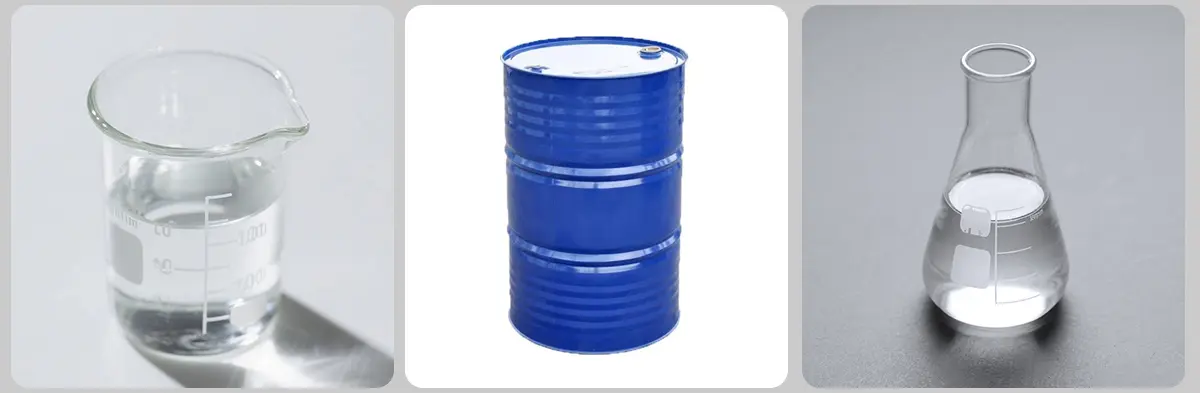
Isopropyl alcohol Chemical Properties
| Melting point | -89.5 °C |
| Boiling point | 82 °C(lit.) |
| density | 0.785 g/mL at 25 °C(lit.) |
| vapor density | 2.1 (vs air) |
| vapor pressure | 33 mm Hg ( 20 °C) |
| refractive index | n20/D 1.377(lit.) |
| FEMA | 2929 | ISOPROPYL ALCOHOL |
| Fp | 53 °F |
| storage temp. | Store at +5°C to +30°C. |
| solubility | water: soluble (completely) |
| pka | 17.1(at 25℃) |
| form | Low Melting Solid |
| Specific Gravity | approximate 0.785(20/20℃)(Ph.Eur.) |
| color | colorless |
| Relative polarity | 0.546 |
| Odor | Like ethyl alcohol; sharp, somewhat unpleasant; characteristic mild alcoholic; nonresidual. |
| Odor Threshold | 26ppm |
| Odor Type | alcoholic |
| explosive limit | 2-13.4%(V) |
| Water Solubility | miscible |
| FreezingPoint | -89.5℃ |
| λmax | λ: 260 nm Amax: 0.02 λ: 280 nm Amax: 0.01 |
| Merck | 14,5208 |
| JECFA Number | 277 |
| BRN | 635639 |
| Exposure limits | TLV-TWA 980 mg/m3 (400 ppm); STEL 1225 mg/m3 (500 ppm) (ACGIH); IDLH 12,000 ppm (NIOSH). |
| Dielectric constant | 18.0(Ambient) |
| Stability: | Volatile |
| LogP | 0.050 |
| CAS DataBase Reference | 67-63-0(CAS DataBase Reference) |
| NIST Chemistry Reference | Isopropyl alcohol(67-63-0) |
| IARC | 3 (Vol. 15, Sup 7, 71) 1999 |
| EPA Substance Registry System | Isopropanol (67-63-0) |
Product Application of Isopropyl alcohol CAS#67-63-0
Isopropyl alcohol represents a vital chemical product and raw material. It is widely deployed as a dehydrating agent and cleaning agent within pharmaceutical, cosmetic, plastic, fragrance, coating and electronic‑manufacturing industries.
In analytical laboratories, it functions as a reagent for quantitative determination of barium, calcium, nickel, potassium, sodium and strontium, and serves as reference standard material for chromatographic analysis. Within circuit‑board production, it acts as a high‑efficiency cleaning agent and assists in conductive hole formation for PCBs. Additionally, it cleans various electronic hardware components, including CD‑ROM housings, floppy‑disk drives, magnetic tapes, and laser reading heads for CD / DVD optical drives.
Isopropyl alcohol works as printing solvent for flexography, lithography and gravure processes, and serves as equipment‑cleaning fluid. It is a common formulation ingredient for printing inks, and a fundamental laboratory solvent for sample dilution and liquid‑liquid extraction workflows.
For automotive‑related applications, it is formulated into gasoline additives and acts as anti‑icing agent for fuel pipelines.
In pharmaceutical and cosmetic manufacturing, it is incorporated into scrub solutions, hand‑body lotions, preservatives and pharmaceutical rubefacient agents. It also finds broad usage in paints, thinners, coatings, industrial cleaners and polishing formulations, as well as surface sanitization for hospitals and food‑processing facilities.
As an economical multipurpose solvent for industrial and consumer‑grade goods, isopropyl alcohol frequently replaces ethanol for extraction operations. It dissolves oils and colloidal substances and is applied in fish‑meal feed concentrate production. Lower‑grade isopropyl alcohol can be blended into automotive fuels.
Though its consumption as feedstock for acetone synthesis keeps declining, isopropyl alcohol remains a building‑block chemical for manufacturing many derivatives: isopropyl esters, methyl isobutyl ketone, isopropylamine, diisopropyl ether, isopropyl acetate, thymol and various ester compounds.
Multiple commercial grades are available according to end‑user requirements. Regular‑grade isopropyl alcohol reaches ≥99% purity, whereas premium special‑spec grades achieve ≥99.8% purity, which are preferred for flavor‑making and pharmaceutical‑grade production.


