Methyl Isobutyl Ketone CAS#108-10-1 Product Description
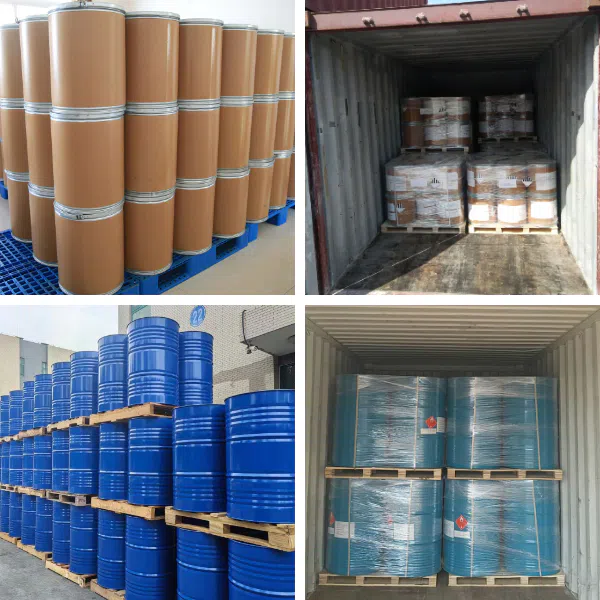
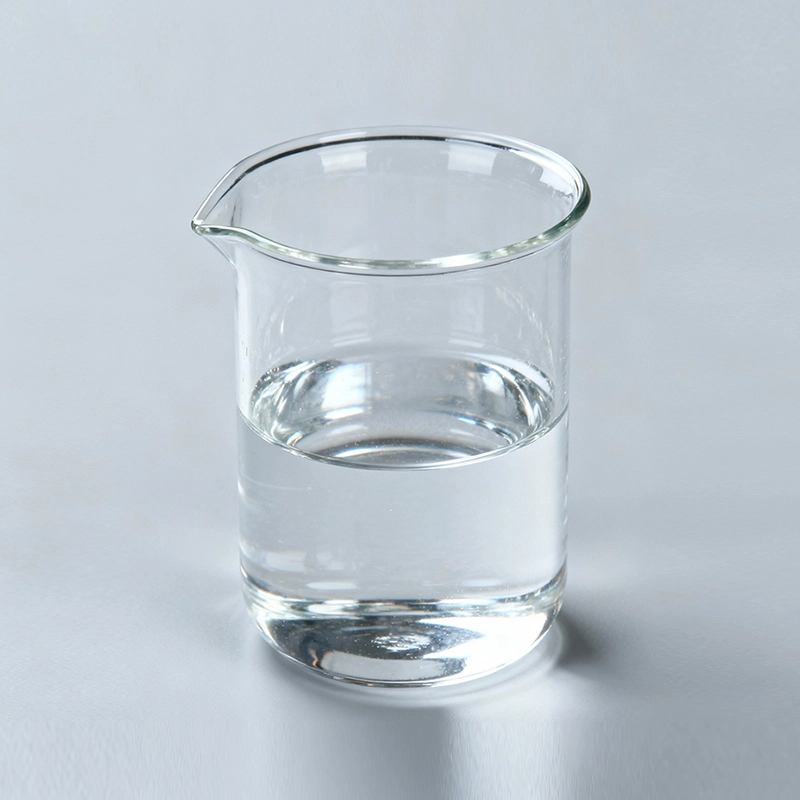
Methyl Isobutyl Ketone(MIBK) is a clear, colorless aliphatic ketone liquid with a mild characteristic ketonic odor. It features medium evaporation rate, good solvency for cellulosics, acrylic, alkyd, epoxy and vinyl resins, slight solubility in water and full miscibility with most organic solvents. Widely applied as active solvent for coatings, inks, adhesives, extraction solvent for rare metals, pharmaceuticals and oil dewaxing, and also used as chemical intermediate for rubber antiozonants. Purity ≥99.5% min, packed in 200L iron drums or bulk ISO tank. It is a flammable liquid, handle with proper ventilation and fire prevention measuresArkema.
Methyl Isobutyl Ketone CAS#108-10-1 Chemical Properties
| Item | Specification |
|---|---|
| Chemical Name | Methyl Isobutyl Ketone |
| Synonym | 4-Methyl-2-pentanone |
| CAS No. | 108-10-1 |
| Molecular Formula | C₆H₁₂O |
| Molecular Weight | 100.16 |
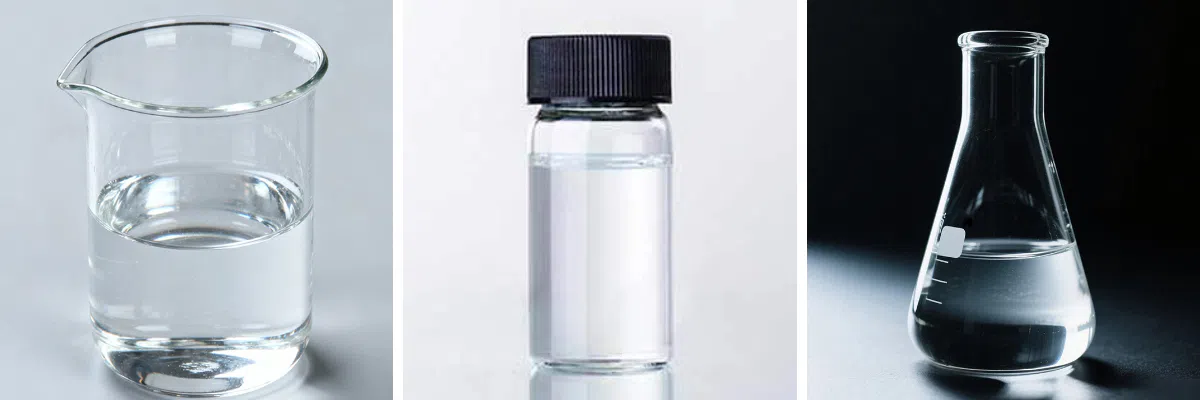
| Appearance | Clear, colourless liquid |
| Odour | Mild characteristic ketonic odour |
| Density (20°C) | 0.800 ~ 0.803 g/cm³ |
| Boiling Point | 116 °C |
| Flash Point (Closed Cup) | 14 ~ 16 °C |
| Solubility in Water | Sparingly soluble |
| Miscibility | Fully miscible with most organic solvents |
| Evaporation Rate | Medium |
| Stability | Stable under normal storage conditions |
| Flammability | Flammable liquid |
Methyl Isobutyl Ketone CAS#108-10-1 Safety Information
| Item | Details |
|---|---|
| UN No. | UN 1245 |
| Transport Hazard Class | Class 3 (Flammable Liquid), Packing Group II |
| GHS Signal Word | Danger |
| GHS Hazard Statements | H225: Highly flammable liquid and vapour H319: Causes serious eye irritation H332: Harmful if inhaled H336: May cause drowsiness or dizziness H351: Suspected of causing cancer EUH066: Repeated exposure may cause skin dryness or cracking |
| First Aid - Inhalation | Remove victim to fresh air; rest. Seek medical advice if discomfort persists. |
| First Aid - Skin Contact | Take off contaminated clothing. Rinse skin thoroughly with plenty of water. |
| First Aid - Eye Contact | Rinse eyes continuously with running water for at least 15 minutes; remove contact lenses if easy. Seek medical help. |
| First Aid - Ingestion | Do NOT induce vomiting. Seek immediate medical attention. |
| Fire Fighting Media | Foam, dry chemical powder, CO₂. Do not use direct water jet. Cool exposed containers with water spray. |
| Storage Requirements | Keep tightly sealed. Store away from heat, ignition sources, oxidizers. Keep in well-ventilated area. |
| Personal Protection | Safety goggles, chemical-resistant gloves, protective clothing; adequate ventilation or respiratory protection if vapour builds up. |
| Spill Handling | Eliminate all ignition sources. Absorb spill with inert absorbent material. Prevent entry into drains / waterways. |
Methyl Isobutyl Ketone CAS#108-10-1 Product Application
1.Chemical Industry: Widely used as a surfactant, dispersant, and wetting agent in various chemical manufacturing processes. It helps enhance system homogeneity and stability, improve reaction efficiency, and maintain product quality. In the production of plastics, rubber, fibers, and other materials, it can also improve raw material processing and handling performance.
2.Personal Care and Household Products: An important functional ingredient in cosmetics, shampoos, shower gels, and other daily care products. It helps enhance product texture, stability, and overall performance. In shampoos and body washes, it contributes to foaming, cleansing, and conditioning effects.
3.Pharmaceutical Industry: Used as a drug carrier and solvent to facilitate drug delivery and absorption, potentially improving bioavailability. It can also serve as an emulsifying and dispersing agent in certain topical pharmaceutical formulations.
4.Other Industrial Applications:
Textile Industry: Applied in fabric printing, dyeing, and finishing processes to improve fabric softness and dyeing performance.
Oilfield Industry: Used in oil-water separation processes to support more efficient oil extraction operations.
Agrochemical Industry: Functions as a pesticide dispersant, helping improve formulation uniformity and application effectiveness.