
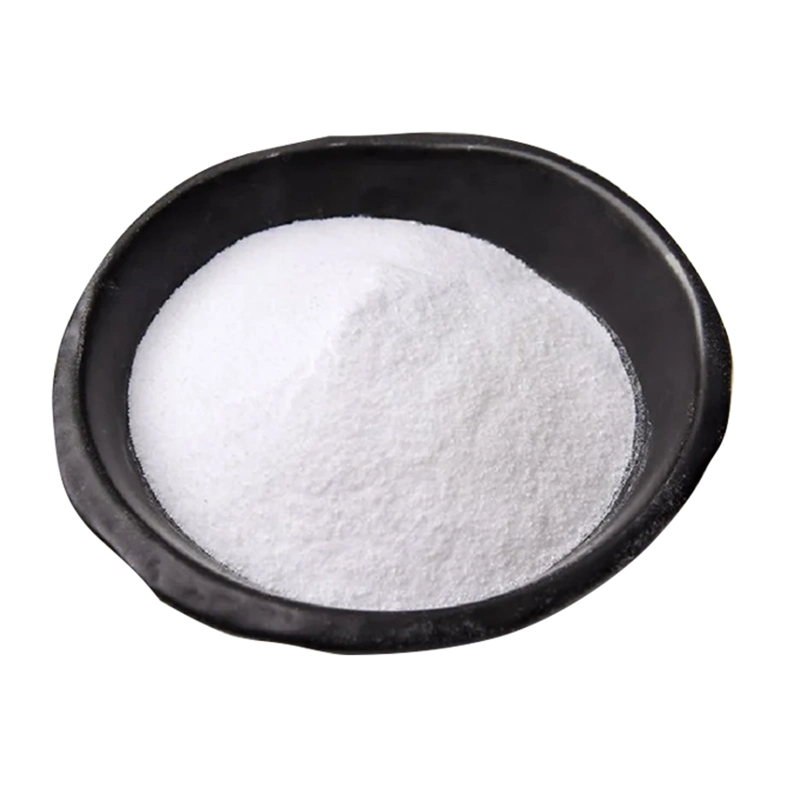
Thiourea dioxide CAS#1758-73-2
Thiourea dioxide, also named carboxamidine sulfinic acid or aminoiminomethanesulfinic acid, is chemically stable and shows neither oxidizing nor reducing activity under normal‑state conditions. It appears as odorless, colorless‑to‑white acicular crystals or crystalline powder.
It has a relative molecular weight of 108.12 and a relative density of 1.4, with a decomposition melting point at 126 °C. At room temperature, its water solubility is about 2‑3 %, and its aqueous solution is neutral to weakly alkaline.
This substance decomposes at 50‑60 °C or within alkaline solutions, liberating sulfinic acid and urea. It dissolves in concentrated sulfuric acid, is sparingly soluble in acetic acid, and is insoluble in conventional organic solvents. Thiourea dioxide keeps stable under dry and low‑temperature surroundings; however, it will turn yellow and generate heat upon exposure to high temperature and high humidity. Precipitation may take place when temperature exceeds 30 °C. Its oral LD₅₀ for rats is 2260 mg/kg.
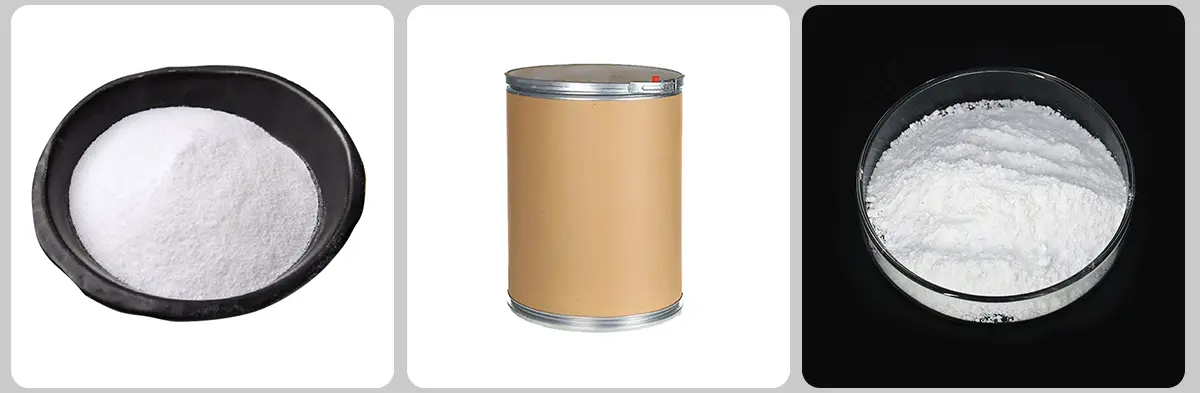
Thiourea dioxide Chemical Properties
| Melting point | 124-127 °C (dec.)(lit.) |
| Boiling point | 355.3±25.0 °C(Predicted) |
| density | 1.68 |
| vapor pressure | 0Pa at 25℃ |
| refractive index | 1.6550 (estimate) |
| storage temp. | 2-8°C |
| solubility | 27g/l |
| pka | 2.40±0.10(Predicted) |
| form | Crystalline Powder |
| color | White |
| PH | 4 (10g/l, H2O, 20℃) |
| Water Solubility | 30 g/L (20 ºC) |
| Sensitive | Moisture Sensitive |
| BRN | 506653 |
| InChIKey | FYOWZTWVYZOZSI-UHFFFAOYSA-N |
| LogP | -3.37 at 25℃ |
| CAS DataBase Reference | 1758-73-2(CAS DataBase Reference) |
| EPA Substance Registry System | Methanesulfinic acid, aminoimino- (1758-73-2) |
| Hazard Codes | Xn,Xi |
| Risk Statements | 5-22-36/37/38 |
| Safety Statements | 26-24/25-36 |
| RIDADR | UN 3341 4.2/PG 2 |
| WGK Germany | 1 |
| RTECS | PB0372500 |
| TSCA | Yes |
| HazardClass | 4.2 |
| PackingGroup | II |
| HS Code | 29309070 |
Product Application of Thiourea Dioxide CAS#1758-73-2
Thiourea dioxide is extensively employed as a reducing agent within the printing and dyeing sector. Its practical uses cover wool bleaching, vat‑dye and sulfur‑dye dyeing, reduction for disperse dyeing, as well as discharge printing for color stripping.
In organic‑synthesis workflows, thiourea dioxide reduces ketones, quinones, nitro‑compounds, azo‑compounds, azoxy‑compounds, hydrazo‑compounds and organic sulfides. Further applications include manufacturing various decolorants, acting as a sensitizer for photographic emulsions, and serving as a chemical reagent for separating rare‑metal elements such as rhodium and iridium. Besides, it can enhance the stability of polyethylene.
When added in evaporation and polymerization stages of polyacrylonitrile production, thiourea dioxide optimizes the color quality of finished materials, making it a critical auxiliary agent for synthetic‑fiber manufacture. It also finds broad utilization for fine‑chemical production fields including pharmaceuticals and flavors & fragrances.


