3,6-Dibromopyridazide CAS#17973-86-3 Product Description
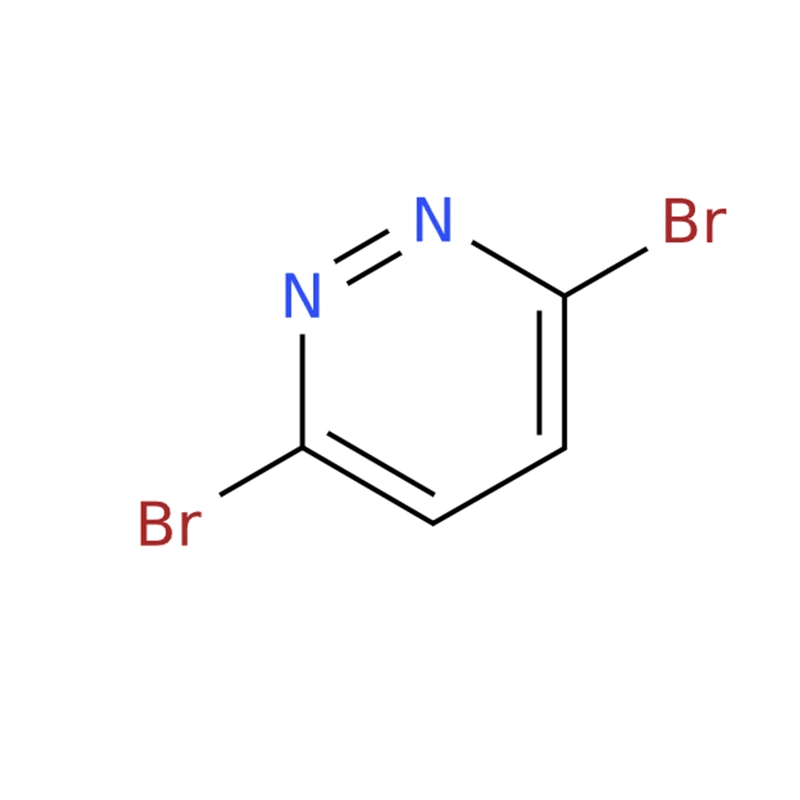
3,6-Dibromopyridazine is a brominated nitrogen-containing heterocyclic organic compound with the molecular formula C₄H₂Br₂N₂ and a molecular weight of 237.88 g/mol. It is registered under CAS No. 17973-86-3 and features a pyridazine ring substituted with two bromine atoms. Its main physical and chemical properties include a melting point of 116–117°C, a boiling point of approximately 327.5 ± 22.0°C, and a density of 2.2 ± 0.1 g/cm³. At 25°C, its reported vapor pressure is 0.0 ± 0.7 mmHg, while its flash point is approximately 151.9 ± 22.3°C. The compound can generally be stored under room-temperature conditions when appropriate storage precautions are followed. Due to its distinctive heterocyclic structure and bromine substituents, 3,6-Dibromopyridazine is primarily utilized as a biochemical research reagent in life science studies and serves as a useful chemical building block for investigating and preparing pyridazine-based derivatives.
3,6-Dibromopyridazide CAS#17973-86-3 Chemical Properties
| Melting point | 116 °C |
| Boiling point | 327.5±22.0 °C(Predicted) |
| Density | 2?+-.0.06 g/cm3(Predicted) |
| Storage temp | Keep in dark place,Sealed in dry,Room Temperature |
| Pka | -1.18±0.10(Predicted) |
| Form | Solid |
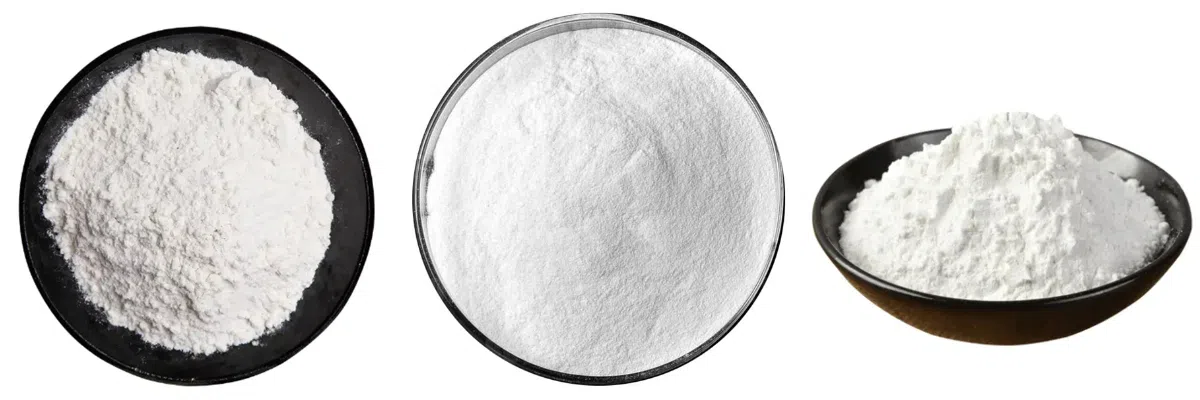
| Color | White to pale yellow |
| InChI | InChI=1S/C4H2Br2N2/c5-3-1-2-4(6)8-7-3/h1-2H |
| InChIKey | VQAFMTSSCUETHA-UHFFFAOYSA-N |
| SMILES | C1(Br)=NN=C(Br)C=C1 |
3,6-Dibromopyridazide CAS#17973-86-3 Safety Information
| Hazard Codes | Xn |
| Risk Statements | 36/37/38-20/21/22-22 |
| Safety Statements | 26-36/37/39-22-37/39-36/37-24/25 |
| WGK Germany | 3 |
| Hazard Note | Harmful |
| HS Code | 29339900 |
3,6-Dibromopyridazide CAS#17973-86-3 Product Application
3,6-Dibromopyridazine is an important nitrogen-containing heterocyclic compound widely employed as a pharmaceutical intermediate and a versatile building block in organic synthesis. It is used in the preparation of various pyridazine derivatives and other specialized organic compounds for pharmaceutical research and chemical development. In addition to its applications in pharmaceutical synthesis, it is also associated with broader chemical industry uses, including the development and production of dyes, pesticides, and fragrance-related products. Its brominated pyridazine ring structure provides opportunities for further chemical functionalization, making it a useful starting material for the synthesis of diverse heterocyclic compounds and specialty chemicals.