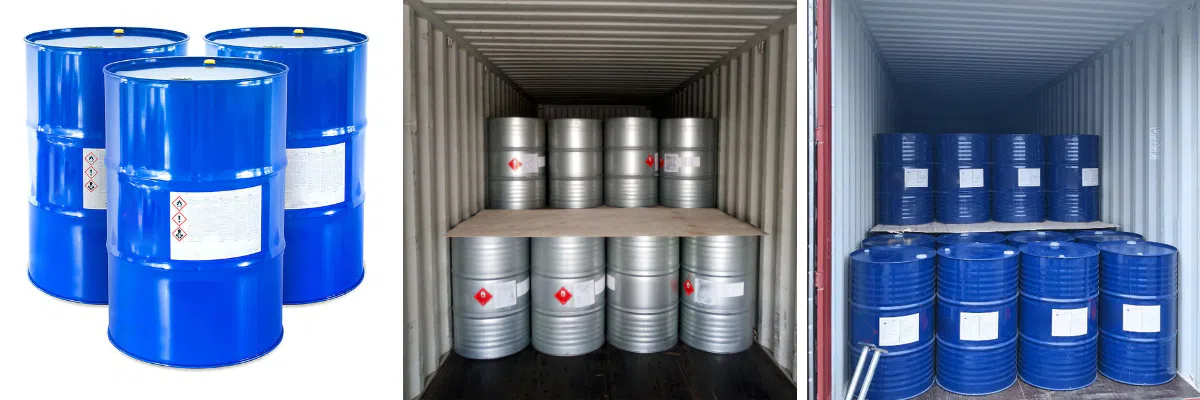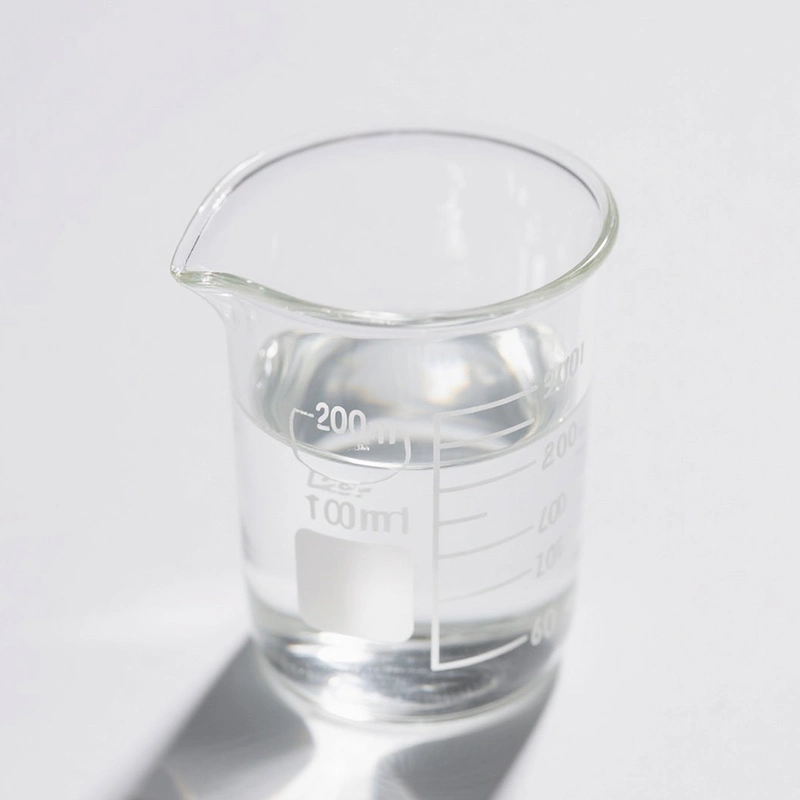
DIMETHYL DICARBONATE CAS#4525-33-1 Product Description
Dimethyl dicarbonate (DMDC), commercially known as Vigorin, is a widely recognized beverage preservative used primarily in fruit juice and other non-alcoholic beverage applications. It is designated as food additive INS 242 and is utilized for microbial control in accordance with applicable food safety regulations and permitted usage limits.
DMDC exhibits broad-spectrum antimicrobial activity against various spoilage microorganisms and contaminating bacteria commonly encountered in fruit juice beverages. Its effectiveness can be maintained under ambient as well as low-temperature processing conditions. The preservative mechanism is primarily associated with its ability to react with and inactivate essential enzyme proteins within microbial cells, disrupting vital metabolic processes and inhibiting microbial growth, thereby helping to prevent beverage spoilage and extend product shelf life.
Compared with conventional thermal and other physical sterilization methods, DMDC offers several processing advantages, including relatively low treatment costs, straightforward application procedures, and compatibility with beverage preservation processes. As a non-thermal microbial control agent, it can help minimize the undesirable changes in taste, aroma, and color that may occur during intensive heat treatment, allowing beverages to retain more of their original sensory characteristics. Consequently, DMDC has attracted considerable attention as an effective preservative and as an important component in the development of modern non-thermal beverage sterilization and preservation technologies.
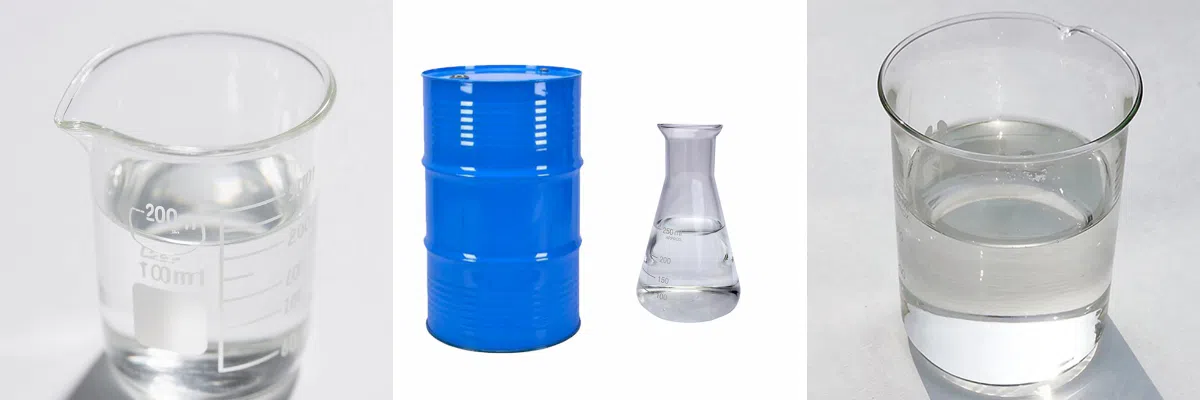
DIMETHYL DICARBONATE CAS#4525-33-1 Chemical Properties
| Melting point | 15-17°C |
| Boiling point | 45-46 °C5 mm Hg(lit.) |
| Density | 1.25 g/mL at 25 °C(lit.) |
| Vapor pressure | 0.7 hPa (20 °C) |
| Refractive index | n20/D 1.392(lit.) |
| Fp | 80 °C |
| Storage temp. | Store below +30°C. |
| Solubility | 35g/l (decomposition) |
| Form | Oil |
| Color | Colourless |
| Explosive limit | 3-29.9%(V) |
| BRN | 956715 |
| Stability | Moisture Sensitive |
| LogP | 0.082 (est) |
| EPA Substance Registry System | Dicarbonic acid, dimethyl ester (4525-33-1) |
DIMETHYL DICARBONATE CAS#4525-33-1 Safety Information
| Hazard Codes | T |
| Risk Statements | 21/22-23-34 |
| Safety Statements | 18-26-28-36/37/39-38-45 |
| RIDADR | UN 2927 6.1/PG 2 |
| WGK Germany | 3 |
| RTECS | HT0362500 |
| F | 46286 |
| Autoignition Temperature | 465 °C |
| HS Code | 2920 90 10 |
| HazardClass | 6.1(a) |
| PackingGroup | II |
| Hazardous Substances Data | 4525-33-1(Hazardous Substances Data) |
| Toxicity | LD50 orally in Rabbit: 335 mg/kg LD50 dermal Rat > 1250 mg/kg |
DIMETHYL DICARBONATE CAS#4525-33-1 Product Application
Dimethyl dicarbonate (DMDC) is widely utilized as an antimicrobial beverage preservative across a diverse range of liquid products. Its applications include carbonated soft drinks, carbonated and non-carbonated fruit juices, ready-to-drink tea beverages, isotonic and sports drinks, as well as various other beverage formulations. Its broad applicability makes it a valuable ingredient in modern beverage preservation, particularly for controlling microbial contamination and maintaining product quality during storage and distribution.
DMDC has received regulatory approval for specific beverage applications in numerous international markets, including Europe, the United States, and several other countries. Its established use across these regions reflects its importance in the global food and beverage preservation industry. The safety and regulatory status of DMDC have also been evaluated by several recognized international food safety organizations, including the Joint FAO/WHO Expert Committee on Food Additives (JECFA), the European Scientific Committee on Food (SCF), and the U.S. Food and Drug Administration (FDA). These organizations have published scientific assessments and regulatory documentation concerning its use in food and beverage applications, subject to applicable conditions, permitted concentrations, and relevant national regulations.