Polyvinylpyrrolidone CAS# 9003-39-8 Product Description
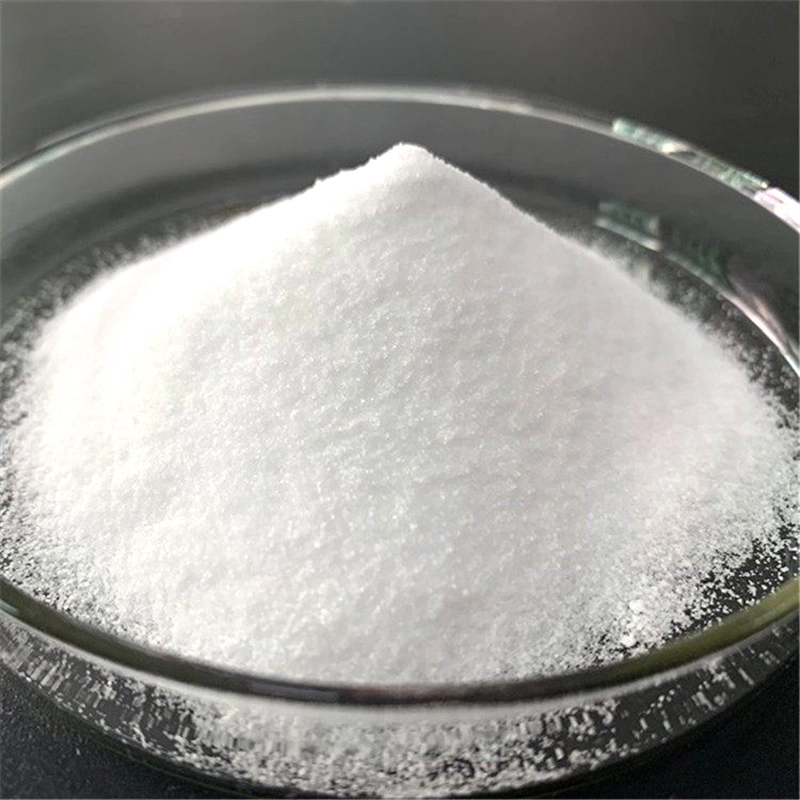
This material is a cross-linked homopolymer derived from pure N-vinylpyrrolidone (NVP), typically supplied as a hygroscopic, free-flowing white to off-white powder with a slight characteristic unpleasant odor. Due to its highly cross-linked polymeric structure, it is insoluble in most conventional solvents, including water, ethanol, and diethyl ether, making conventional molecular-weight characterization challenging. One of its notable properties is its ability to form complexes with various compounds, particularly substances belonging to the polyphenolic and tannin-related groups, which are associated with discoloration and haze formation in wines and other beverages. By selectively binding these compounds, the polymer can facilitate their removal from liquid formulations. Furthermore, its insoluble nature allows the material and the resulting complexes to be readily separated through filtration, making it particularly useful in clarification, stabilization, and purification processes within the beverage industry.
Polyvinylpyrrolidone CAS# 9003-39-8 Chemical Properties
| Melting point | >300 °C |
| Boiling point | 90-93 °C |
| density | 1,69 g/cm3 |
| Tg | 175 |
| bulk density | 330kg/m3 |
| refractive index | (25) 1.5300 |
| refractive index | 1.5300 |
| storage temp. | 2-8°C |
| solubility | H2O: soluble100mg/mL |
| form | powder |
| color | White to yellow-white |
| PH | 3.0-5.0 |
| biological source | synthetic (oragnic) |
| Water Solubility | Soluble in water. |
| Sensitive | Hygroscopic |
| Merck | 14,7697 |
| Stability: | Stable. Incompatible with strong oxidizing agents. Light sensitive. Hygroscopic. |
| InChI | InChI=1S/C8H15NO/c1-3-7(2)9-6-4-5-8(9)10/h7H,3-6H2,1-2H3 |
| InChIKey | FAAHNQAYWKTLFD-UHFFFAOYSA-N |
| SMILES | N1(C(C)CC)C(=O)CCC1 |
| IARC | 3 (Vol. 19, Sup 7, 71) 1987 |
| EPA Substance Registry System | Polyvinylpyrrolidone (9003-39-8) |
Polyvinylpyrrolidone CAS# 9003-39-8 Safety Information
| Safety Statements | 22-24/25 |
| WGK Germany | 1 |
| RTECS | TR8370000 |
| Autoignition Temperature | 440 °C |
| TSCA | Yes |
| HS Code | 39059990 |
| Hazardous Substances Data | 9003-39-8(Hazardous Substances Data) |
| Toxicity | LD50 orally in Rabbit: > 2000 mg/kg |
Polyvinylpyrrolidone CAS# 9003-39-8 Product Application
Polyvinylpyrrolidone (PVP) is a synthetic organic polymer containing characteristic pyrrolidone carbonyl groups and is widely used in various industrial and pharmaceutical applications. Owing to its versatile functional properties, it serves as a clarifying agent, stabilizer, thickener, tablet filler, and dispersant in different formulations. High-molecular-weight PVP, particularly grades with an average molecular weight of approximately 360,000, is commonly employed as an effective clarification agent in the beverage industry. It is widely used in the processing of beer, vinegar, wine, and other liquid products, where it can interact with polyphenolic compounds and other substances responsible for turbidity, haze formation, and undesirable color changes. These interactions facilitate the removal of unwanted components, thereby improving product clarity, appearance, and storage stability.