
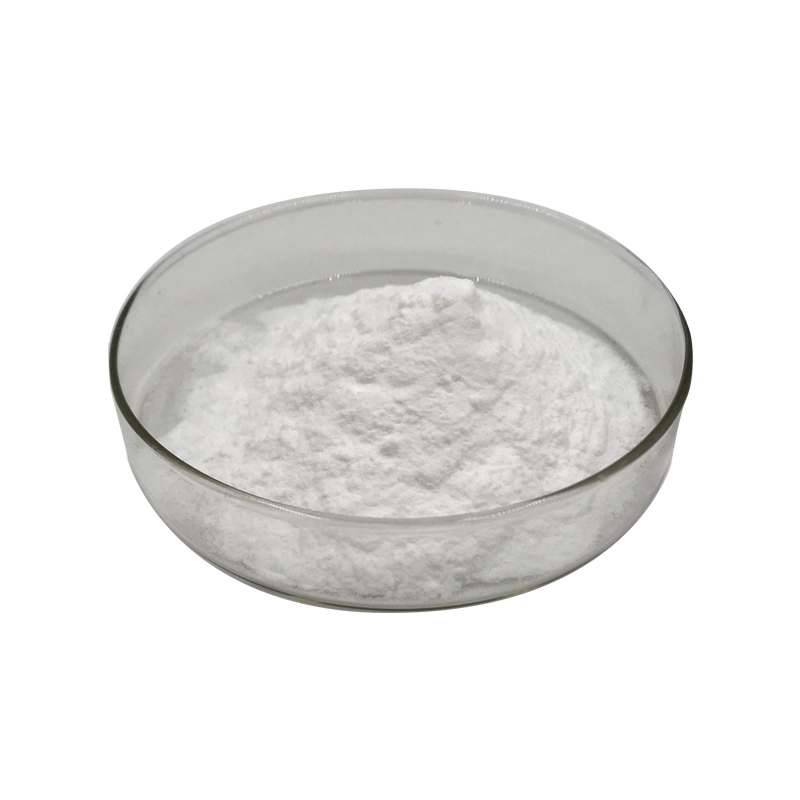
Products Description of Melamine CAS#108-78-1
Melamine, commonly known by its Chinese pinyin “mì'àn”, is a triazine‑based nitrogen‑containing heterocyclic organic compound widely adopted as industrial chemical raw material. It appears as white monoclinic crystals and is nearly odorless. It is slightly soluble in water (3.1 g/L at room temperature), soluble in formaldehyde, zirconium acetate, hot ethylene glycol, glycerol and pyridine, while insoluble in acetone and ethers.
This substance is harmful to human health and must not be applied in food processing or used as food additive. Nevertheless, some unethical merchants once adulterated dairy products with melamine, aiming to falsely raise nitrogen readings during protein‑content testing.
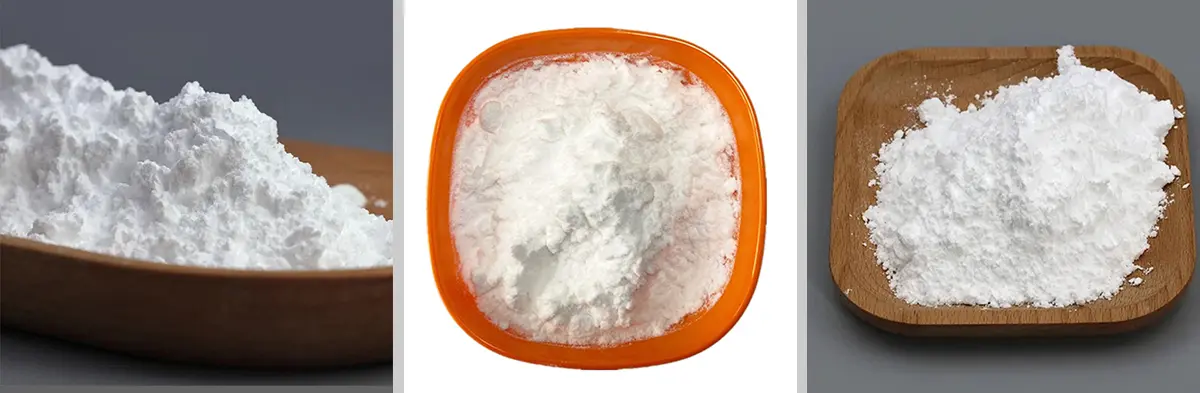
Melamine Chemical Properties
| Melting point | >300 °C (lit.) |
| Boiling point | 224.22°C (rough estimate) |
| density | 1.573 |
| vapor pressure | 66.65 hPa (315 °C) |
| refractive index | 1.872 |
| Fp | >110°C |
| storage temp. | no restrictions. |
| solubility | water: soluble25mg/mL, clear to slightly hazy, colorless |
| pka | 5(at 25℃) |
| form | Fine Crystalline Powder |
| color | White |
| PH | 7-8 (32g/l, H2O, 20℃) |
| Water Solubility | 3 g/L (20 ºC) |
| Merck | 14,5811 |
| BRN | 124341 |
| Stability: | Stable. Incompatible with strong acids, strong oxidizing agents. Nonflammable. |
| InChIKey | JDSHMPZPIAZGSV-UHFFFAOYSA-N |
| LogP | -1.22 at 20℃ |
| CAS DataBase Reference | 108-78-1(CAS DataBase Reference) |
| NIST Chemistry Reference | 1,3,5-Triazine-2,4,6-triamine(108-78-1) |
| IARC | 2B (Vol. Sup 7, 73, 119) 2019 |
| EPA Substance Registry System | Melamine (108-78-1) |
Product Application of Melamine CAS#108-78-1
Melamine is an important nitrogen‑containing heterocyclic organic chemical intermediate manufactured from urea as raw material. Gaining growing market recognition for its favorable environmental‑friendly properties and versatile performance, it finds extensive applications across multiple sectors including wood‑processing, plastics, coatings, water‑reducing agents, papermaking, adhesives, textiles, leather, electrical appliances, pharmaceuticals and flame‑retardant industries.
After decades‑long development, China has developed proprietary semi‑dry process technology for melamine production. Meanwhile, domestic manufacturers have digested and absorbed advanced foreign process technologies and equipment, which has further strengthened the overall competitiveness of China’s melamine industry. Currently, China has become the world’s largest production base and exporter of melamine.


