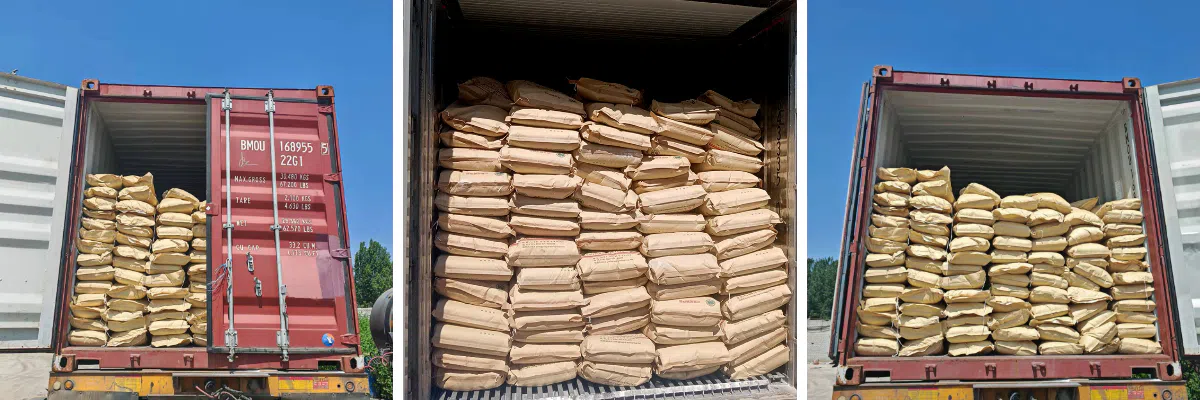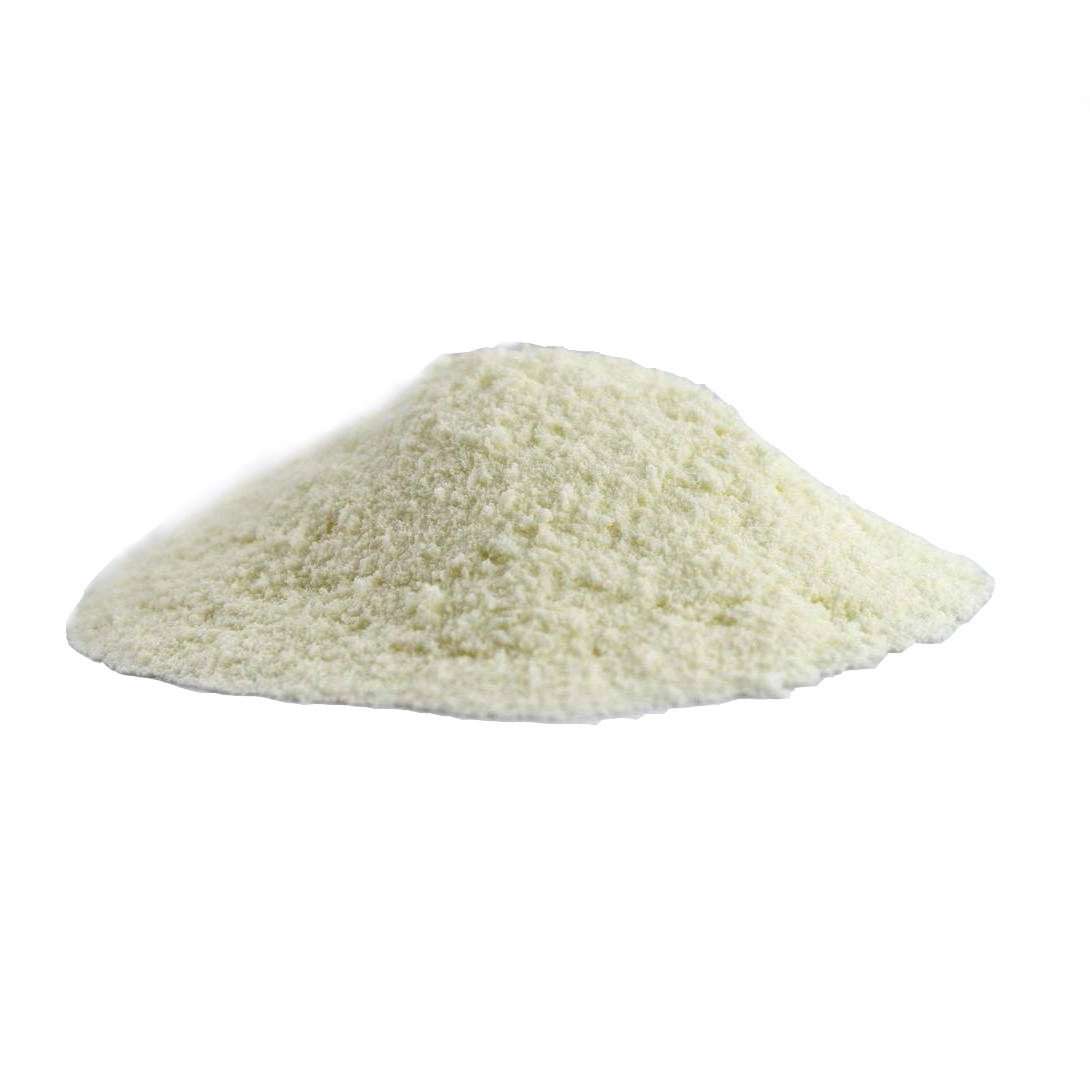
PTBP CAS#98-54-4 Product Description
4-tert-Butylphenol (PTBP) is an important organic chemical compound belonging to the phenolic family. Under normal temperature and pressure conditions, it typically appears as a white crystalline solid. It is readily soluble in a variety of organic solvents, including ethanol, diethyl ether, and benzene, while being practically insoluble in water. These solubility characteristics make it suitable for use in various organic synthesis processes and industrial chemical formulations.
As a phenolic compound, 4-tert-Butylphenol exhibits characteristic chemical properties associated with its hydroxyl functional group. It can undergo typical phenolic reactions, including neutralization with alkaline substances to form the corresponding phenolate salts. The presence of the tert-butyl group also influences its chemical reactivity and physical properties, making it a useful intermediate in the preparation of specialty chemicals and other organic derivatives. Owing to its distinctive molecular structure and versatile chemical properties, PTBP has applications in fine chemical manufacturing and various industrial synthesis processes.
PTBP CAS#98-54-4 Chemical Properties
| Melting point | 96-101 °C (lit.) |
| Boiling point | 236-238 °C (lit.) |
| density | 0.908 g/mL at 25 °C (lit.) |
| vapor pressure | 1 mm Hg ( 70 °C) |
| refractive index | 1.4787 |
| FEMA | 3918 | P-TERT-BUTYLPHENOL |
| Fp | 113 °C |
| storage temp. | Store below +30°C. |
| solubility | ethanol: soluble50mg/mL, clear, colorless |
| form | Flakes or Pastilles |
| pka | 10.23(at 25℃) |
| color | White to light beige |
| Specific Gravity | 0.908 |
| Odor | at 1.00 % in propylene glycol. oakmoss leather |
| PH | 7 (10g/l, H2O, 20℃) |
| explosive limit | 0.8-5.3%(V) |
| Odor Type | leathery |
| Water Solubility | 8.7 g/L (20 ºC) |
| JECFA Number | 733 |
| Merck | 141585 |
| BRN | 1817334 |
| Stability: | Stable. Incompatible with copper, steel, bases, acid chlorides, acid anhydrides, oxidizing agents. |
| InChIKey | QHPQWRBYOIRBIT-UHFFFAOYSA-N |
| LogP | 3 at 23℃ |
| CAS DataBase Reference | 98-54-4(CAS DataBase Reference) |
| NIST Chemistry Reference | Phenol, p-tert-butyl-(98-54-4) |
| EPA Substance Registry System | p-tert-Butylphenol (98-54-4) |
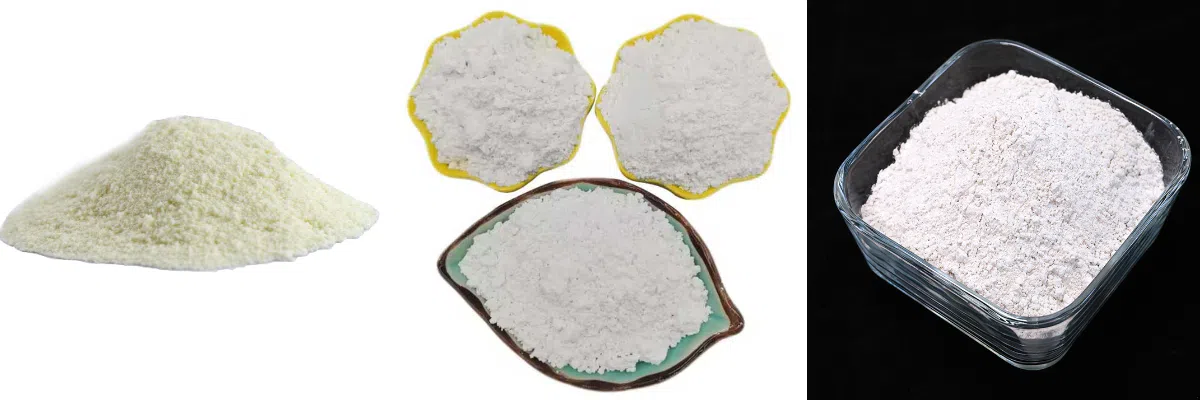
PTBP CAS#98-54-4 Safety Information
| Hazard Codes | Xi,N |
| Risk Statements | 37/38-41-51/53-62-38-37-34 |
| Safety Statements | 26-39-61-36/37/39-45 |
| RIDADR | UN 3077 9/PG 3 |
| WGK Germany | 2 |
| RTECS | SJ8925000 |
| TSCA | Yes |
| HazardClass | 8 |
| PackingGroup | III |
| HS Code | 29071900 |
| Hazardous Substances Data | 98-54-4(Hazardous Substances Data) |
| Toxicity | LD50 orally in rats: 3.25 ml/kg (Smyth) |
PTBP CAS#98-54-4 Product Application
4-tert-Butylphenol (PTBP) is a versatile organic chemical intermediate with a broad range of applications in the agrochemical, pharmaceutical, rubber, fragrance, and polymer industries. In the pesticide sector, it serves as an important starting material for the synthesis of various crop protection chemicals, including the acaricide acetylinate and the fungicide spiroxamine. Its chemical properties and stabilizing capabilities also make it suitable for use as an antioxidant and stabilizing agent in rubber, soap, chlorinated hydrocarbon products, and nitrocellulose formulations, helping improve product stability and resistance to degradation.
Beyond its agrochemical applications, 4-tert-Butylphenol is widely used as a raw material in the manufacture of pharmaceuticals, insect-repellent products, fragrances, and synthetic resins. It can also be incorporated into various industrial formulations as an additive in plasticizers, solvents, dyes, and protective coatings. In the petroleum and energy sectors, it finds applications in the preparation of oilfield demulsifiers and as a functional additive in certain automotive and industrial lubricating oils.
Owing to its versatile chemical reactivity and functional properties, 4-tert-Butylphenol is an important intermediate for specialty chemical production, supporting applications across multiple industrial sectors, including agrochemicals, pharmaceuticals, polymers, coatings, and petroleum processing.