
Product Overview
Antioxidant 168, chemically known as Tris(2,4-di-tert-butylphenyl) phosphite, is a high-performance phosphite-based secondary antioxidant widely used in the polymer and plastics industries. It is designed to improve the thermal and oxidative stability of polymer materials during manufacturing, processing, and recycling.
Antioxidant 168 works by decomposing hydroperoxides generated during polymer oxidation into non-radical products, helping reduce oxidation-related degradation. This mechanism supports the protection of polymer molecular structure, processing performance, and product appearance. It is particularly useful in applications involving elevated processing temperatures and repeated thermal exposure.
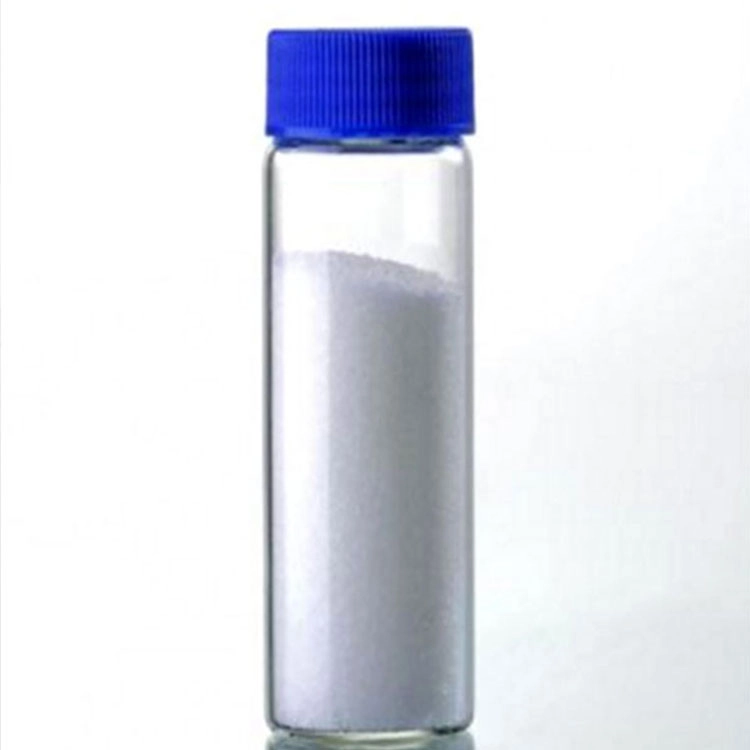
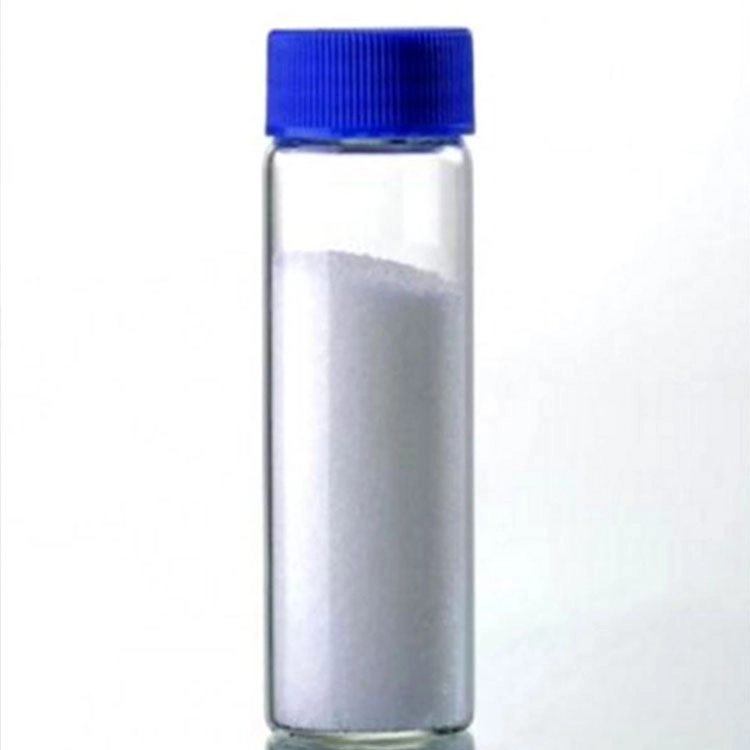
The product is commonly supplied as a white crystalline powder or granules. It has a molecular formula of C₄₂H₆₃O₃P and a molecular weight of 646.94 g/mol. It is generally insoluble in water and has good compatibility with various polymer systems.
Antioxidant 168 Chemical Properties
Melting point | 181-184 °C(lit.) |
Boiling point | 594.2±50.0 °C(Predicted) |
density | -0.98 |
Fp | 46°C (115°F) |
storage temp. | 2-8°C |
solubility | Acetonitrile (Slightly), Chloroform (Sparingly), Ethyl Acetate (Sparingly, Heate |
form | Powder |
Specific Gravity | 0.98 |
color | white |
Hydrolytic Sensitivity | 4: no reaction with water under neutral conditions |
Sensitive | moisture sensitive |
Stability: | Moisture Sensitive |
InChIKey | JKIJEFPNVSHHEI-UHFFFAOYSA-N |
LogP | 18 at 25℃ |
CAS DataBase Reference | 31570-04-4(CAS DataBase Reference) |
EPA Substance Registry System | Tris(2,4-di-tert-butylphenyl) phosphite (31570-04-4) |
Safety Information
WGK Germany | - |
TSCA | Yes |
HS Code | 2920900002 |
Main Applications
Polyethylene (PE): Improves thermal and oxidative stability during processing.
Polypropylene (PP): Helps prevent degradation during extrusion and molding.
ABS Resins: Supports processing stability and color protection.
Polycarbonate (PC): Helps protect materials against thermal oxidation.
Polyester Resins (PET): Used as part of polymer stabilization systems.
Polystyrene (PS): Supports thermal stability during manufacturing.
Polyamide (PA): Helps maintain material properties during processing.
Elastomers and Rubber: Used in selected rubber and elastomer stabilization formulations.
Plastic Compounds and Masterbatches: Used in antioxidant blends and polymer additive formulations.
Recycled Plastics: Helps reduce oxidative degradation during reprocessing.


