
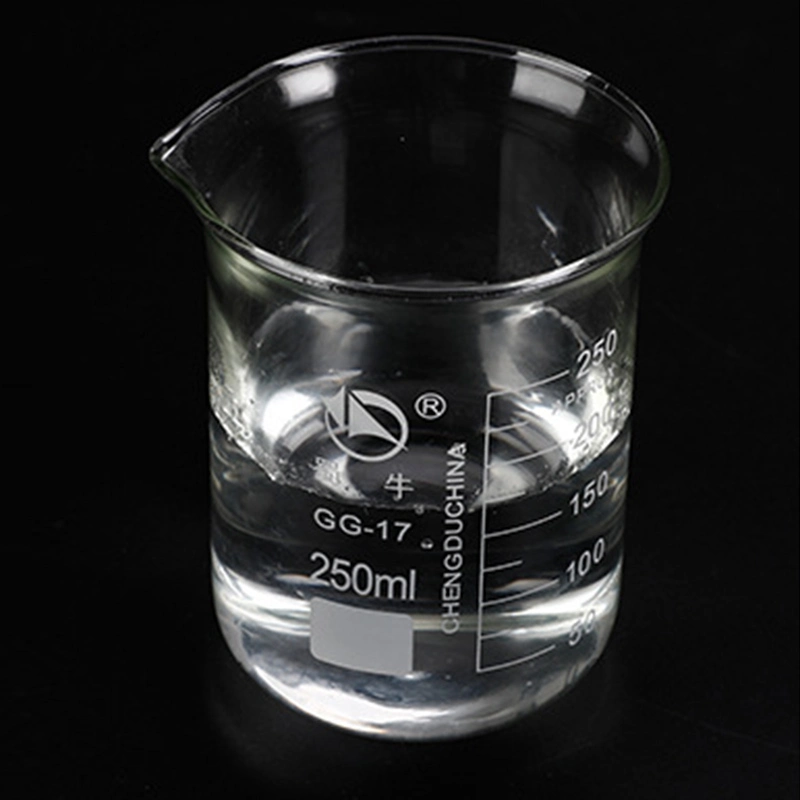
Products Description
Dichloromethane (DCM) is a colorless, volatile liquid characterized by a distinctive ether-like, pungent odor. Its excellent miscibility with alcohols and ethers, together with its limited solubility in water, makes it a versatile solvent for a wide range of industrial and chemical applications. It has been widely used in industrial processes, particularly as a solvent and paint remover, and has also been utilized in pharmaceutical applications as an inhalation anesthetic and in agriculture as a growth regulator and fertilizer-related chemical. However, dichloromethane presents significant health hazards. Exposure to high concentrations may produce narcotic effects and adversely affect the central nervous system. Inhalation can irritate the nose and throat, while prolonged or repeated exposure raises serious health concerns, including potential carcinogenic effects.
Chemical Properties
Melting point | -97 °C |
Boiling point | 39.8-40 °C mm Hg(lit.) |
density | 1.325 g/mL at 25 °C(lit.) |
vapor density | 2.9 (vs air) |
vapor pressure | 24.45 psi ( 55 °C) |
refractive index | n20/D |
Fp | 39-40°C |
storage temp. | room temp |
solubility | Miscible in ethyl acetate, alcohol, hexanes, methanol, diethyl ether, n-octanol, acetone benzene, carbon tetrachloride, diethyl ether and chloroform. |
form | Liquid |
color | APHA: ≤10 |
Specific Gravity | 1.329 (20/20℃) |
Odor | Odor threshold 160 to 230 ppm |
PH | 7 (20°C) |
Odor Threshold | 160ppm |
explosive limit | 13-22%(V) |
Water Solubility | 20 g/L (20 ºC) |
λmax | λ: 235 nm Amax: 1.00 |
Merck | 14,6063 |
BRN | 1730800 |
Henry's Law Constant | 2.49 at 30 °C (headspace-GC, Sanz et al., 1997) |
Dielectric constant | 9.1(20℃) |
Exposure limits | TLV-TWA 50 ppm (~175 mg/m3) (ACGIH); carcinogenicity: Suspected Human Carcinogen (ACGIH), Animal Sufficient Evidence, Human Inadequate Evidence (IARC). |
Stability: | Volatile |
LogP | 1.250 |
Surface tension | 26.5mN/m at 20°C |
CAS DataBase Reference | 75-09-2(CAS DataBase Reference) |
NIST Chemistry Reference | Methylene chloride(75-09-2) |
IARC | 2A (Vol. Sup 7, 71, 110) 2017 |
EPA Substance Registry System | Methylene chloride (75-09-2) |
Absorption | in accordance |
Main Applications
Methylene chloride (dichloromethane) is widely used as an industrial solvent, particularly in paint removal and stripping applications. It also serves as an aerosol propellant and a processing solvent in the manufacture of steroids, antibiotics, vitamins, and pharmaceutical tablet coatings. In addition, it is employed as a degreasing agent, especially in electronics manufacturing, and as a blowing agent in the production of polyurethane foam. Its other industrial applications include metal cleaning, polycarbonate resin and triacetate fiber manufacturing, photographic film processing, and ink formulation. Methylene chloride is also utilized as an extraction solvent for various natural products, including spice oleoresins, caffeine, and hops. Owing to its high volatility and strong dissolving capabilities, it is particularly valuable in extraction and separation processes. It exhibits excellent solvency for cellulose esters, fats, oils, resins, and rubber, and has relatively higher water solubility than many other chlorinated solvents. Historically, methylene chloride was also used as a fumigant for agricultural commodities, including strawberries, citrus fruits, and grains.


