Polypropylene glycol Chemical Properties |
Melting point | -40 °C |
Boiling point | >300 °C |
density | 1.01 g/mL at 20 °C |
vapor density | >1 (vs air) |
Pour Point | -26 |
Pour Point | -45 |
vapor pressure | <0.01 mm Hg ( 20 °C) |
refractive index | n20/D 1.451 |
Fp | 230 °C |
storage temp. | Storage temp. 2-8°C |
solubility | H2O: <0.01 % (w/w) at 25 °C |
form | |
Specific Gravity | 1.005 |
color | White to light gray |
Water Solubility | PRACTICALLY INSOLUBLE |
FreezingPoint | -25 |
FreezingPoint | -40 |
Stability: | Stable. Substances to be avoided include strong oxidizing agents. |
LogP | 0.01 at 25℃ |
NIST Chemistry Reference | Polypropylene glycol 425(25322-69-4) |
EPA Substance Registry System | Polypropylene glycol (25322-69-4) |
Product Overview
Polyoxypropylene Glycol (CAS 25322-69-4), also known as Polypropylene Glycol (PPG), is a polyether polymer produced through the polymerization of propylene oxide. It has the general molecular formula H[OCH(CH3)CH2]nOH. Depending on its molecular weight, it can appear as a colorless liquid or solid. It is characterized by good chemical stability, adjustable viscosity, and versatile formulation properties. It is widely used in polyurethane production, industrial lubricants, coatings, and specialty chemical applications.
Safety and Storage
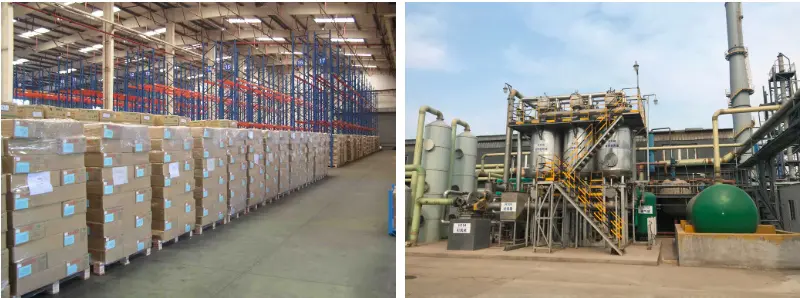
Store in a tightly sealed container in a cool, dry, and well-ventilated area. Protect from excessive heat, direct sunlight, and moisture. Avoid unnecessary contact with skin and eyes. Wear appropriate protective gloves and safety goggles during handling. Prevent contamination with incompatible substances. Follow the supplier's Safety Data Sheet (SDS) for specific handling, storage, and disposal requirements.