Products Description
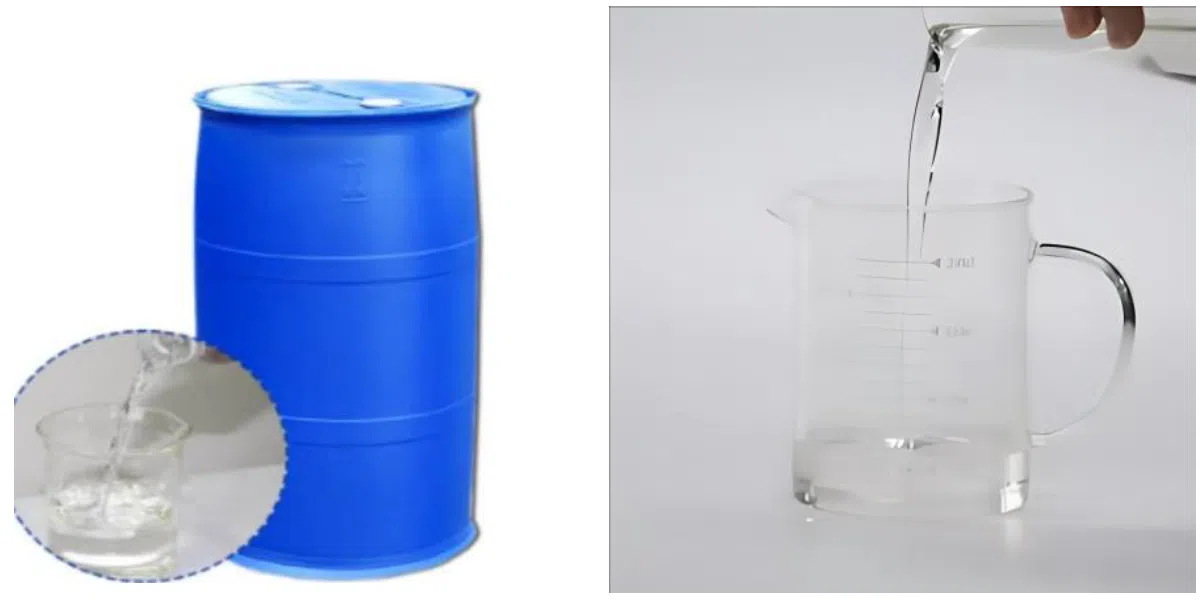
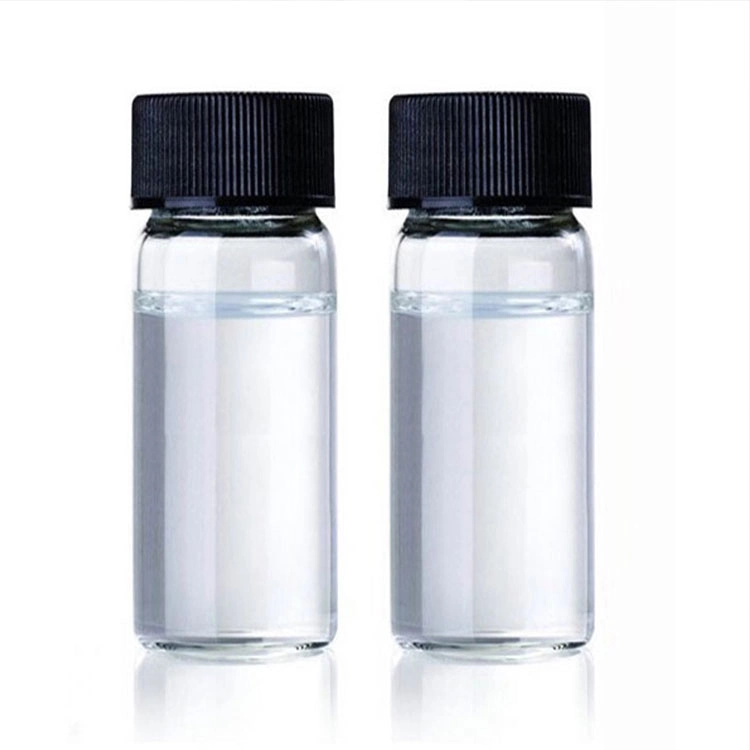
2,2-Dimethyl-1,3-dioxolane-4-methanol, commonly known as Solketal or Glycerol Acetonide, is an organic compound derived from the reaction of glycerol with acetone. It has the molecular formula C₆H₁₂O₃ and a molecular weight of 132.16 g/mol. Its molecular structure contains a five-membered cyclic acetal ring and a free hydroxyl group, giving it useful properties for organic synthesis and chemical modification.
Solketal is widely recognized as a glycerol-protecting compound in synthetic chemistry. The cyclic acetal group temporarily protects two hydroxyl groups of glycerol, allowing chemists to selectively modify the remaining hydroxyl group. This makes it a valuable building block for preparing functionalized glycerol derivatives and other specialty organic compounds.
The compound is also of interest in research involving renewable raw materials because glycerol can be obtained as a by-product of biodiesel production. Depending on the production process and grade, Solketal can be supplied for laboratory research, chemical synthesis, and industrial development. Its purity, water content, appearance, and other quality parameters should be confirmed against the supplier's technical data sheet and certificate of analysis.
Chemical Properties
Melting point | -27℃ |
Boiling point | 189-191 °C |
density | 1.066 g/mL at 20 °C(lit.) |
vapor pressure | 34Pa at 20℃ |
refractive index | n20/D 1.434 |
Fp | 176 °F |
storage temp. | Sealed in dry,2-8°C |
solubility | 172g/l soluble |
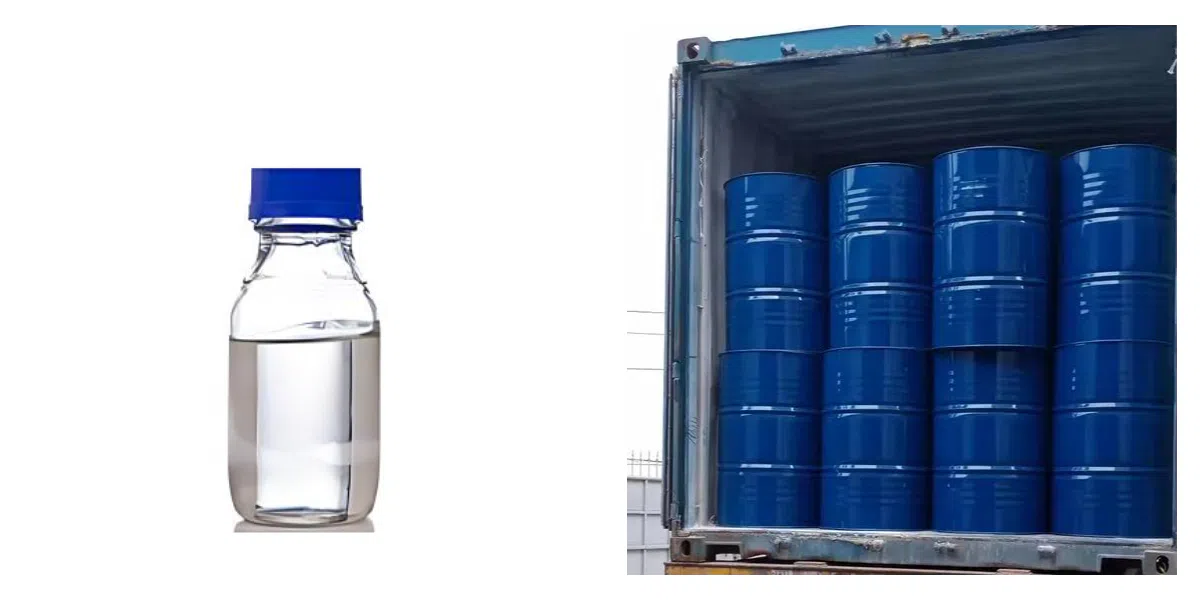
form | Liquid |
pka | 14.20±0.10(Predicted) |
color | Clear colorless |
PH | 4.0-7.5 (H2O) |
Water Solubility | miscible |
Merck | 14,5213 |
Safety Information
Hazard Codes | Xi |
Risk Statements | 36/37/38 |
Safety Statements | 23-24/25-36-26 |
WGK Germany | 2 |
RTECS | JI0400000 |
F | 10 |
TSCA | Yes |
HS Code | 29329970 |
Toxicity | LD50 in rats (g/kg): 7 orally; 3 i.p. (Perez) |
Product Applications
2,2-Dimethyl-1,3-dioxolane-4-methanol is widely used as a chemical intermediate in organic synthesis. It can also serve as a raw material in the production of flavor enhancers and preservatives. In the pharmaceutical industry, it is utilized as an intermediate for the synthesis of pharmaceutical compounds, while in the personal care and household chemical sectors, it can be used in the preparation of mild surfactants.