Products Description
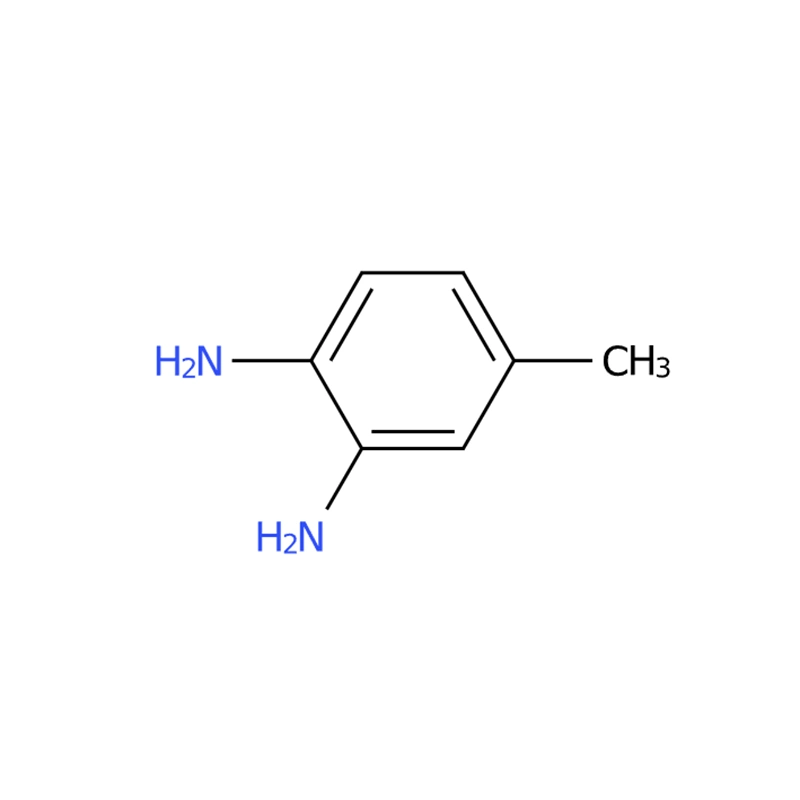
3,4‑Diaminotoluene (4‑methyl‑1,2‑phenylenediamine) is an aromatic diamine with the molecular formula C₇H₁₀N₂ and molecular weight 122.17. Its typical melting point is 87–89°C, and the boiling point is 265°C.
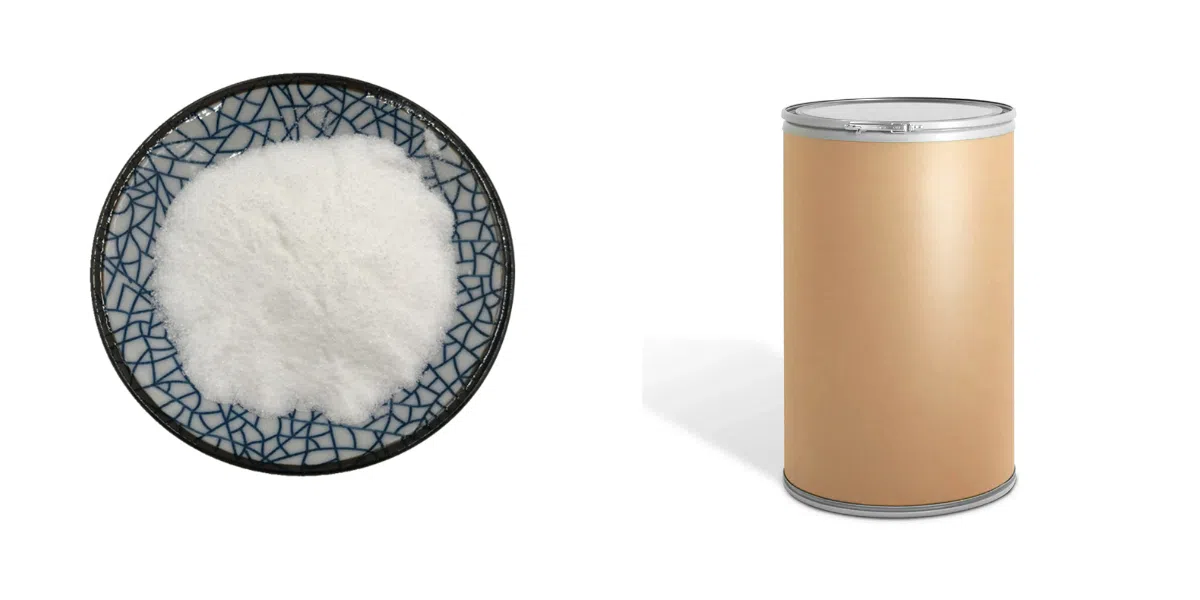
It is supplied in the form of off‑white to light brown flaky crystals. The material is sparingly soluble in cold water, dissolves better in hot water and common organic solvents, and can sublime when heated. One notable characteristic is its sensitivity to oxygen: prolonged contact with air triggers oxidation, turning the crystals darker. This is inherent to the substance and will not impair its reaction performance.
Benefiting from the active diamine structure, this chemical is a fundamental building block for fine chemical synthesis. It is widely adopted as a key intermediate for azo dyes, hair dye formulations and rubber additive synthesis.
Chemical Properties
| Melting point | 87-89 °C (lit.) |
| Boiling point | 155-156 °C/18 mmHg (lit.) |
| density | 1.2207 (rough estimate) |
| refractive index | 1.5103 (estimate) |
| Fp | 155-156°C/18mm |
| storage temp. | Keep in dark place,Inert atmosphere,Room temperature |
| solubility | Chloroform (Sparingly), Methanol (Slightly) |
| pka | 4.59±0.10(Predicted) |
| form | Crystalline Chunks or Flakes |
| color | Brown to grayish-brown |
| Water Solubility | 16 g/L (20 ºC) |
| BRN | 507965 |
| Stability: | Stable. Incompatible with strong oxidizing agents. |
| CAS DataBase Reference | 496-72-0(CAS DataBase Reference) |
| NIST Chemistry Reference | 1,2-Benzenediamine, 4-methyl-(496-72-0) |
| EPA Substance Registry System | 3,4-Diaminotoluene (496-72-0) |
| Hazard Codes | Xn |
| Risk Statements | 20/21/22-36/37/38-52/53-40-36-22 |
| Safety Statements | 26-37/39-61-36/37/39 |
| RIDADR | UN 2811 |
| WGK Germany | 2 |
| RTECS | XS9820000 |
| TSCA | Yes |
| HazardClass | 6.1(b) |
| PackingGroup | III |
| HS Code | 29215119 |
| Hazardous Substances Data | 496-72-0(Hazardous Substances Data) |
Product Application
Its primary application lies in the production of high-grade organic pigments, particularly Disperse Fluorescent Yellow, where it serves as an important intermediate or functional component in the development of fluorescent colorants. It contributes to the preparation of vibrant, bright, and visually distinctive yellow pigments, making it valuable in various dyeing, coloring, and specialty pigment applications.
In addition to its role in pigment manufacturing, this compound can also function as a rust and corrosion inhibitor, offering potential applications in metal protection and surface treatment formulations. Its chemical properties make it a useful material for research and development involving metal corrosion control and protective coating systems.