Product Description
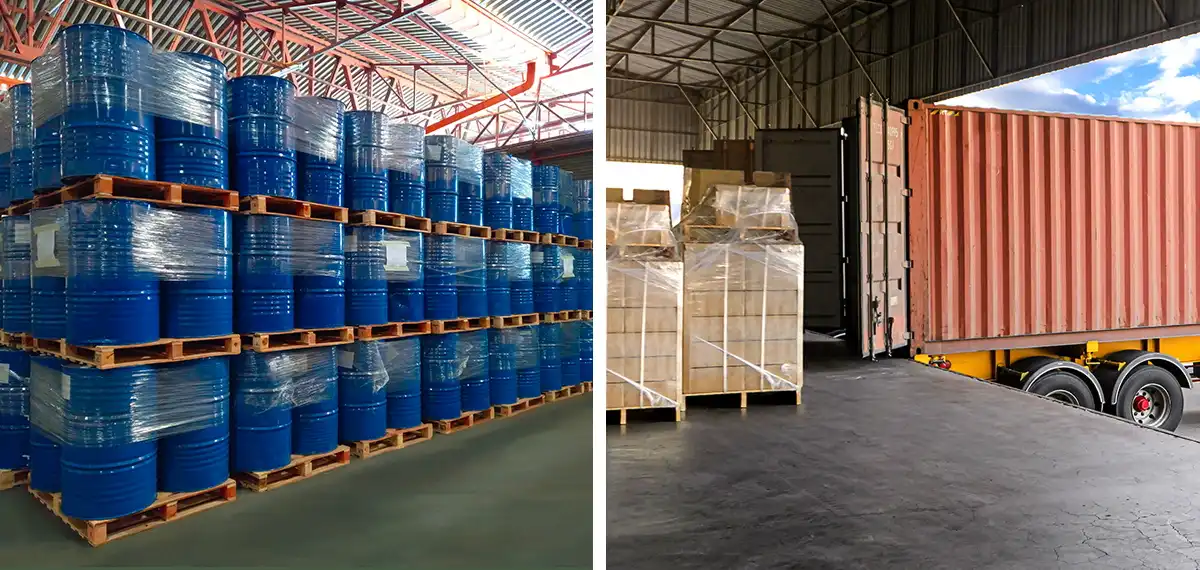
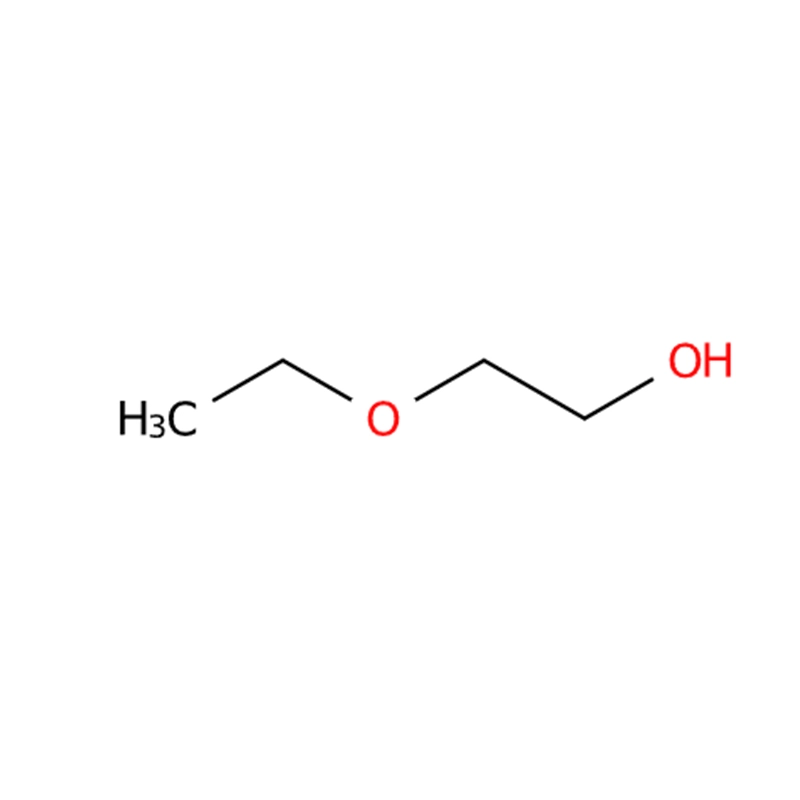
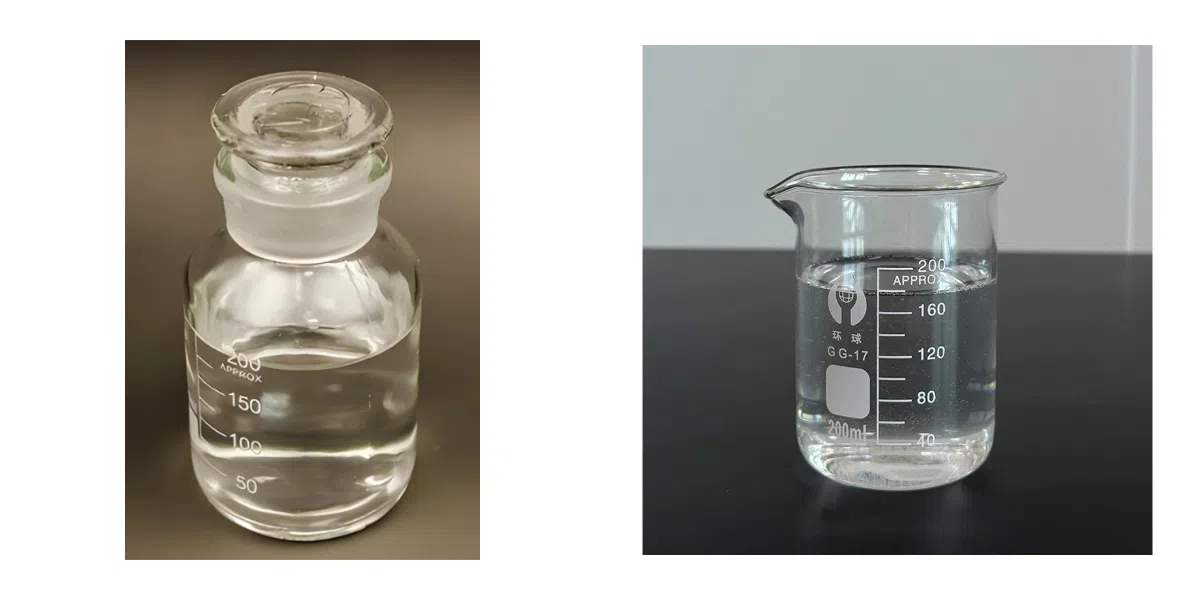
Ethylene Glycol Monoethyl Ether, also known as 2-Ethoxyethanol or Ethyl Cellosolve, is a glycol ether solvent with CAS 110-80-5, molecular formula C₄H₁₀O₂ and molecular weight 90.12. It is a clear, colourless and nearly odourless liquid, melting at -70℃ and boiling at 135℃. It can mix with water, alcohols, ethers and ketones, featuring balanced volatility and outstanding solvency. It is classified as UN1171 Class 3 flammable liquid. Our industrial grade reaches 99% min purity, with consistent quality between batches. It is widely favoured by formulators for its dual hydrophilic and lipophilic properties, and supplied in standard 190kg iron drums for overseas delivery.
Chemical Properties
| Melting point | -100 °C |
| Boiling point | 135 °C(lit.) |
| density | 0.93 g/mL at 25 °C(lit.) |
| vapor density | 3.1 (vs air) |
| vapor pressure | 3.8 mm Hg ( 20 °C) |
| refractive index | n20/D 1.407(lit.) |
| Fp | 107.6 °F |
| storage temp. | Store below +30°C. |
| solubility | water: miscible |
| pka | 14.44±0.10(Predicted) |
| form | Liquid |
| color | Clear, colorless |
| Odor | Sweetish; mild, pleasant, ethereal. |
| PH | 7 (20°C) |
| Odor Threshold | 0.58ppm |
| explosive limit | 1.8-15.7%(V) |
| Water Solubility | miscible |
| FreezingPoint | -70℃ |
| Thermal Conductivity | 0.169 W/(m·K) at 25 ℃ |
| λmax | λ: 215 nm Amax: 1.00 |
| λ: 225 nm Amax: 0.50 | |
| λ: 250 nm Amax: 0.20 | |
| λ: 305 nm Amax: 0.01 | |
| Merck | 143750 |
| BRN | 1098271 |
| Henry's Law Constant | 8.9×100 mol/(m3Pa) at 25℃, Johanson and Dynésius (1988) |
| Exposure limits | TLV-TWA skin 5 ppm (18.5 mg/m3) (ACGIH). . |
| Dielectric constant | 29.6(24℃) |
| Stability: | Stable. Readily forms explosive mixtures with air - note the wide explosion range. Vapour may travel considerable distance to a source of ignition. Flammable. Incompatible with strong acids, strong bases, strong oxidizing agents, aluminium, alkalies. |
| Cosmetics Ingredients Functions | SOLVENT |
| VISCOSITY CONTROLLING | |
| Cosmetic Ingredient Review (CIR) | 2-Ethoxyethanol (110-80-5) |
| InChI | 1S/C4H10O2/c1-2-6-4-3-5/h5H,2-4H2,1H3 |
| InChIKey | ZNQVEEAIQZEUHB-UHFFFAOYSA-N |
| SMILES | CCOCCO |
| LogP | 0.32 at 20℃ |
| Surface tension | 28.6mN/m at 20°C |
| CAS DataBase Reference | 110-80-5(CAS DataBase Reference) |
| NIST Chemistry Reference | Ethanol, 2-ethoxy-(110-80-5) |
| EPA Substance Registry System | 2-Ethoxyethanol (110-80-5) |
Safety Information
| Hazard Codes | T |
| Risk Statements | 60-61-10-20/21/22-20/22 |
| Safety Statements | 53-45 |
| OEB | B |
| OEL | TWA: 0.5 ppm (1.8 mg/m3) [skin] |
| RIDADR | UN 1171 |
| WGK Germany | 1 |
| RTECS | KK8050000 |
| Autoignition Temperature | 460 °F |
| TSCA | TSCA listed |
| HazardClass | 3 |
| PackingGroup | III |
| HS Code | 29094990 |
| Storage Class | 3 - Flammable liquids |
| Hazard Classifications | Acute Tox. 3 Inhalation |
| Acute Tox. 4 Oral | |
| Flam. Liq. 3 | |
| Repr. 1B | |
| Hazardous Substances Data | 110-80-5(Hazardous Substances Data) |
| Toxicity | Acute oral LD50 for guinea pigs 1,400 mg/kg, mice 2,451 mg/kg, rats 3,000 mg/kg, rabbits 3,100 mg/kg (quoted, RTECS, 1985). |
| IDLA | 500 ppm |
Product Application
Ethylene glycol monoethyl ether is a versatile industrial solvent widely used in coatings, printing, and chemical formulations. It is commonly applied in varnish removers, lacquers, and paint formulations, where it helps dissolve and blend various components. It also serves as an effective solvent for printing inks, duplicating fluids, and epoxy materials. Due to its solvent properties and compatibility with different organic substances, it is valuable in industrial cleaning, surface treatment, and specialty chemical applications.
Ethylene glycol monobutyl ether is a multifunctional solvent widely used in the coatings, chemical, and cleaning industries. It is applied in hydraulic fluid formulations and serves as an effective coupling agent in water-based coatings, improving compatibility between different formulation components. It is also used in vinyl and acrylic paints, varnishes, spray lacquers, and enamels. Additional applications include dry-cleaning formulations, textile processing, and cosmetic products, making it an important solvent in a broad range of industrial and commercial formulations.