Products Description
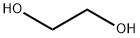
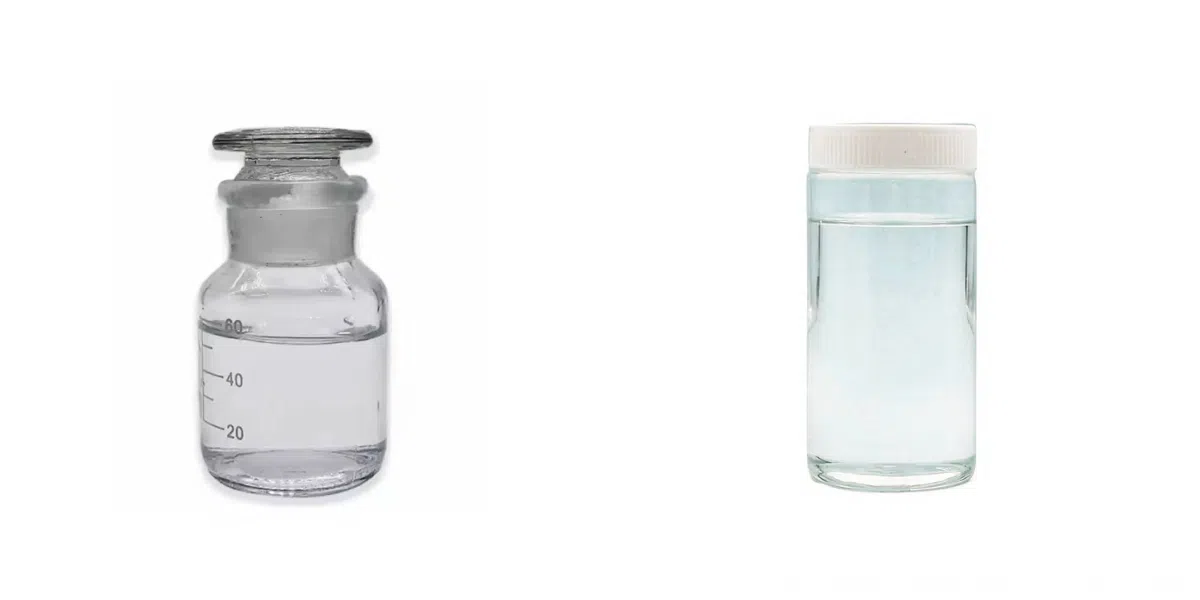
It is a colorless, transparent, and highly viscous liquid characterized by a sweet taste and strong hygroscopic properties. It exhibits good miscibility with water, lower aliphatic alcohols, glycerol, acetic acid, acetone, other ketones, aldehydes, pyridine, and related coal-tar bases. However, its solubility in ether is relatively low, while it is practically insoluble in benzene and its derivatives, chlorinated hydrocarbons, petroleum ether, and oils.
Chemical Properties
| Melting point | -13 °C (lit.) |
| Boiling point | 195-198 °C |
| density | 1.113 g/mL at 25 °C (lit.) |
| vapor density | 2.1 (vs air) |
| vapor pressure | 0.08 mm Hg ( 20 °C) |
| refractive index | n20/D 1.431(lit.) |
| Fp | 230 °F |
| storage temp. | 2-8°C |
| solubility | water: miscible |
| form | Viscous Liquid |
| pka | 14.22(at 25℃) |
| color | blue |
| Relative polarity | 0.79 |
| PH | 6-7.5 (100g/l, H2O, 20℃) |
| Odor | Odorless |
| explosive limit | 3.2%(V) |
| Water Solubility | miscible |
| FreezingPoint | -11.5℃ |
| Sensitive | Hygroscopic |
| λmax | λ: 260 nm Amax: ≤0.03 λ: 280 nm Amax: ≤0.01 |
| Merck | 14,3798 |
| BRN | 505945 |
| Exposure limits | Ceiling limit in air for vapor and mist 50 ppm (~125 mg/m3) (ACGIH); TWA 10 mg/m3 (particulates) (MSHA). |
| Dielectric constant | 37.0(20℃) |
| LogP | -1.36 at 25℃ |
| CAS DataBase Reference | 107-21-1(CAS DataBase Reference) |
| NIST Chemistry Reference | 1,2-Ethanediol(107-21-1) |
| EPA Substance Registry System | Ethylene glycol (107-21-1) |
Safety Information
| Hazard Codes | Xn |
| Risk Statements | 22-36-41 |
| Safety Statements | 26-39-36/37/39 |
| WGK Germany | 3 |
| RTECS | KW2975000 |
| Autoignition Temperature | 752 °F |
| TSCA | Yes |
| HS Code | 29053100 |
| Hazardous Substances Data | 107-21-1(Hazardous Substances Data) |
| Toxicity | LD50 in rats, guinea pigs (g/kg): 8.54, 6.61 orally (Smyth); in mice (ml/kg): 13.79 orally (Bornmann) |
Product Usage
1. Ethylene glycol is mainly used as an antifreeze in automotive cooling systems and as a raw material for producing polyethylene terephthalate (PET), which is widely used in polyester fibers and plastics. It is also applied in the manufacture of synthetic resins, solvents, lubricants, surfactants, moisturizers, and explosives.
2. Ethylene glycol can be used as an alternative to glycerol and serves as a humectant and solvent in the leather and pharmaceutical industries. Due to its tendency to oxidize and form toxic metabolites, its use as a general solvent is limited. It is also added to hydraulic fluids to protect rubber components and improve fluid performance under high-temperature conditions.
3. Ethylene glycol has several important derivatives, including diethylene glycol, triethylene glycol, and tetraethylene glycol. These compounds are produced as by-products during the hydration of ethylene oxide in the manufacture of ethylene glycol.