Products Description
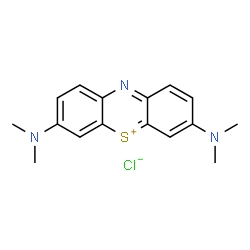
Methylene blue (MB) functions as a reducing agent with favorable permeability across cell membranes. Boasting a comparatively low‑risk toxicity profile, it has obtained official clinical approval for therapeutic use.
First adopted for biological research back in the 19th century, methylene blue possesses diverse practical applications. It acts as a staining agent for neuroanatomical and bacteriological studies, and works as a redox indicator within biochemical experimental work.
In medical treatment, methylene blue exhibits antidote properties. It is applied to manage methemoglobinemia triggered by nitrites and other toxic agents. Besides this indication, it can also be utilized for interventions against cyanide poisoning as well as encephalopathy brought on by ifosfamide.
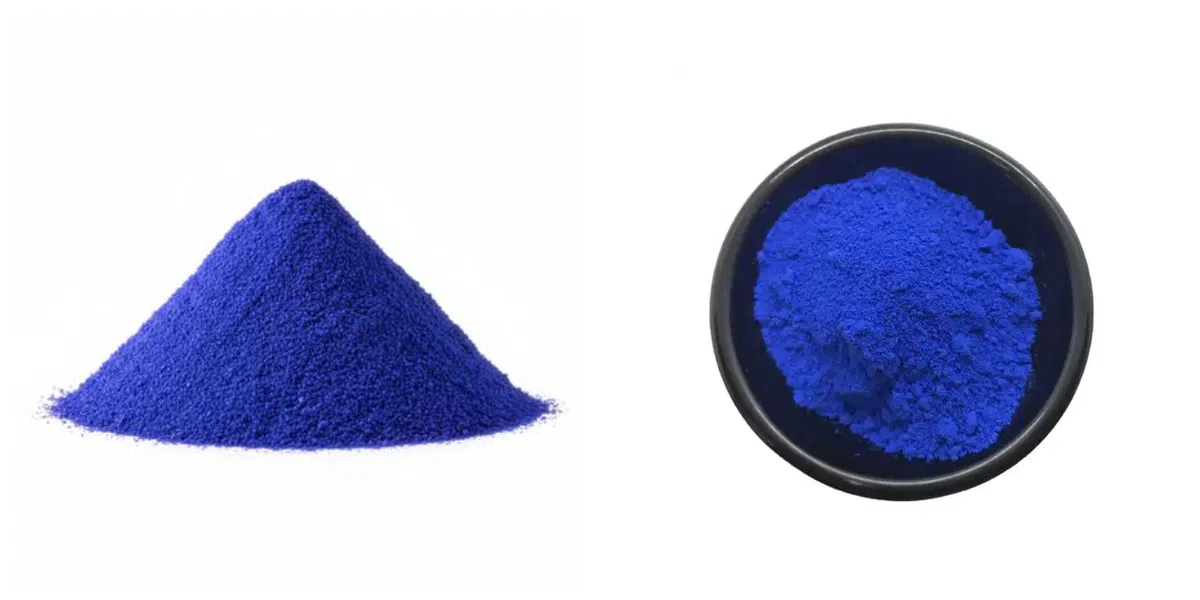
Methylene Blue Chemical Properties
| Melting point | 190 °C (dec.)(lit.) |
| density | 1.0 g/mL at 20 °C |
| refractive index | n20/D1.347 |
| Fp | 45 °C |
| storage temp. | room temp |
| solubility | Soluble in water, ethanol, ethylene glycol, methyl cellosolve |
| form | Liquid |
| pka | 2.6, 11.2(at 25℃) |
| Colour Index | 52015 |
| color | Green |
| Specific Gravity | 0.98 |
| Odor | Odorless |
| Water Solubility | 40 g/L (20 ºC) |
| λmax | 661 nm |
| Merck | 14,6060 |
| BRN | 3641570 |
| Biological Applications | Detecting microorganisms; treating diabetic retinopathy,macular degeneration,malignant uveal melanomas,erysipelas,hidradenitis suppurativa,inflammation,skin diseases |
| NIST Chemistry Reference | Methylene blue(61-73-4) |
| EPA Substance Registry System | Methylene blue (61-73-4) |