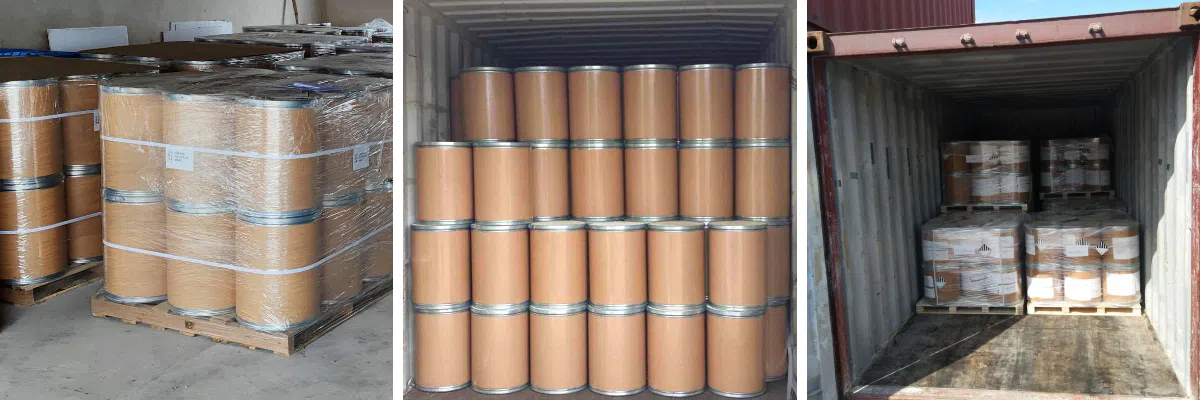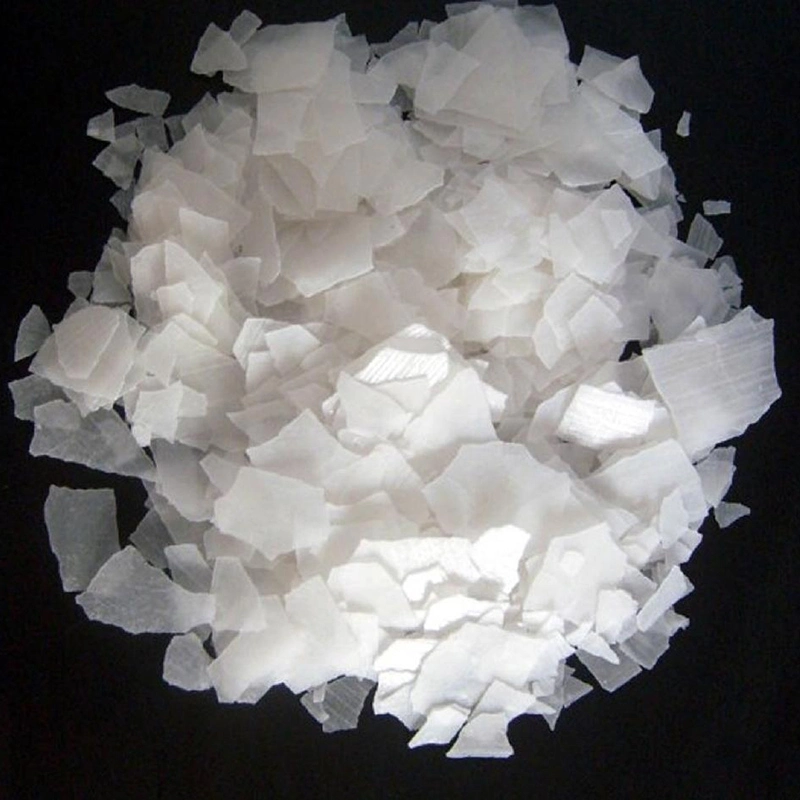
Sodium HydroxideCAS#1310-73-2 Product Description
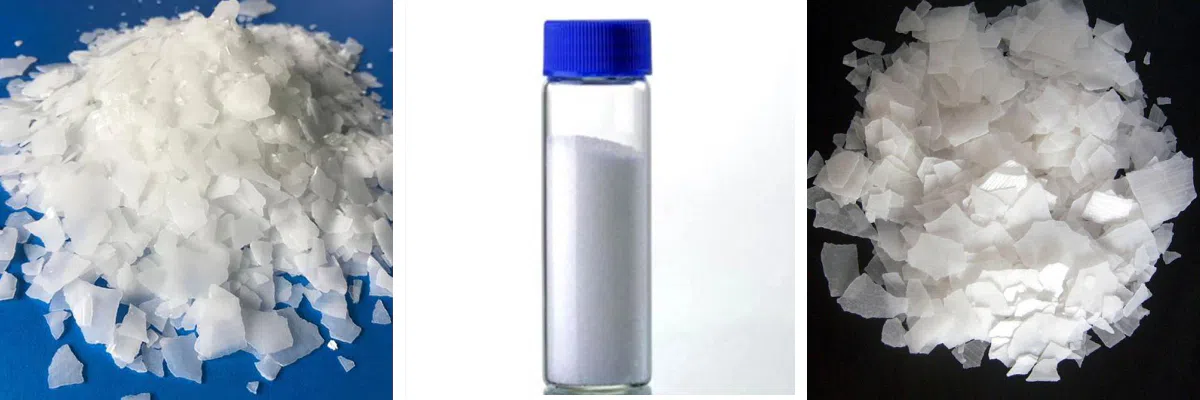
Sodium hydroxide (NaOH), commonly known as caustic soda, is a highly versatile inorganic chemical and one of the most widely used strong alkalis in industrial manufacturing. It typically occurs as a white solid in the form of flakes, pellets, or granules and is characterized by its strong alkalinity and highly corrosive nature. Sodium hydroxide readily dissolves in water, releasing heat and forming a strongly alkaline solution. It is also soluble in alcohols such as methanol and ethanol. As a highly hygroscopic and deliquescent substance, it readily absorbs moisture from the surrounding air and reacts with acidic gases, particularly carbon dioxide, to form sodium carbonate.
Due to its excellent chemical reactivity and strong alkaline properties, sodium hydroxide plays an essential role in a wide range of industrial applications. It is extensively used in the pulp and paper industry for wood pulping and cellulose processing, as well as in textile manufacturing for fiber treatment and fabric processing. In the chemical and consumer goods industries, it serves as a key raw material in the production of soaps, detergents, and various cleaning products. Furthermore, sodium hydroxide is commonly incorporated into household and industrial drain cleaners, where its strong alkaline action helps break down organic deposits and remove stubborn blockages.
With its broad functionality, reliable chemical performance, and extensive industrial applications, sodium hydroxide remains an essential basic chemical raw material across the chemical, paper, textile, detergent, and cleaning industries.
Sodium Hydroxide CAS#1310-73-2 Chemical Properties
| Melting point | 681 °C(lit.) |
| Boiling point | 1390°C |
| density | 1.515 g/mL at 20 °C |
| vapor density | <1 (vs air) |
| vapor pressure | 1 mm Hg ( 745 °C) |
| refractive index | 1,473-1,475 |
| Fp | 176-178°C |
| storage temp. | room temp |
| solubility | H2O: 1 M at 20 °C, clear, colorless |
| form | beads |
| color | White |
| Specific Gravity | 2.13 |
| Odor | Odorless |
| PH Range | 13 - 14 |
| PH | 10.98(1 mM solution);11.95(10 mM solution);12.88(100 mM solution); |
| Water Solubility | SOLUBLE |
| Sensitive | Air Sensitive & Hygroscopic |
| Decomposition | 176-178 ºC |
| λmax | λ: 260 nm Amax: 0.015 |
| λ: 280 nm Amax: 0.01 | |
| Merck | 148,627 |
| Dielectric constant | 57.5(25℃) |
| Exposure limits | TLV-TWA air 2 mg/m3 (OSHA); ceiling 2 mg/m3 (ACGIH) and 2 mg/m3/15 min (NIOSH). |
| Stability: | hygroscopic |
| CAS DataBase Reference | 1310-73-2(CAS DataBase Reference) |
| NIST Chemistry Reference | Sodium hydroxide(1310-73-2) |
| EPA Substance Registry System | Sodium hydroxide (1310-73-2) |
Sodium Hydroxide CAS#1310-73-2 Safety Information
| Hazard Codes | C,Xi |
| Risk Statements | 36/38-35-34 |
| Safety Statements | 26-45-37/39-24/25-36/37/39 |
| RIDADR | UN 1824 8/PG 2 |
| WGK Germany | 1 |
| RTECS | TT2975000 |
| F | 8 |
| TSCA | Yes |
| HS Code | 2815 11 00 |
| HazardClass | 8 |
| PackingGroup | II |
| Hazardous Substances Data | 1310-73-2(Hazardous Substances Data) |
| Toxicity | LD orally in rabbits: 500 mg/kg (10% soln) (Fazekas) |
| IDLA | 10 mg/m3 |
Sodium Hydroxide CAS#1310-73-2 Product Application
Sodium hydroxide (NaOH), commonly known as caustic soda, has an extensive range of applications across the chemical, metallurgical, textile, paper, and pharmaceutical industries. In laboratory and chemical applications, it is widely used as a chemical reagent and can also function as an alkaline drying agent due to its strong hygroscopic properties and ability to absorb moisture. As a fundamental industrial raw material, sodium hydroxide plays an essential role in numerous manufacturing processes and contributes significantly to the development of various industrial sectors.
The chemical manufacturing industry represents one of the largest consumers of sodium hydroxide, followed by the pulp and paper industry, aluminum and tungsten smelting, viscose fiber production, and soap manufacturing. It is also extensively utilized in the production of dyes, plastics, pharmaceuticals, organic chemical intermediates, and reclaimed rubber. Other important applications include electrolytic production of metallic sodium, industrial water treatment, and the manufacture of various inorganic salts, such as borates, chromates, manganates, and phosphates.
Product Quality Standards
Different grades and applications of sodium hydroxide are subject to specific quality and technical requirements. The standards referenced for various product categories include:
Industrial-grade sodium hydroxide: GB 209-2006.
Industrial ion-exchange membrane sodium hydroxide: GB/T 11199-89.
Sodium hydroxide for chemical fiber production: GB 11212-89.
Food-grade sodium hydroxide: GB 5175-85.
These standards specify relevant product quality indicators and technical requirements for different industrial and specialized applications. Their current validity and applicability should be verified against the latest official standards.
Safety and Toxicological Properties
In industrial applications, sodium hydroxide is commonly referred to as caustic soda, a name reflecting its highly corrosive nature and potential to cause severe chemical burns upon contact with skin or other biological tissues. Concentrated solutions can cause significant tissue damage, while exposure to the eyes may result in serious and potentially permanent injury. Its strong alkaline properties allow it to react with and damage proteins and other biological components, potentially resulting in deep tissue injuries that require prolonged recovery.
Exposure to sodium hydroxide dust or aerosols may irritate and damage the eyes, respiratory tract, and nasal tissues. Direct skin contact can cause severe chemical burns, tissue destruction, and deep lesions, which may lead to permanent scarring. Even relatively dilute solutions can cause eye irritation or injury, depending on the concentration and exposure conditions.
Toxicological reference data have reported a mouse intraperitoneal LD50 of approximately 40 mg/kg and a rabbit oral LDLo of approximately 500 mg/kg. These historical experimental values should be interpreted with caution and do not represent safe human exposure limits. Appropriate protective equipment, adequate ventilation, and strict handling procedures are essential during the storage, transportation, and use of sodium hydroxide.