
Product Overview
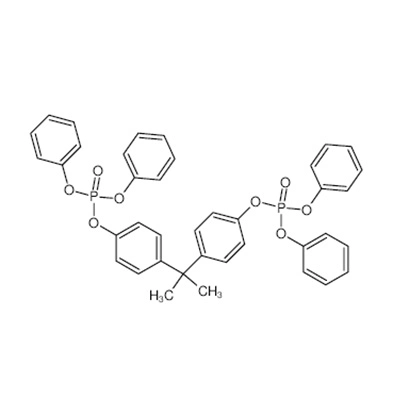
Bisphenol A Bis(diphenyl Phosphate), commonly known as BDP, BPADP or BAPP, is a phosphorus-based halogen-free flame retardant used in engineering plastics and polymer formulations. It has the molecular formula C₃₉H₃₄O₈P₂ and a molecular weight of 692.63 g/mol. Its chemical structure consists of a bisphenol A core connected to two diphenyl phosphate groups. Depending on the commercial grade and temperature, the product may be supplied as a colorless to off-white liquid, viscous material or other specified physical form. Certain commercial grades have a phosphorus content of approximately 8.9%.
BDP is primarily used as a flame-retardant additive and functional plasticizer in polymer systems. Its phosphorus-containing structure helps promote flame-retardant performance in suitable formulations. Compared with conventional halogen-containing flame retardants, BDP provides an alternative for manufacturers developing halogen-free polymer materials. It is particularly relevant to engineering plastics and polymer blends that require a combination of flame resistance and processing performance.
Safety and Storage
Bisphenol A Bis(diphenyl Phosphate) must be handled according to the supplier-specific Safety Data Sheet (SDS). Importantly, an LGC Standards SDS for a laboratory reference material identifies the substance as suspected of causing cancer (H351), suspected of damaging fertility or the unborn child (H361), and potentially causing long-lasting harmful effects to aquatic life (H413). These classifications should be taken seriously and checked against the SDS for the actual commercial grade and destination market.
Avoid direct skin and eye contact and prevent inhalation of vapors, mists or aerosols. Handle the material in a well-ventilated area, preferably with suitable local exhaust ventilation. Wear appropriate chemical-resistant gloves, protective clothing and safety goggles. Avoid eating, drinking or smoking in handling areas, and wash hands thoroughly after handling. Prevent uncontrolled release into drains, soil and waterways.


