AllylbenzeneCAS#300-57-2 Product Description
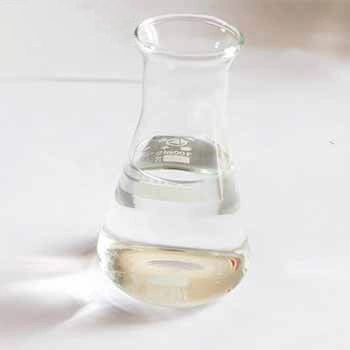
Allylbenzene is an aromatic organic compound with the molecular formula C₉H₁₀ and a molecular weight of 118.18 g/mol. It is a clear, colorless liquid with characteristic physical and chemical properties. The compound has a melting point of approximately -40°C and a boiling point of 156°C, with a flash point of 33°C. Its relative density is 0.8920 (20/4°C), and its refractive index is 1.5131.
In terms of solubility, allylbenzene is readily soluble in common organic solvents, including ethanol, diethyl ether, and benzene, but is practically insoluble in water. Due to its aromatic ring and reactive allyl side chain, it serves as a useful organic synthesis intermediate and starting material in various chemical reactions. It is primarily used in laboratory research and the preparation of other organic compounds and specialty chemical derivatives.
Allylbenzene CAS#300-57-2 Chemical Properties
| Melting point | 557 °C |
| Boiling point | 156-157 °C (lit.) |
| density | 0.892 g/mL at 25 °C (lit.) |
| refractive index | n20/D 1.511(lit.) |
| Fp | 92 °F |
| storage temp. | Inert atmosphere,2-8°C |
| solubility | 0.017g/l insoluble |
| form | Liquid |
| Specific Gravity | 0.892 |
| color | Clear colorless to slightly yellow |
| Water Solubility | insoluble |
| BRN | 1098501 |
| Dielectric constant | 2.63 |
| Stability: | Stable. Flammable. Incompatible with strong oxidizing agents. |
| CAS DataBase Reference | 300-57-2(CAS DataBase Reference) |
| NIST Chemistry Reference | Benzene, 2-propenyl-(300-57-2) |
| EPA Substance Registry System | Allylbenzene (300-57-2) |
Allylbenzene CAS#300-57-2 Safety Information
| Hazard Codes | Xn |
| Risk Statements | 10-65 |
| Safety Statements | 23-24/25-62-16 |
| RIDADR | UN 3295 3/PG 3 |
| WGK Germany | 3 |
| RTECS | CY2275000 |
| F | 8 |
| TSCA | Yes |
| HazardClass | 3 |
| PackingGroup | III |
| HS Code | 29029080 |
Allylbenzene CAS#300-57-2 Product Application
Organic Synthesis: Allylbenzene is used as a versatile starting material and intermediate in organic synthesis. Its aromatic ring and reactive allyl functional group make it suitable for various chemical transformations, supporting the preparation of a range of organic compounds, functionalized derivatives, and specialty chemical intermediates. It is also utilized in laboratory research and synthetic chemistry applications.