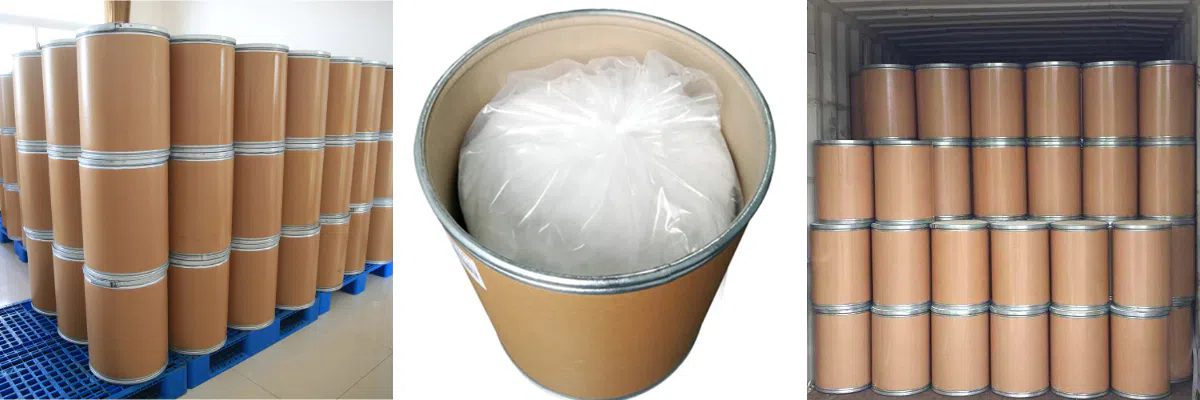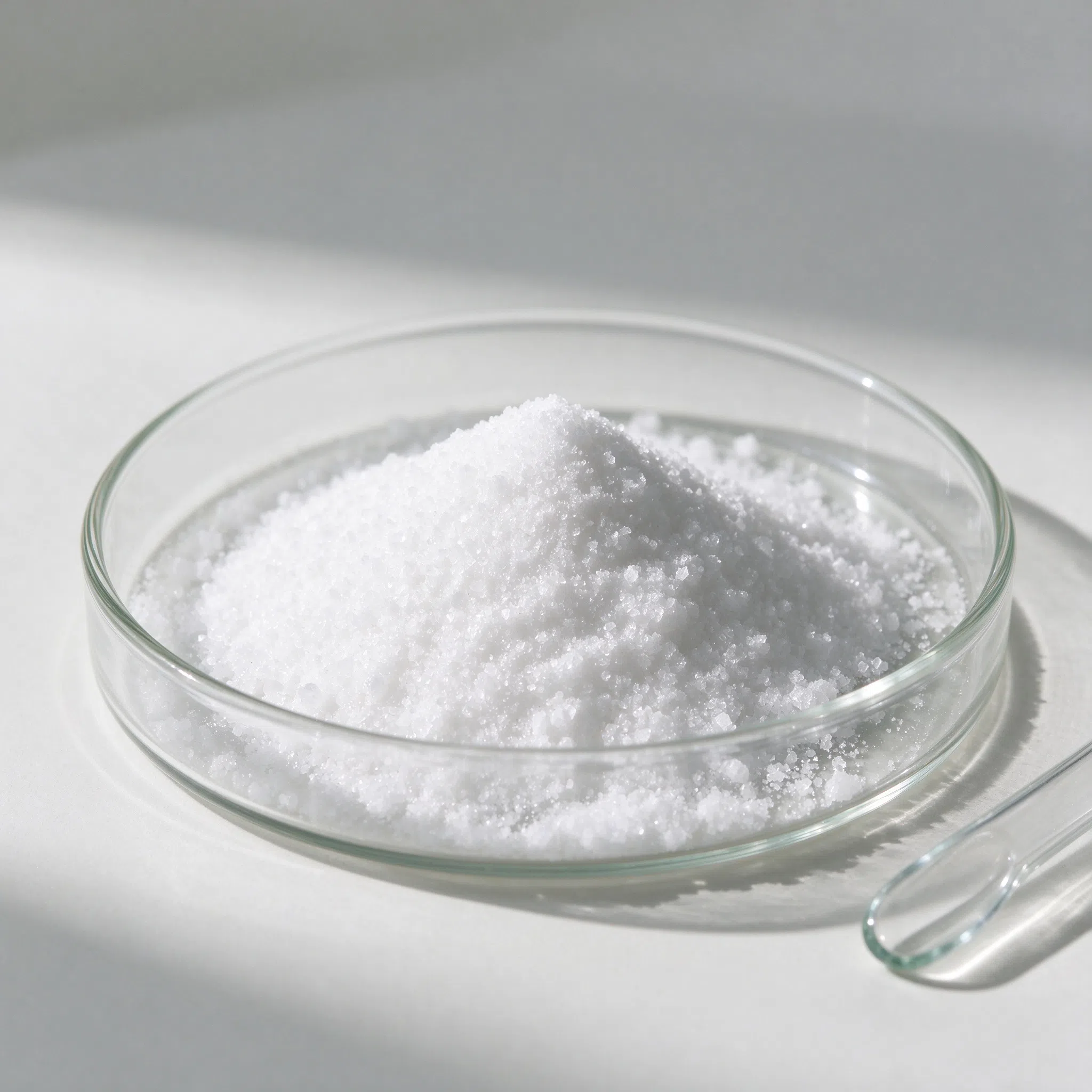
Sodium Oleate CAS#143-19-1 Product Description
Sodium oleate, also known as sodium octadecenoate, is an organic sodium salt of oleic acid with the chemical formula C₁₇H₃₃CO₂Na. It is one of the principal components of soaps produced from vegetable oils, particularly olive oil, as well as animal fats such as tallow. Industrially, sodium oleate can be manufactured through the neutralization reaction of oleic acid with sodium hydroxide, producing a versatile anionic surfactant with a wide range of applications.
Due to its amphiphilic molecular structure, which consists of a hydrophobic hydrocarbon chain and a hydrophilic carboxylate group, sodium oleate exhibits excellent surface-active properties. It offers effective emulsification, wetting, penetration, and detergency performance, making it suitable for various cleaning and industrial processing applications. It is readily soluble in hot water and can help reduce surface tension, promote the dispersion of oils and other hydrophobic substances, and improve the stability of emulsified systems.
Sodium oleate is widely used as an anionic surfactant in soap and detergent formulations, textile processing, and other industrial applications. It also serves as a functional auxiliary agent in fabric treatment, particularly in waterproofing and related finishing processes. With its versatile surfactant properties and broad compatibility with different formulations, sodium oleate is an important raw material in the detergent, textile, and specialty chemical industries.
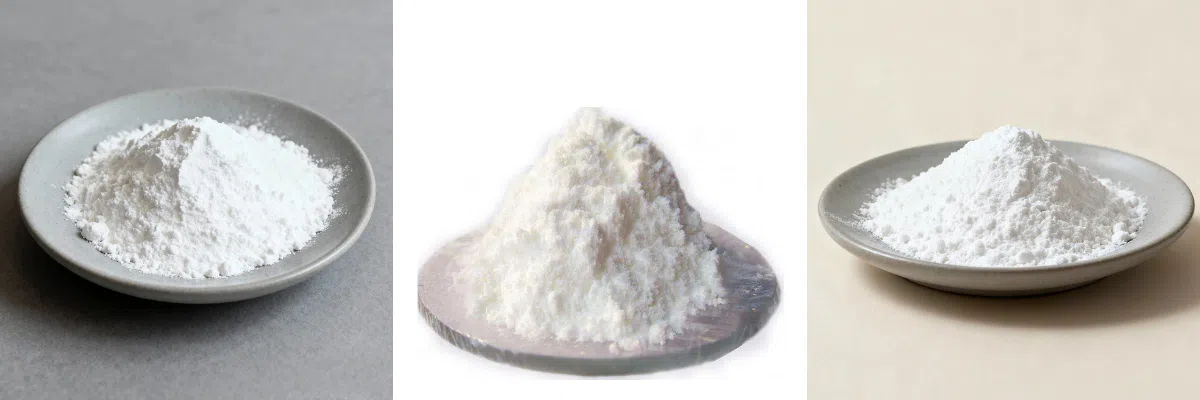
Sodium Oleate CAS#143-19-1 Chemical Properties
| Melting point | 232-235 °C (lit.) |
| storage temp. | -20°C |
| solubility | Methanol (Slightly) |
| form | Powder |
| color | White to slightly yellow |
| Odor | slt tallow odor |
| Water Solubility | soluble H2O, partially decomposes; soluble alcohol [HAW93] |
| Merck | 146828 |
| BRN | 4046357 |
| Hydrophilic-Lipophilic Balance (HLB) | 18 |
| Dielectric constant | 2.7(20℃) |
| Stability: | Stable. Incompatible with strong oxidizing agents. |
| InChI | InChI=1S/C18H34O2.Na/c1-2-3-4-5-6-7-8-9-10-11-12-13-14-15-16-17-18(19)20;/h9-10H,2-8,11-17H2,1H3,(H,19,20);/q;+1/p-1/b10-9-; |
| InChIKey | BCKXLBQYZLBQEK-KVVVOXFISA-M |
| SMILES | C(CCCCCC([O-])=O)C/C=C\CCCCCCCC.[Na+] |
| LogP | 7.698 (est) |
| CAS DataBase Reference | 143-19-1(CAS DataBase Reference) |
| EPA Substance Registry System | Sodium oleate (143-19-1) |
| Safety Statements | 22-24/25-25-24 |
| WGK Germany | 1 |
| RTECS | RK1200000 |
| F | 46318 |
Sodium Oleate CAS#143-19-1 Safety Information
| HS Code | 29161500 |
| Hazardous Substances Data | 143-19-1(Hazardous Substances Data) |
| Toxicity | LD50 ivn-mus: 152 mg/kg RPOBAR 2,327,70 |
Sodium Oleate CAS#143-19-1 Product Application
Chemically pure sodium oleate has a wide range of applications in industrial processing and chemical manufacturing. It is commonly used in mineral processing as a flotation agent and auxiliary reagent, as well as in textile treatment for fabric waterproofing and finishing. It is also an important raw material in soap production, where its excellent surface-active properties contribute to effective cleansing and emulsification. As an anionic surfactant, sodium oleate provides good wetting, dispersing, emulsifying, and detergency performance, making it suitable for various industrial formulations and applications. In the textile industry, it can additionally serve as a functional treatment agent to improve the water-repellent properties of fabrics.
Analytical reagent (AR) grade sodium oleate is primarily used in laboratory research and biochemical experiments. It has applications in studies involving cellular signaling pathways, including research on protein kinase C (PKC) activation in liver cells. Its use in biochemical investigations makes it a useful reagent for studying lipid-related cellular processes and enzyme activity.