
Product Overview
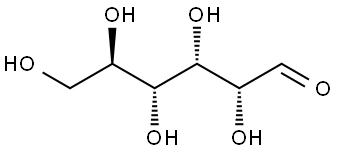
Dextrose, also known as D-Glucose or D-(+)-Glucose, is a naturally occurring monosaccharide and an important carbohydrate. Its molecular formula is C6H12O6, and its molecular weight is 180.16 g/mol. The CAS number 50-99-7 specifically identifies anhydrous Dextrose. It is commonly derived from starch through enzymatic or acid hydrolysis, followed by purification and crystallization.
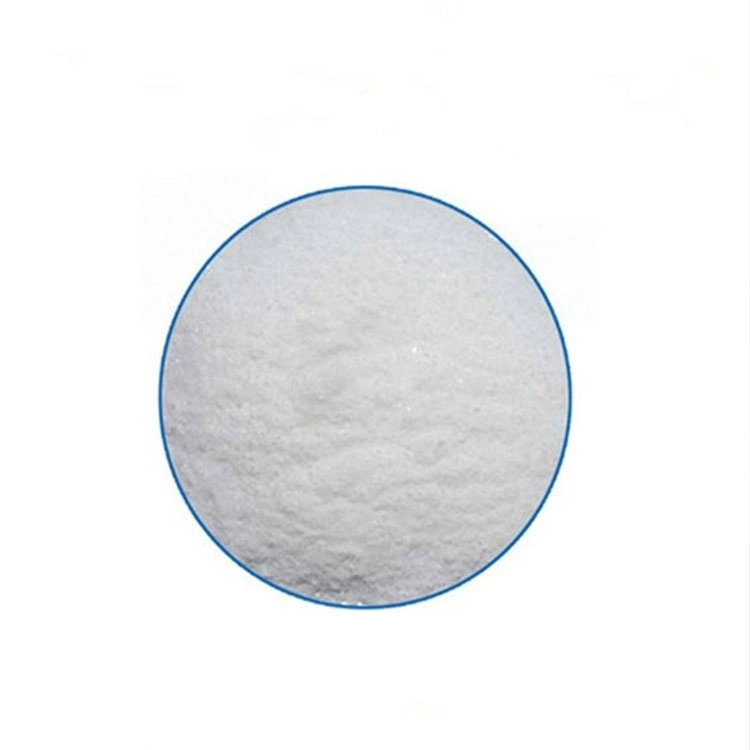
Anhydrous Dextrose is generally supplied as a white crystalline powder or granules with a mildly sweet taste and no significant odor. It dissolves readily in water and is slightly soluble in alcohol. As a simple sugar, it provides a readily available carbohydrate source and participates in various biological and industrial processes. Its functional properties make it suitable for food manufacturing, beverage production, pharmaceutical formulations, and fermentation processes.
In the food industry, Dextrose is used as a sweetening ingredient, bulking component, and fermentation substrate. It is also used in nutritional formulations, laboratory culture media, and selected pharmaceutical preparations. Different grades, including food grade, pharmaceutical grade, and reagent grade, are available according to application requirements. Product specifications should be confirmed through the supplier's technical data sheet and Certificate of Analysis (COA).
Dextrose Chemical Properties
| Melting point | 150-152 °C(lit.) |
| alpha | 52.75 º (c=10, H2O, NH4OH 25 ºC) |
| Boiling point | 232.96°C (rough estimate) |
| density | 1.5440 |
| bulk density | 630kg/m3 |
| refractive index | 53 ° (C=10, H2O) |
| storage temp. | room temp |
| solubility | H2O: 1 M at 20 °C, clear, colorless |
| pka | pKa 12.43(H2O,t = 18,)(Approximate) |
| form | Crystalline Powder |
| color | White |
| PH | 5.0-7.0 (25℃, 1M in H2O) |
| Odor | Odorless |
| PH Range | 5.9 |
| biological source | wheat |
| Optical Rotation | [α]25/D +52.5 to +53.0°(lit.) |
| Water Solubility | Soluble |
| λmax | λ: 260 nm Amax: 0.03 λ: 280 nm Amax: 0.02 |
| Merck | 14,4459 |
| BRN | 1281608 |
| Henry's Law Constant | 7.8×10⁸ mol/(m3Pa) at 25℃, Qin et al. (2021) |
| Stability: | Stable. Substances to be avoided include strong oxidizing agents. Combustible. |
| Cosmetics Ingredients Functions | HUMECTANT |
| InChI | 1S/C6H12O6/c7-1-2-3(8)4(9)5(10)6(11)12-2/h2-11H,1H2/t2-,3-,4+,5-,6+/m1/s1 |
| InChIKey | WQZGKKKJIJFFOK-DVKNGEFBSA-N |
| SMILES | OC[C@H]1O[C@H](O)[C@H](O)[C@@H](O)[C@@H]1O |
| LogP | -2.490 (est) |
| CAS DataBase Reference | 50-99-7(CAS DataBase Reference) |
| NIST Chemistry Reference | Glucose(50-99-7) |
| EPA Substance Registry System | Dextrose (50-99-7) |
Safety and Storage
Dextrose is generally considered a low-hazard carbohydrate when handled under normal industrial and laboratory conditions. However, appropriate hygiene and handling practices should still be followed, particularly when working with large quantities of powdered material. Dust generated during weighing, transferring, or mixing may cause temporary mechanical irritation to the eyes and respiratory tract. Avoid unnecessary dust formation and use adequate ventilation during bulk handling.
Personnel should wear suitable protective equipment, including safety glasses, gloves, and appropriate respiratory protection when dust exposure may occur. Wash hands after handling and avoid contamination of food-processing materials with non-food-grade products. Although Dextrose is widely used in food and pharmaceutical manufacturing, the safety and suitability of each product depend on its grade, purity, and intended application.
Store Dextrose in tightly sealed, moisture-resistant packaging in a cool, dry, and well-ventilated environment. Protect the product from excessive humidity, direct sunlight, and contamination. Because powdered carbohydrates can absorb moisture, prolonged exposure to humid conditions may cause caking and affect product flowability. Fine organic powder can also create combustible dust hazards when dispersed in air at sufficient concentrations. Avoid dust accumulation and keep the material away from ignition sources. Always follow the latest supplier-specific Safety Data Sheet (SDS), storage recommendations, and applicable handling regulations.


